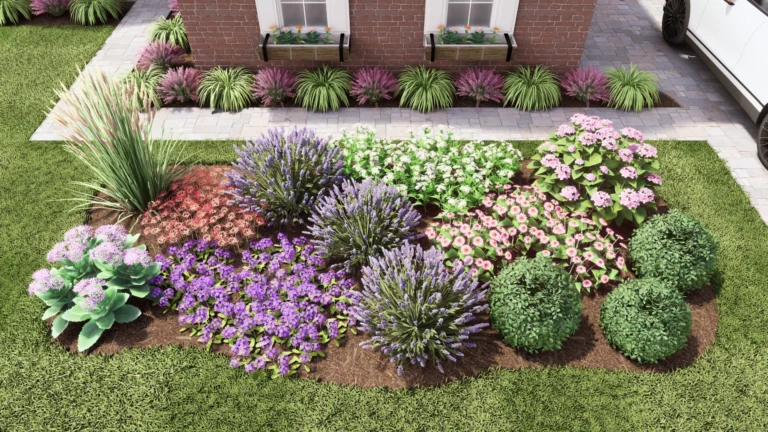
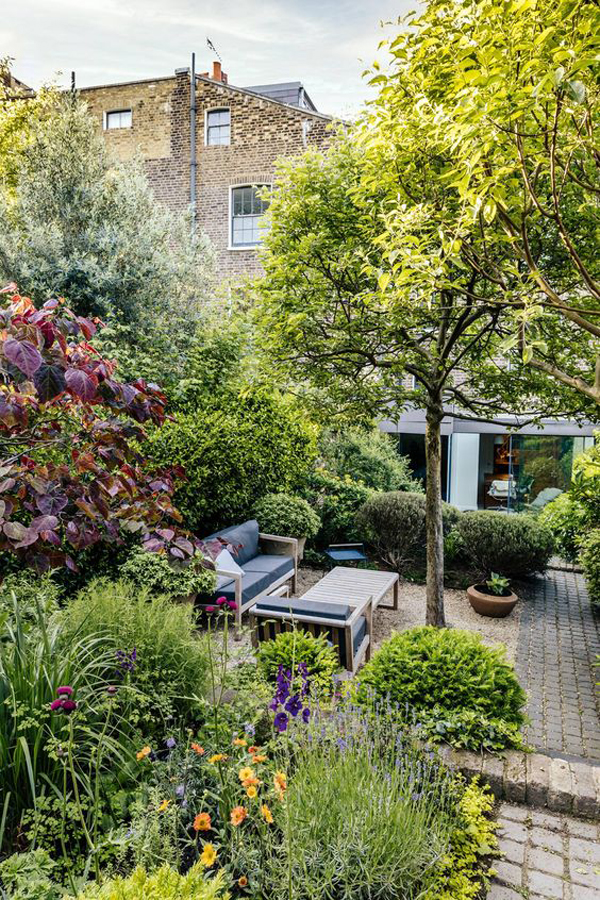
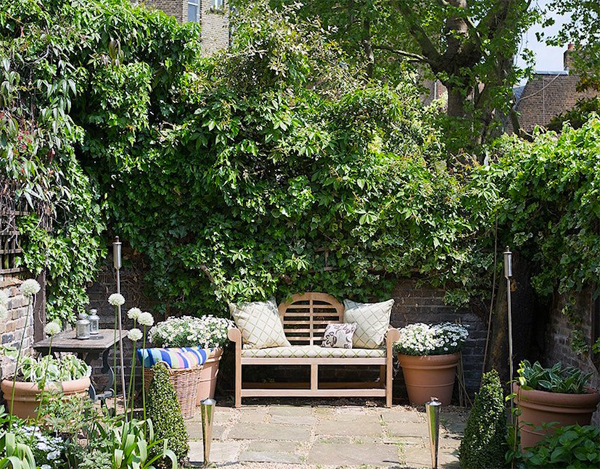
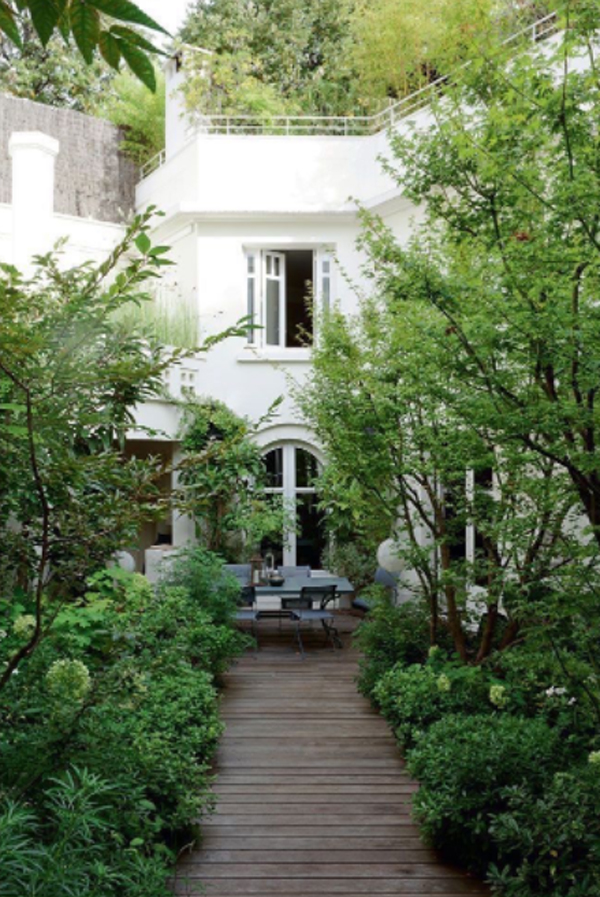
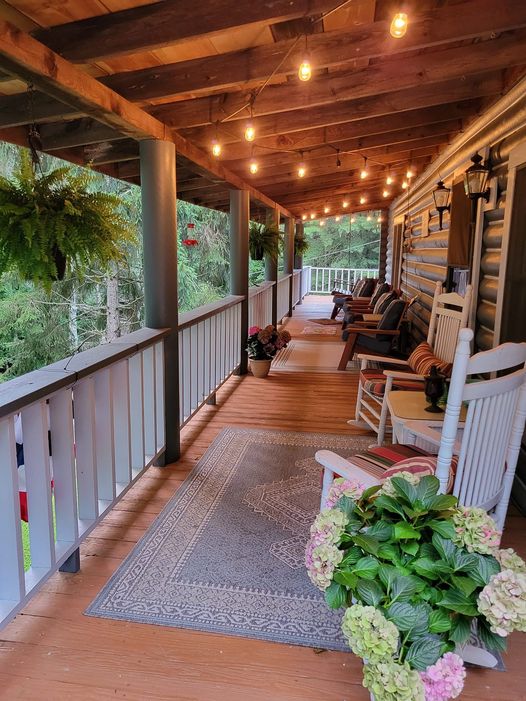
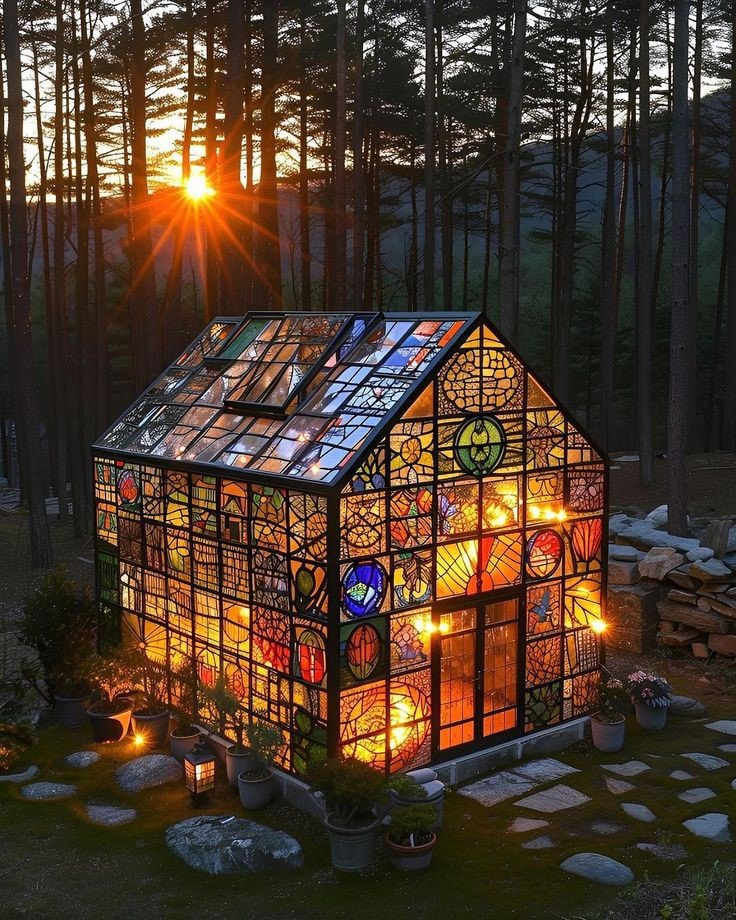
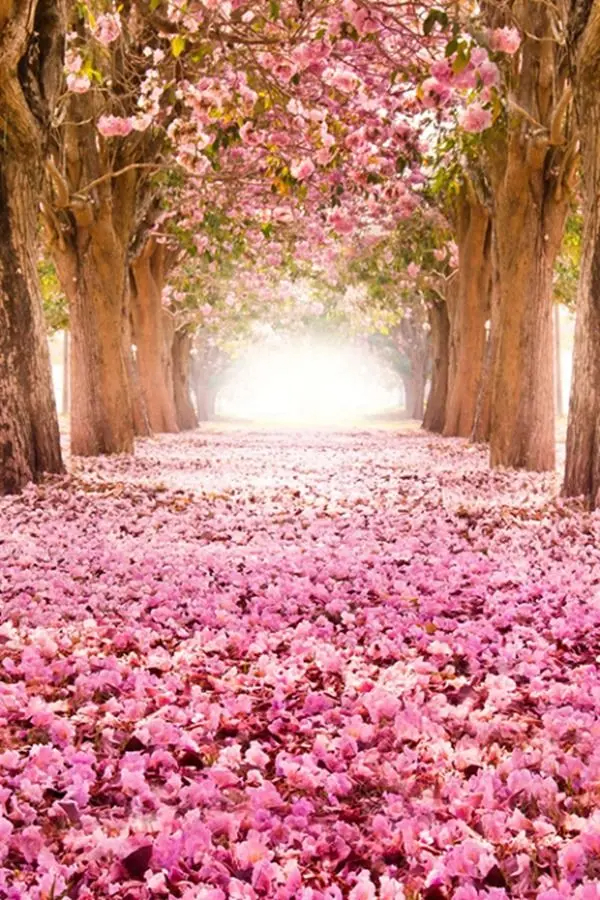
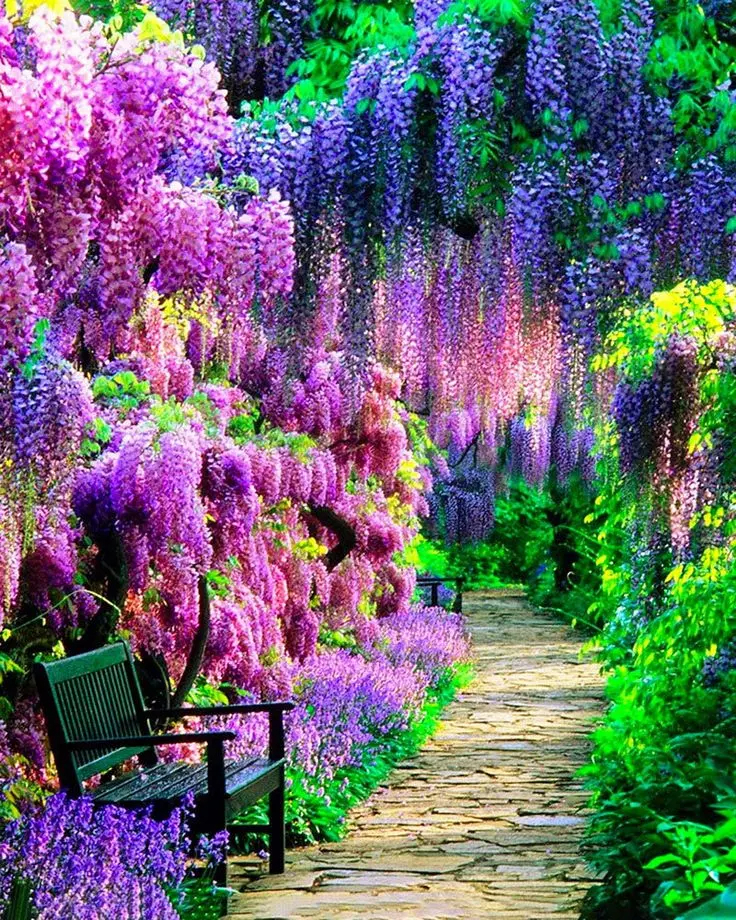
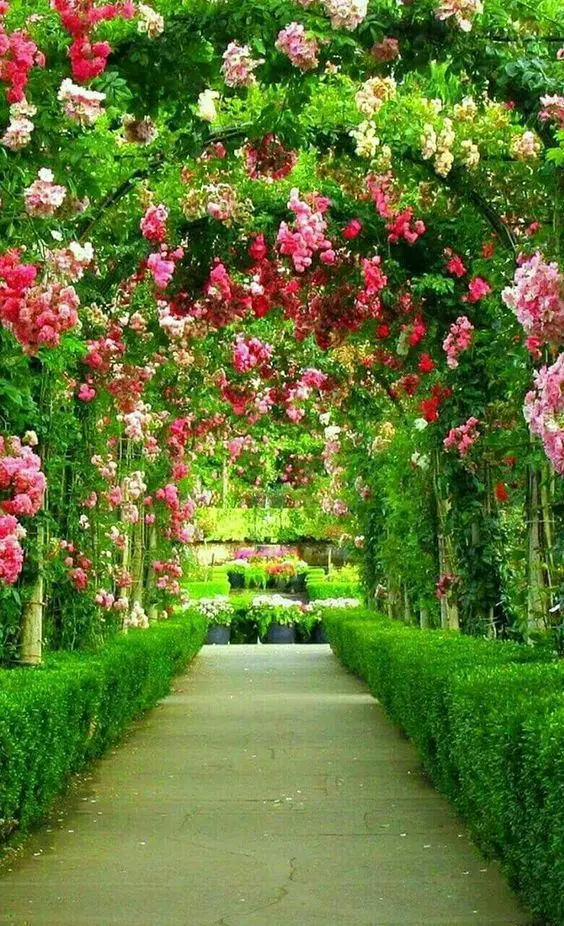
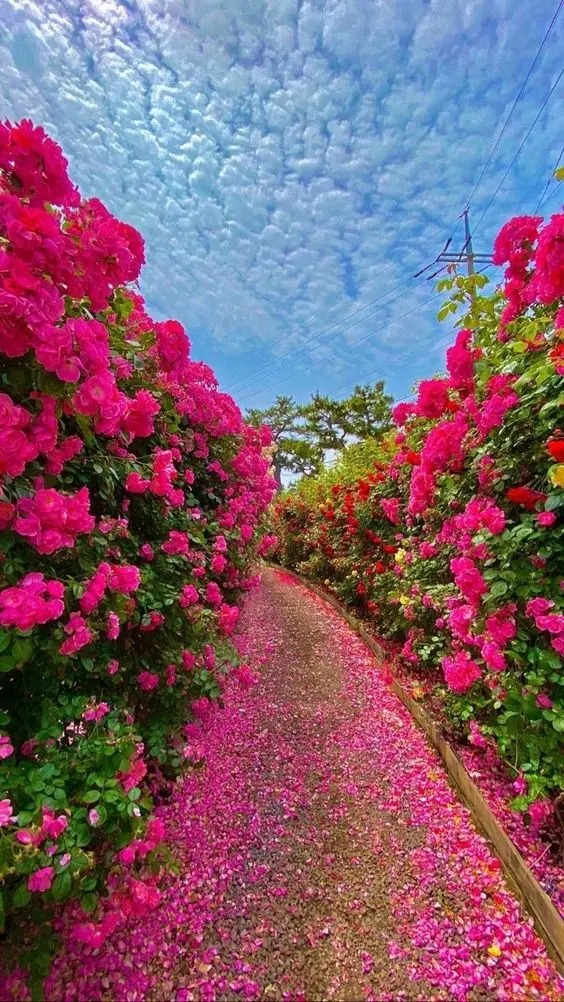
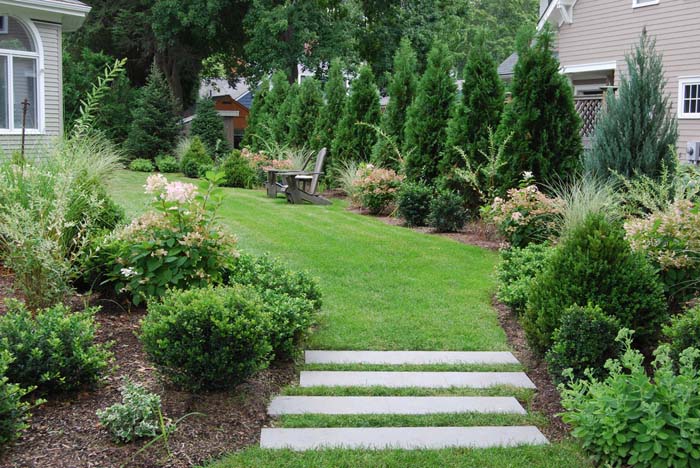
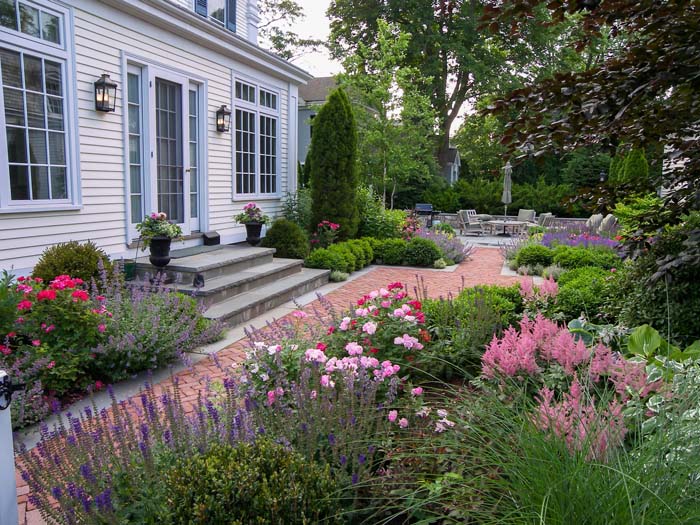
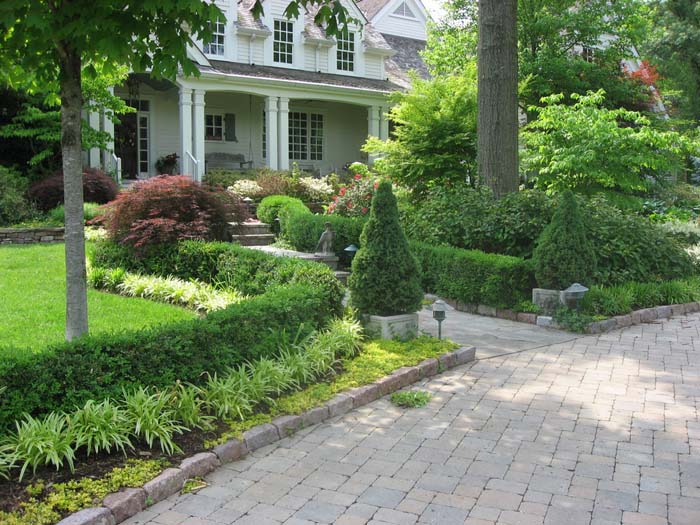
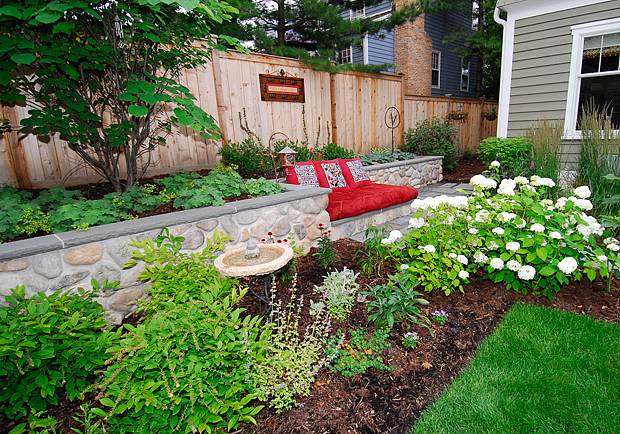
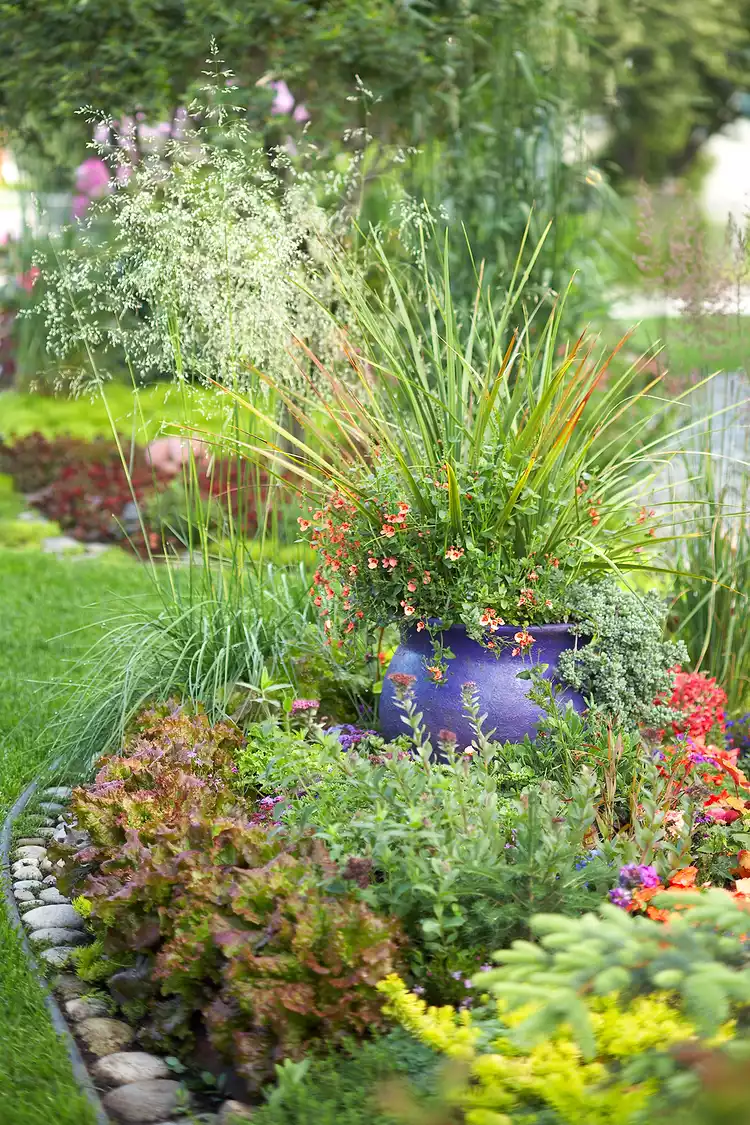
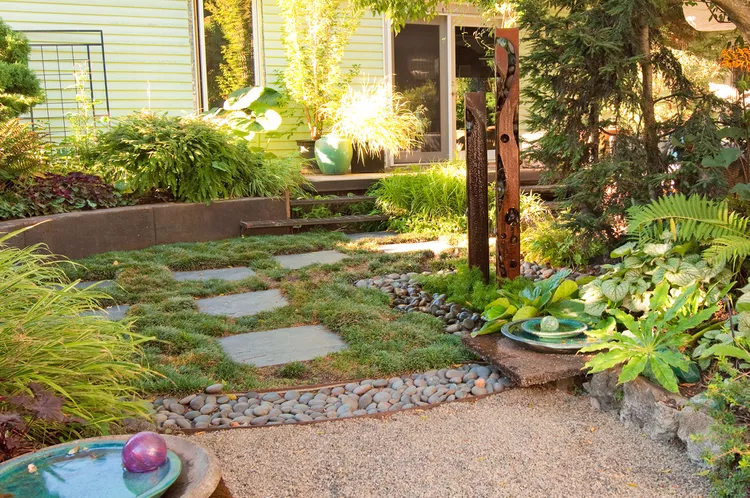
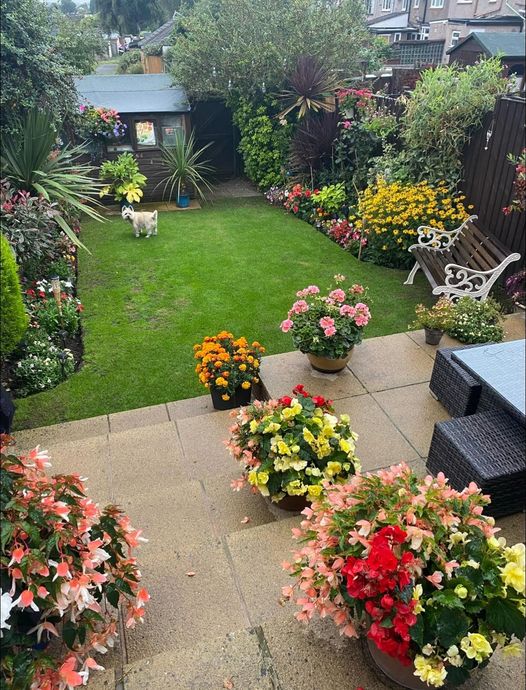
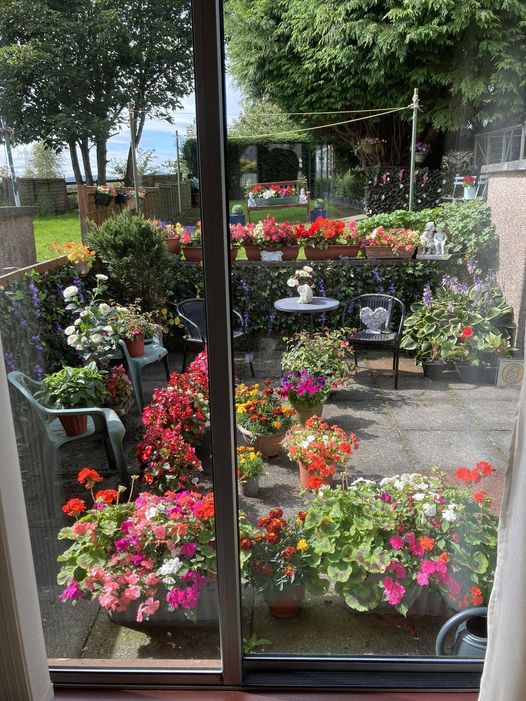
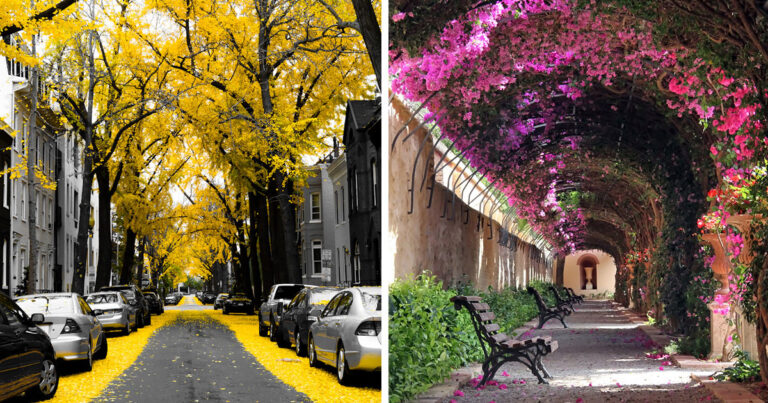
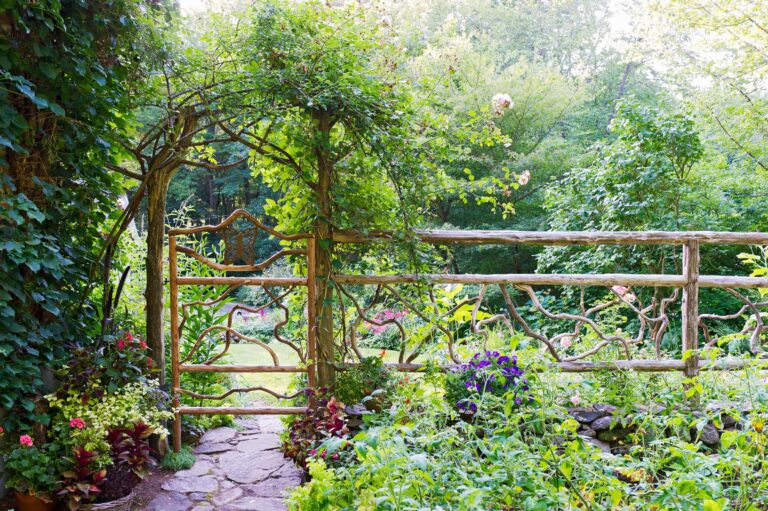
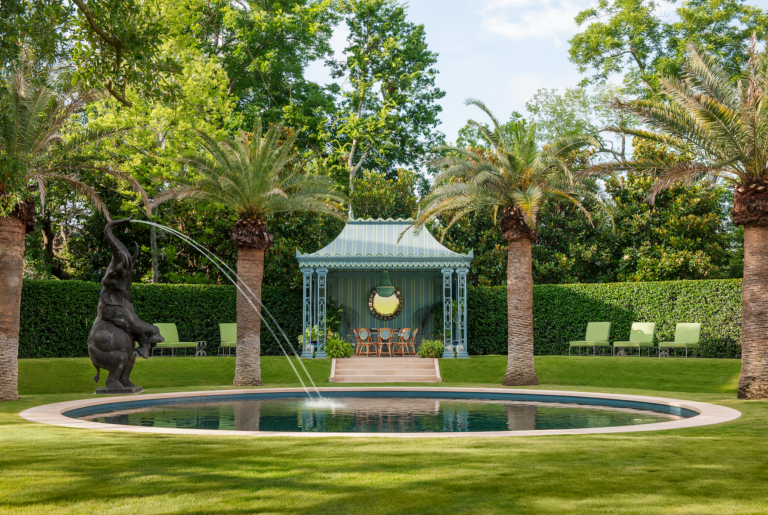
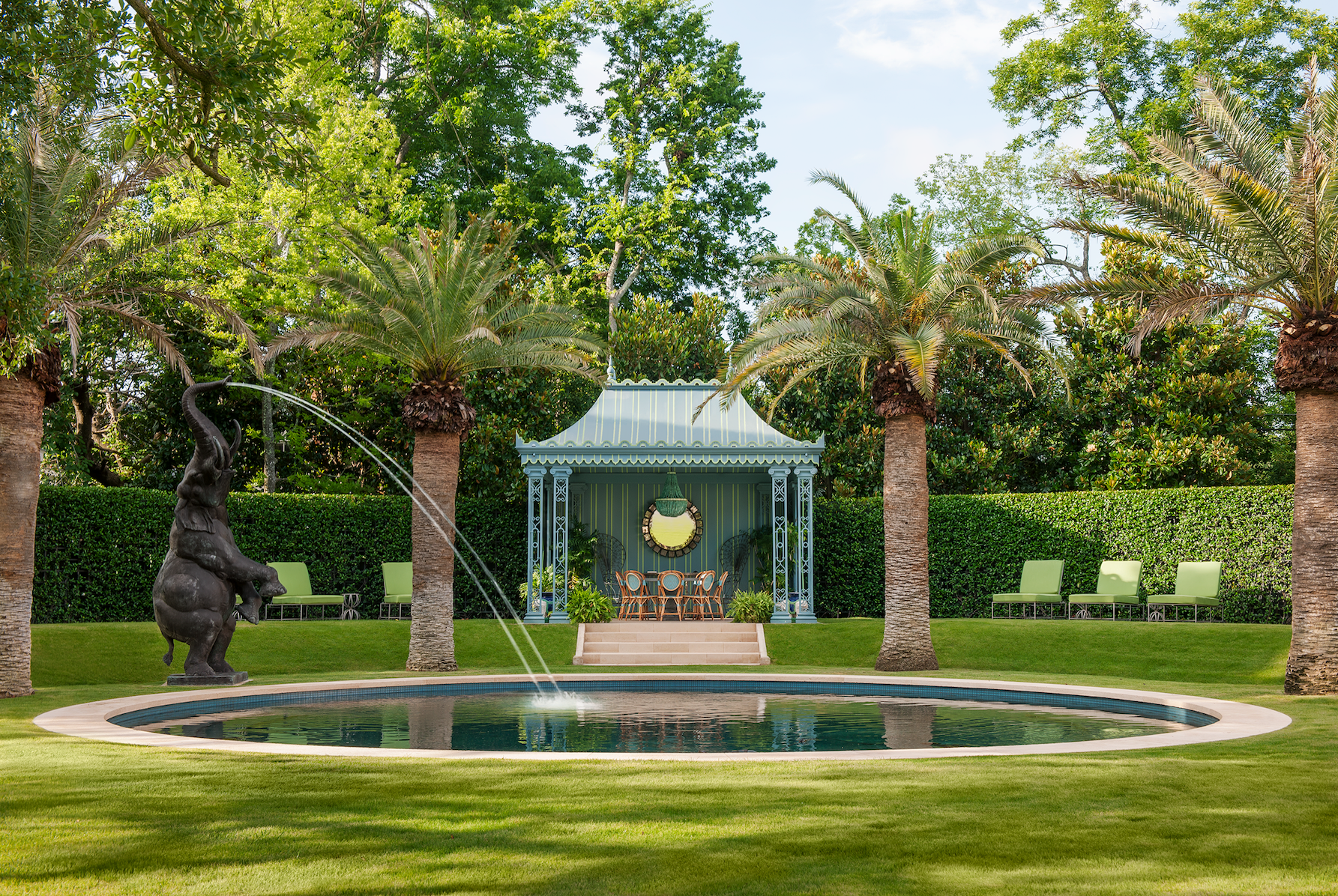
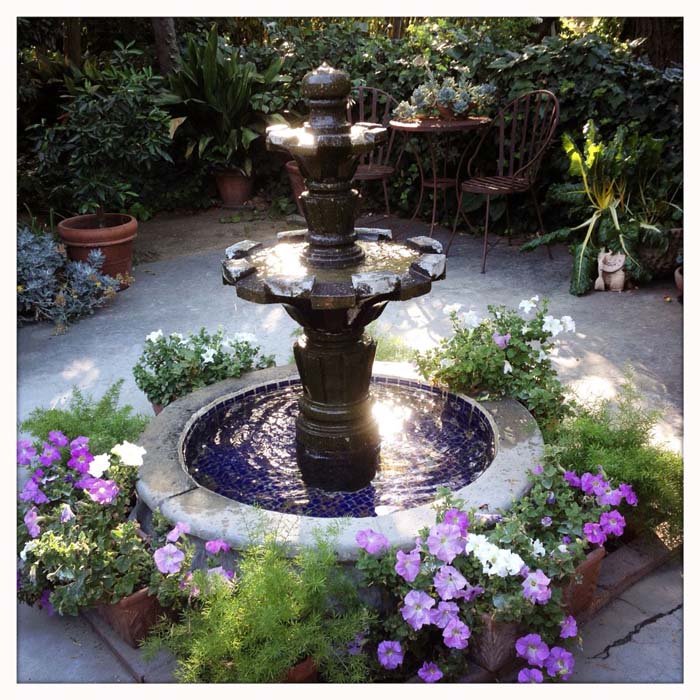
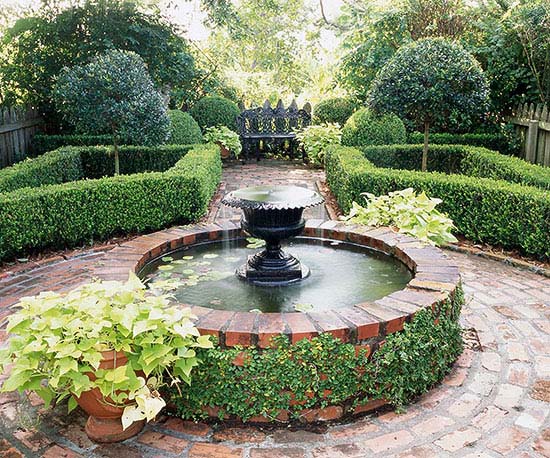
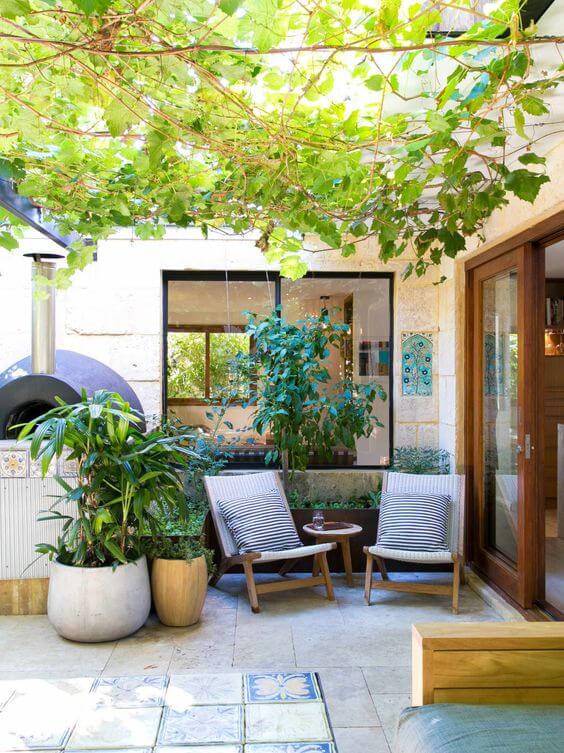
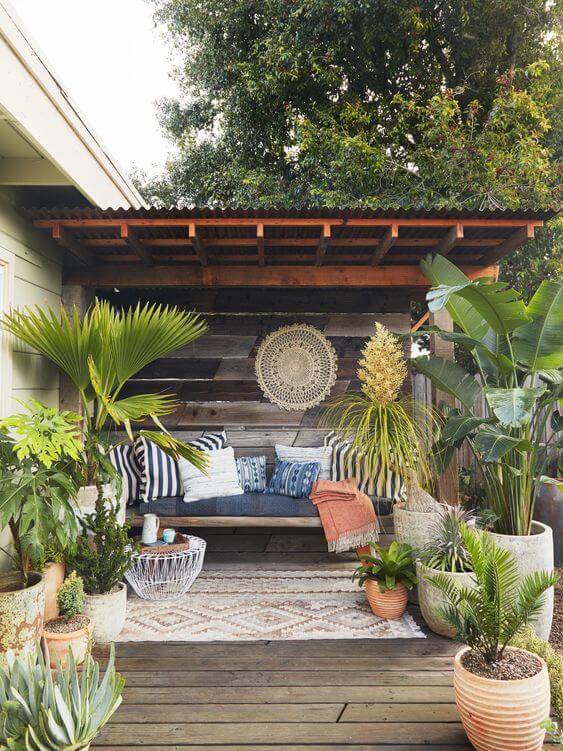
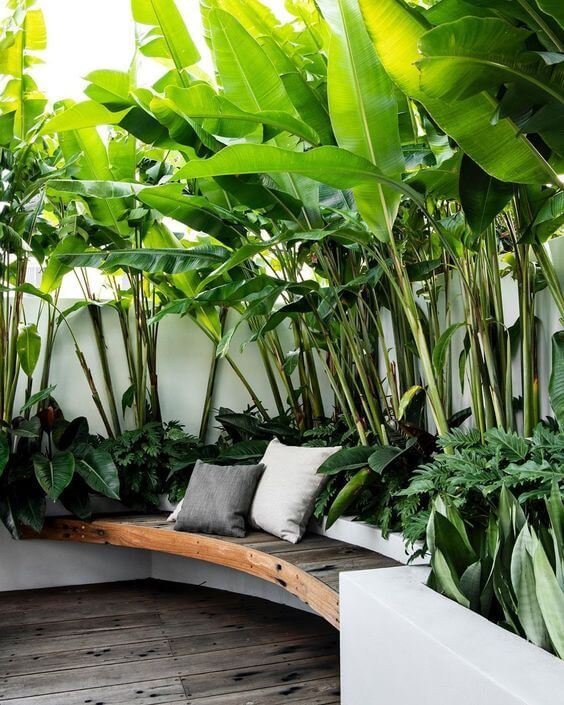
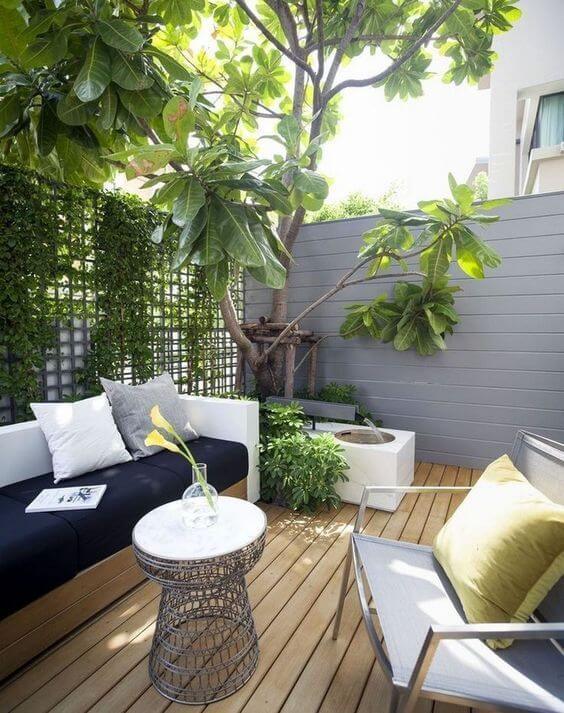
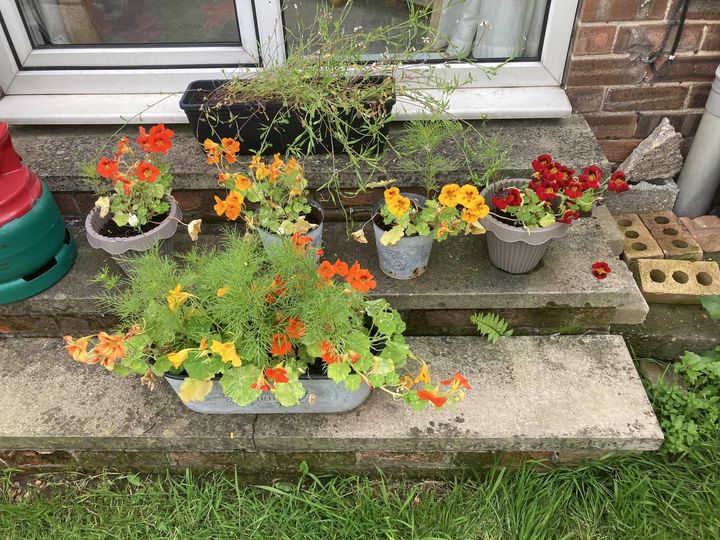
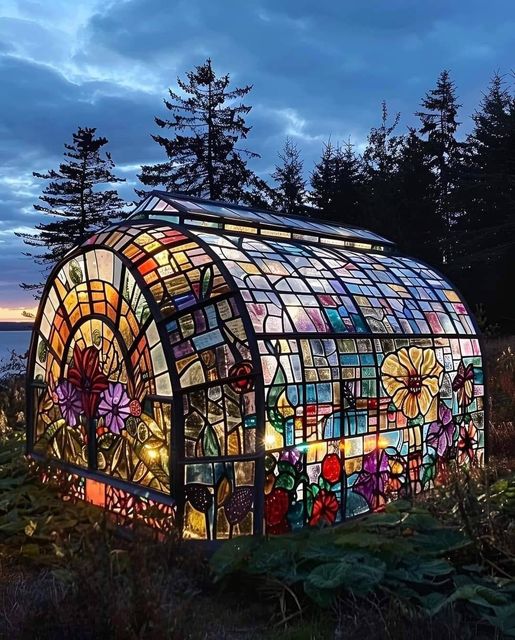
Gardens become the only thing that is most coveted when you live in urban areas. If you are lucky, you can have a urban garden in the backyard. Of course, no matter how small the garden you have will feel fun if you are diligent in taking care of it. Today I want to change your mindset about how a limited area can become a beautiful green paradise in the middle of an urban area. These are urban garden ideas with so many surprises, you won’t expect how small rooftops and balconies can turn into an amazing urban jungle.There are many ways in which gardens can be classified, but none I fell in love with more than urban garden design. Some are on the roof with alluring green thumbs, some are in the little yard, some are on the balcony, and even unexpected areas. While it may not look like a city park at first glance, you’ll see it soon enough. One thing is for sure, wherever you plan to build a urban garden, this collection of inspiration will make it difficult for you to choose which urban garden idea is the best. So make sure you choose carefully!
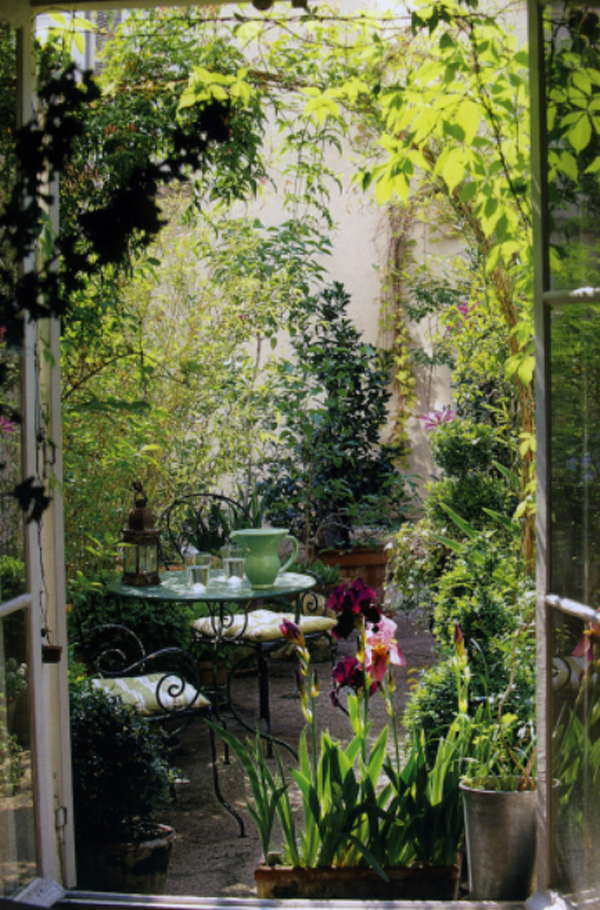
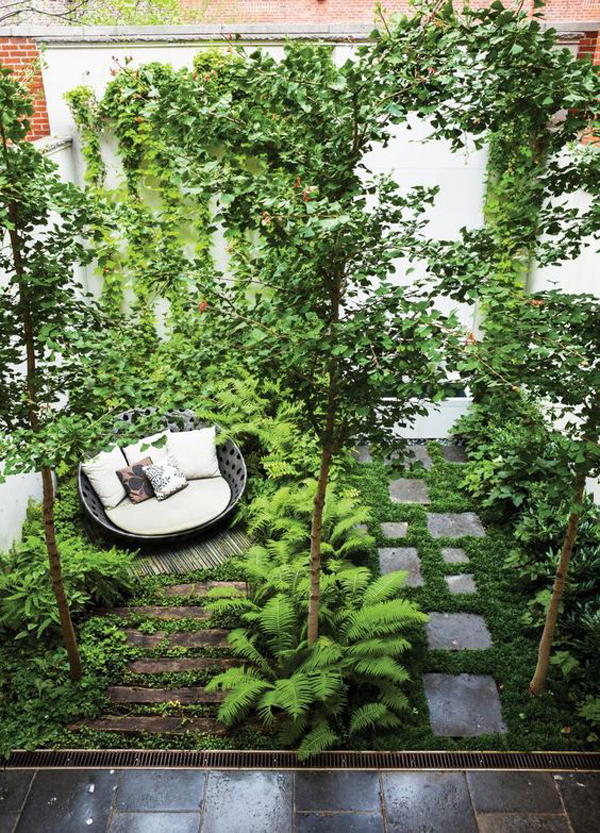
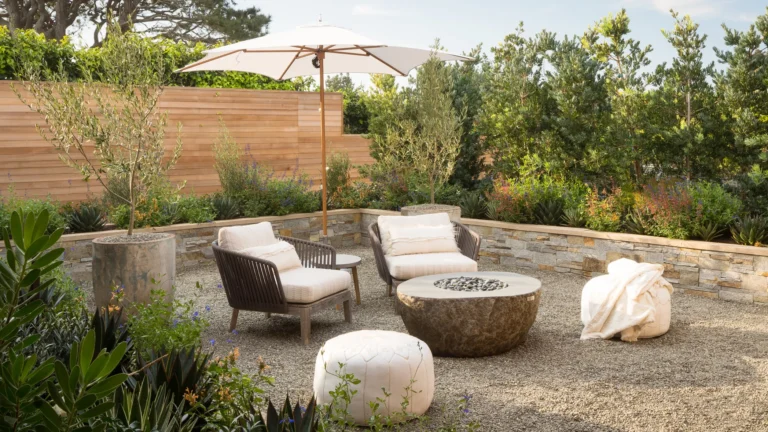
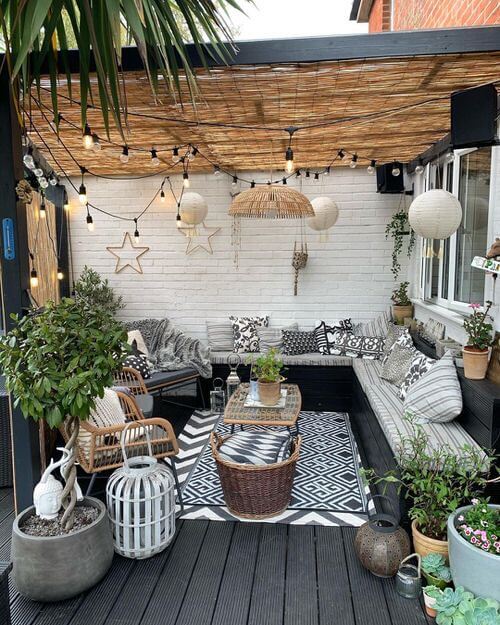
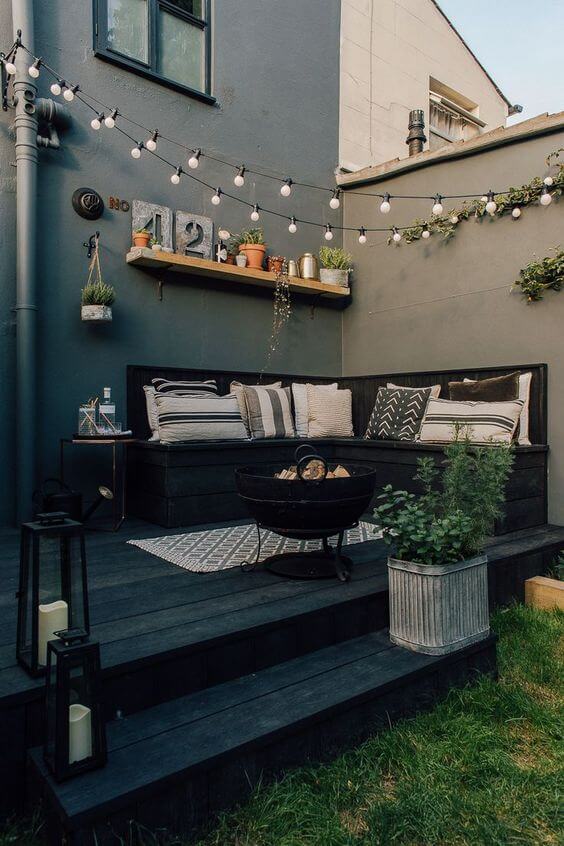
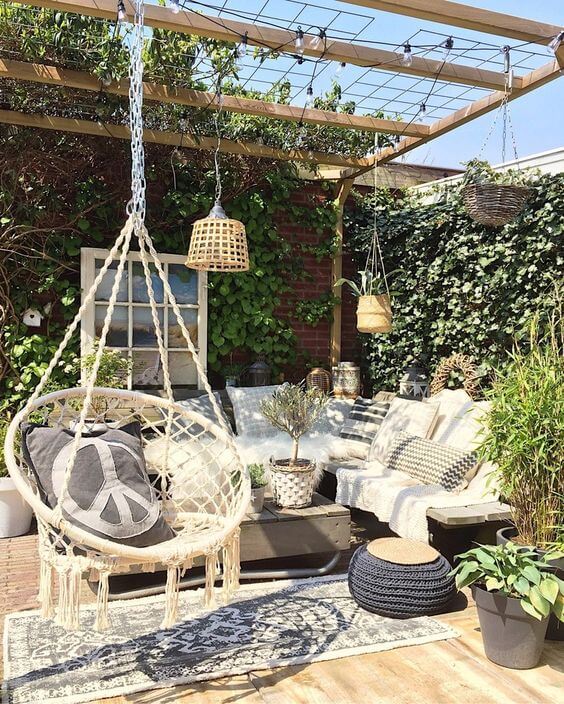
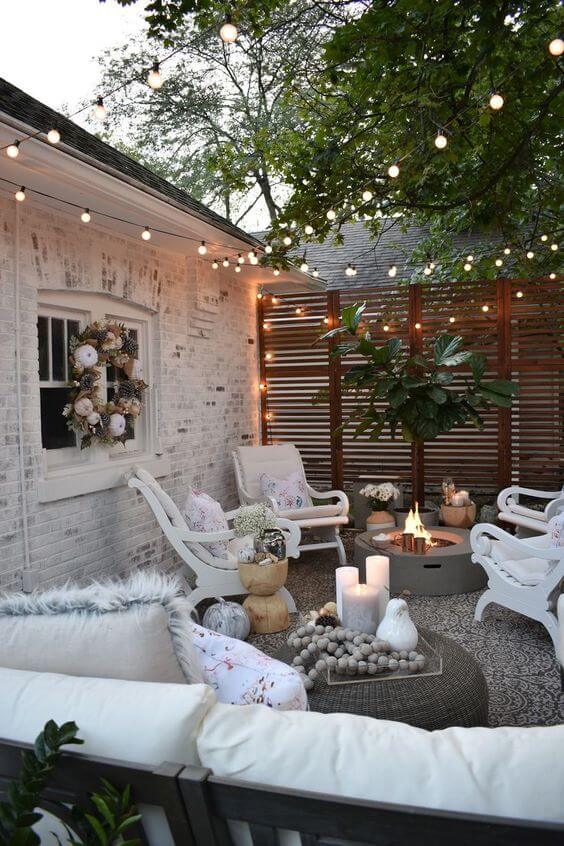
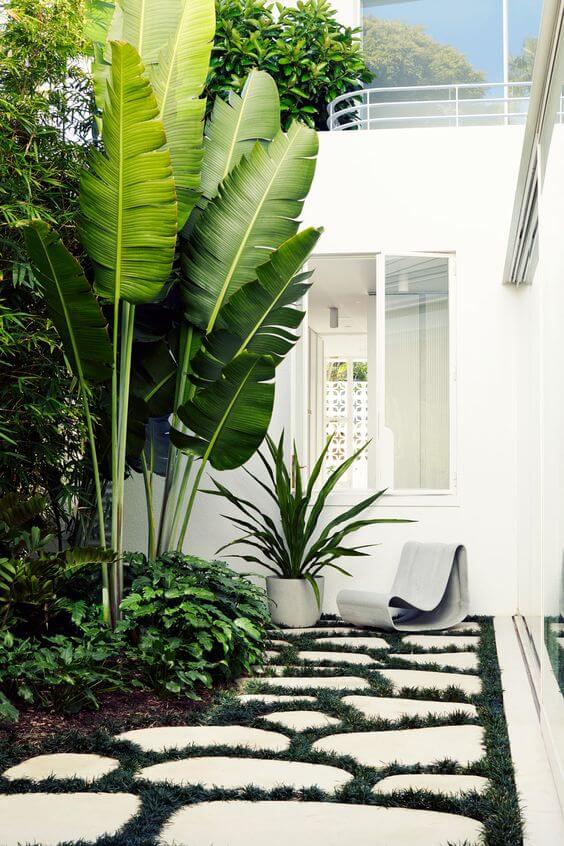
1. If you have a small area in the backyard, you can use it as a garden as well as a living room with a beautiful outdoor atmosphere.
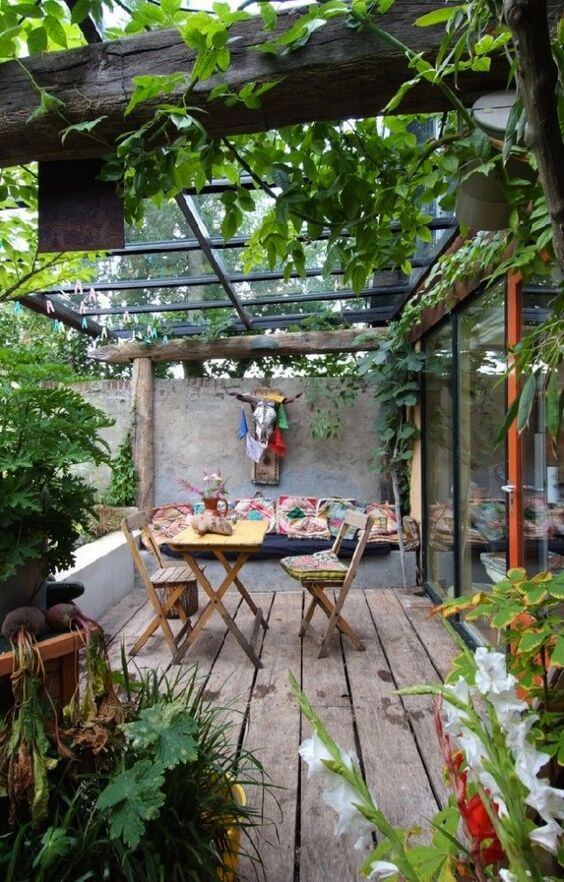
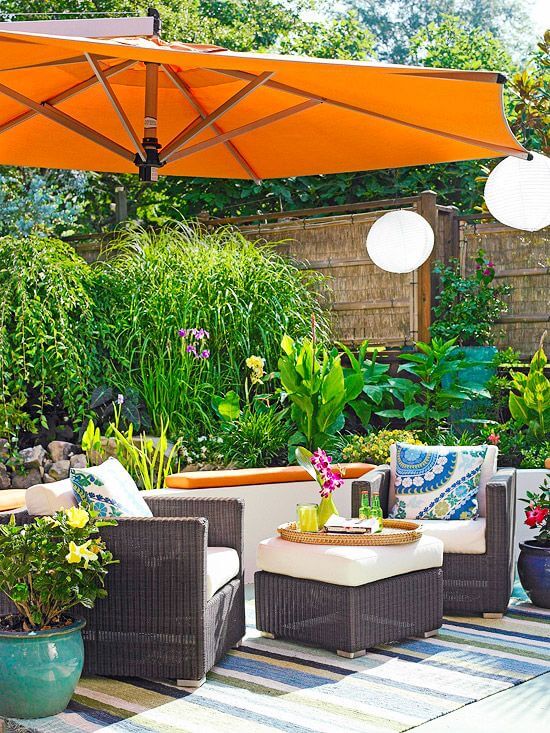
2. A small garden can feel cozy by adding a holiday touch. Put a lounge chair outside, and some beach vibes for relaxation.
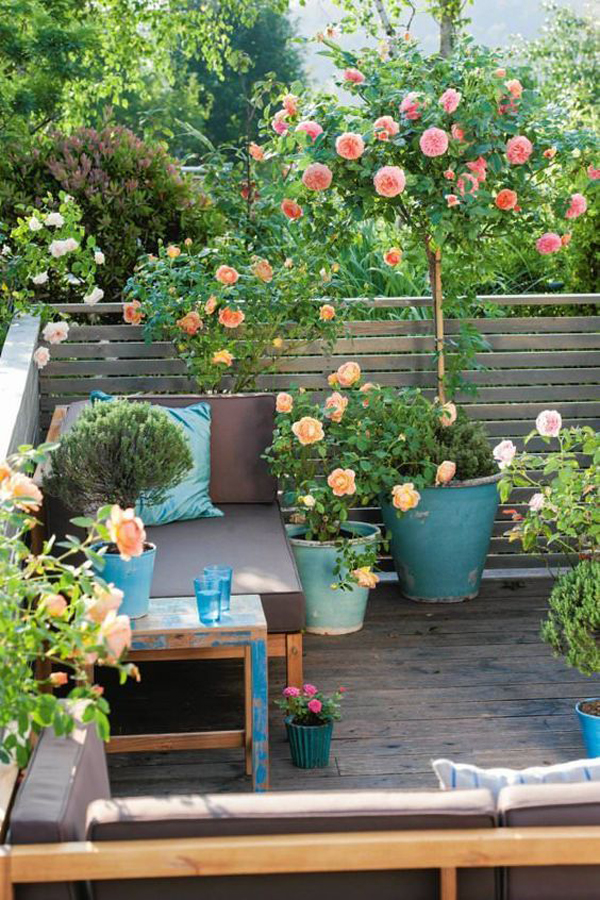
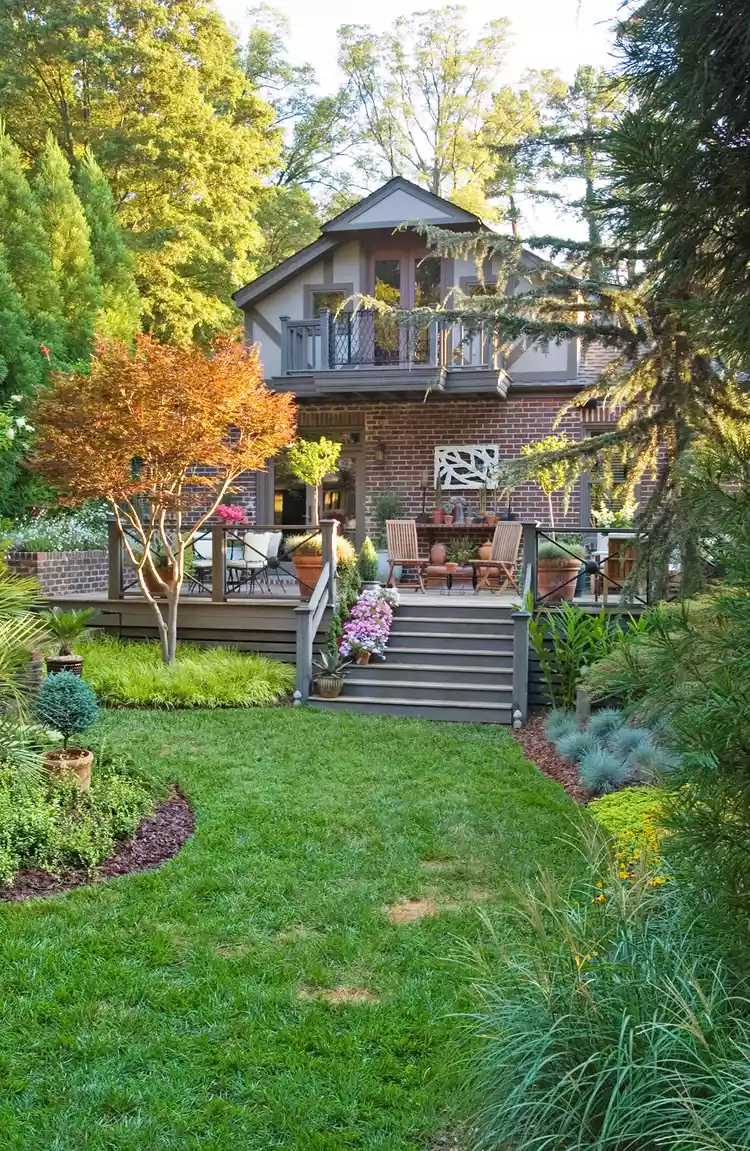
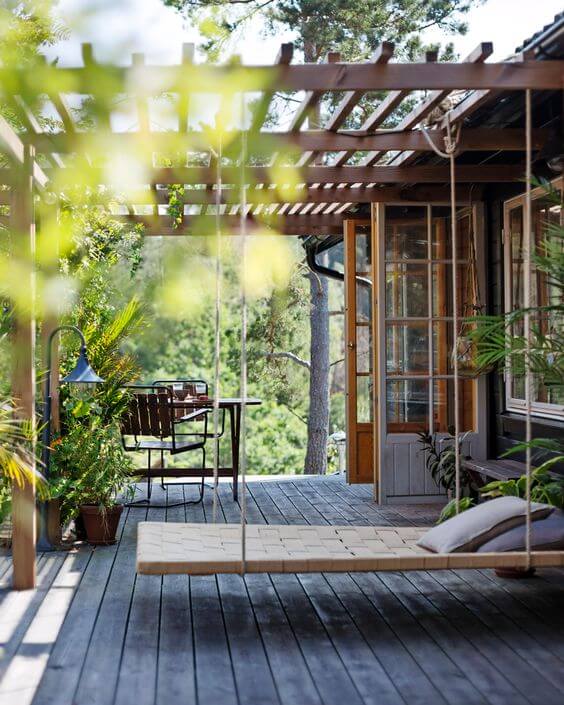
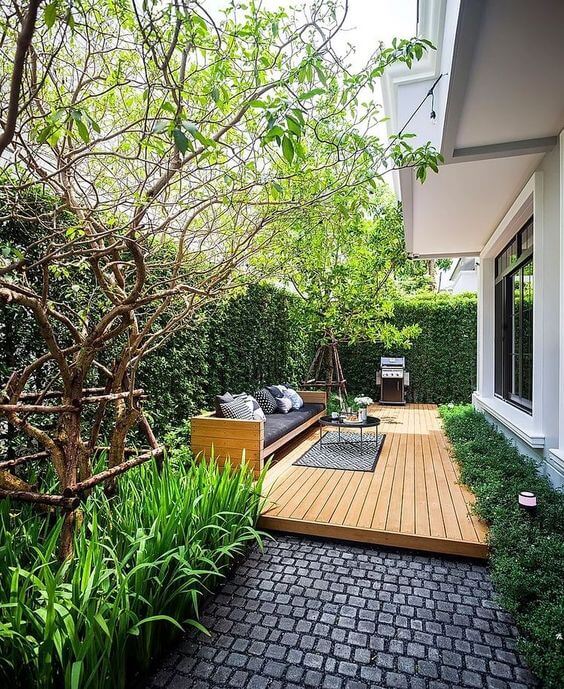
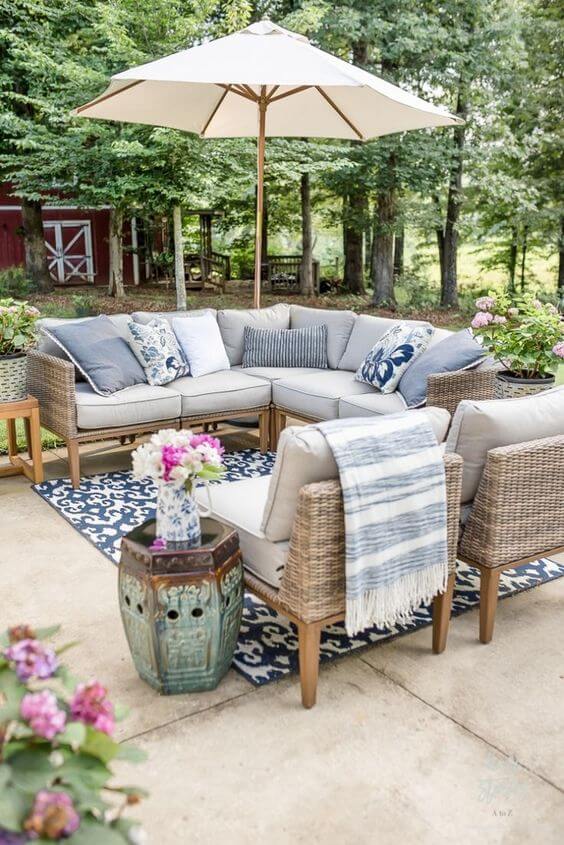
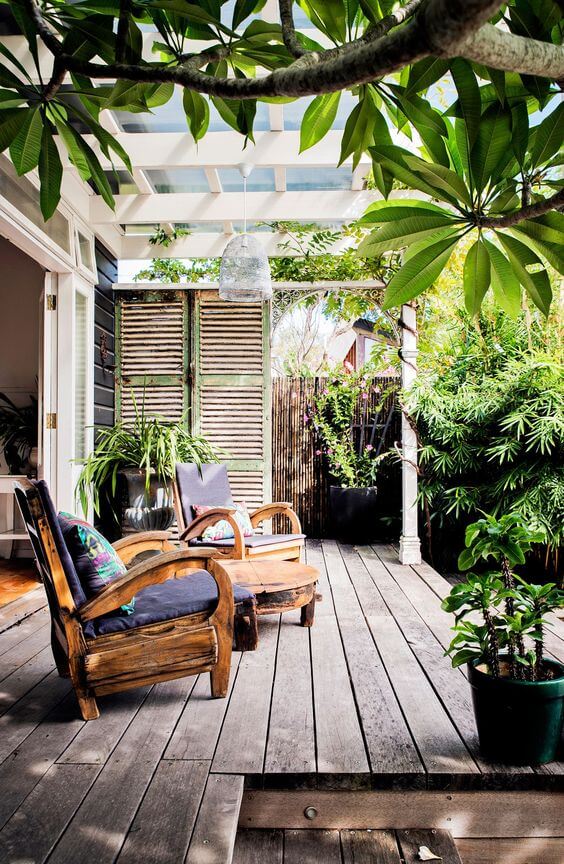
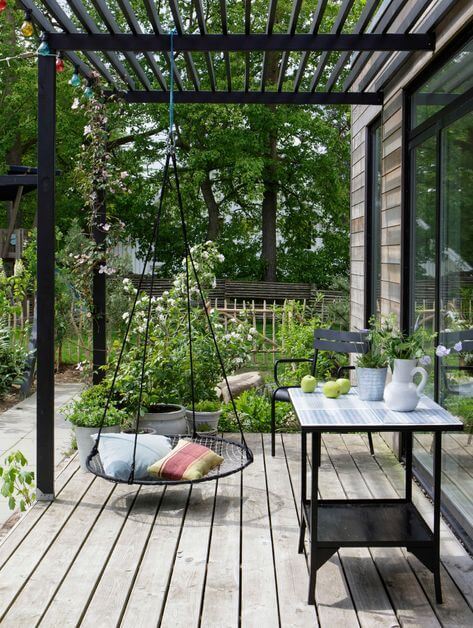
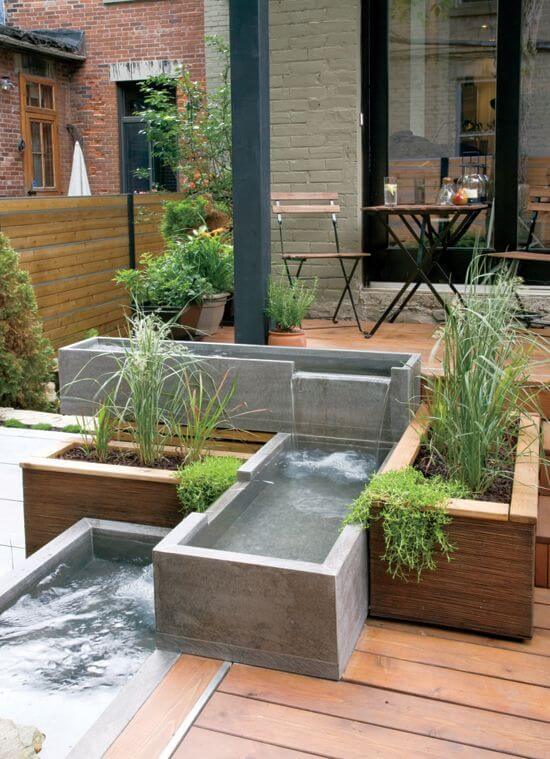
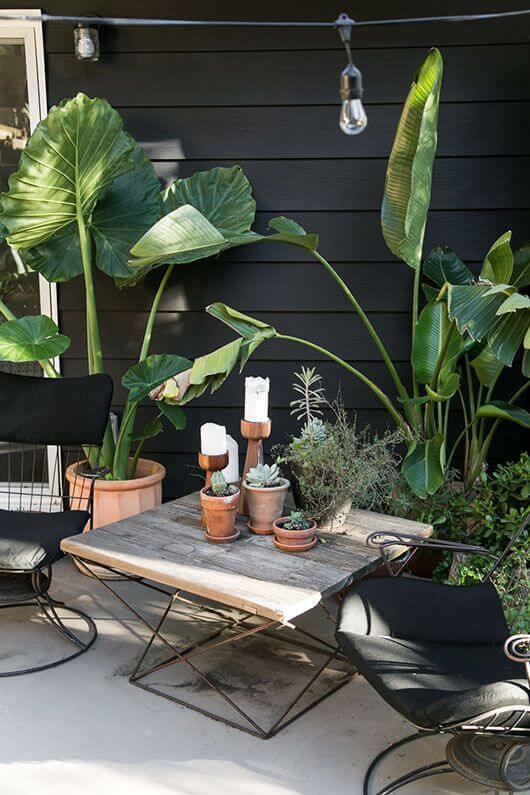
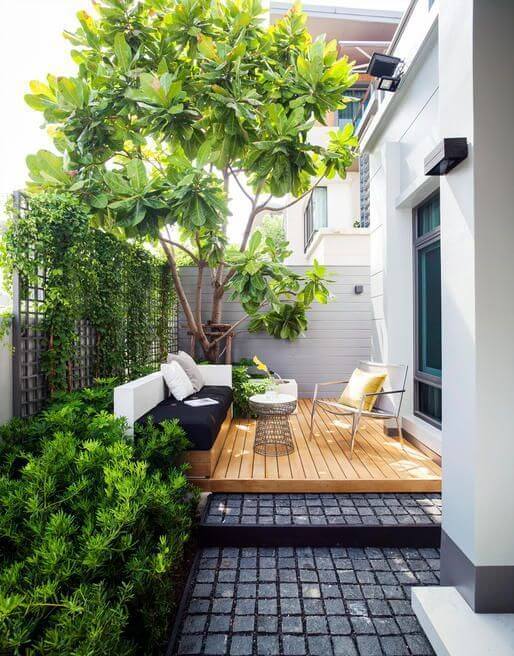
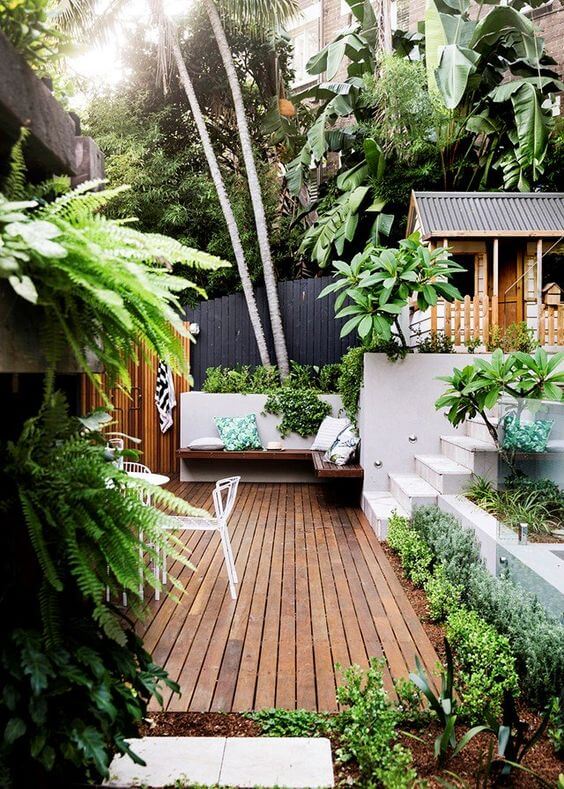
3. Use the deck as part of your urban garden. Lush plants, outdoor furniture, and wooden floors will give your garden a natural feel.
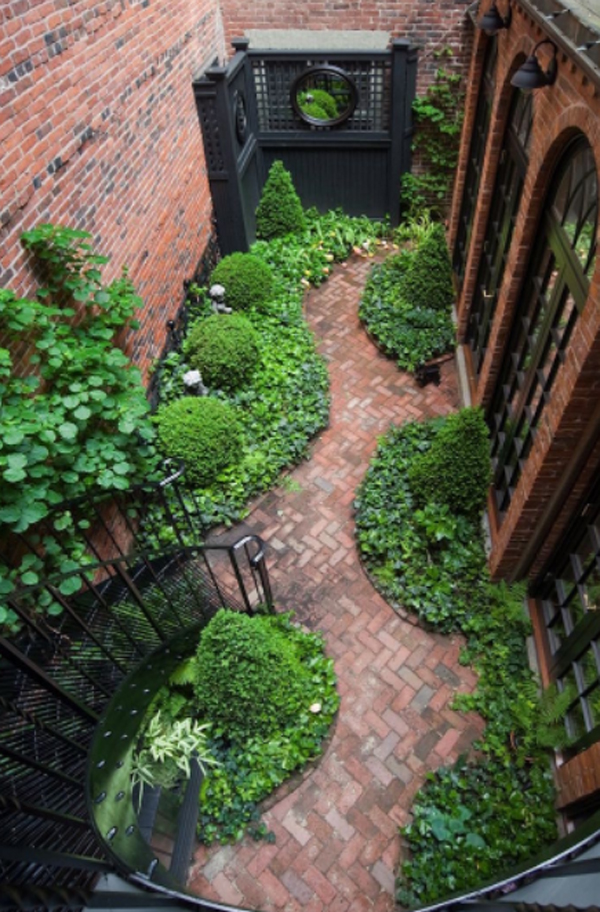
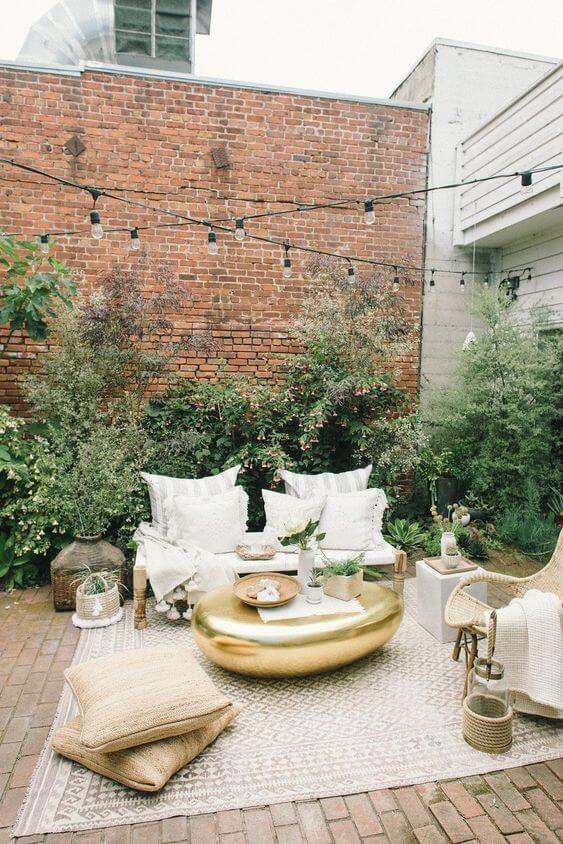
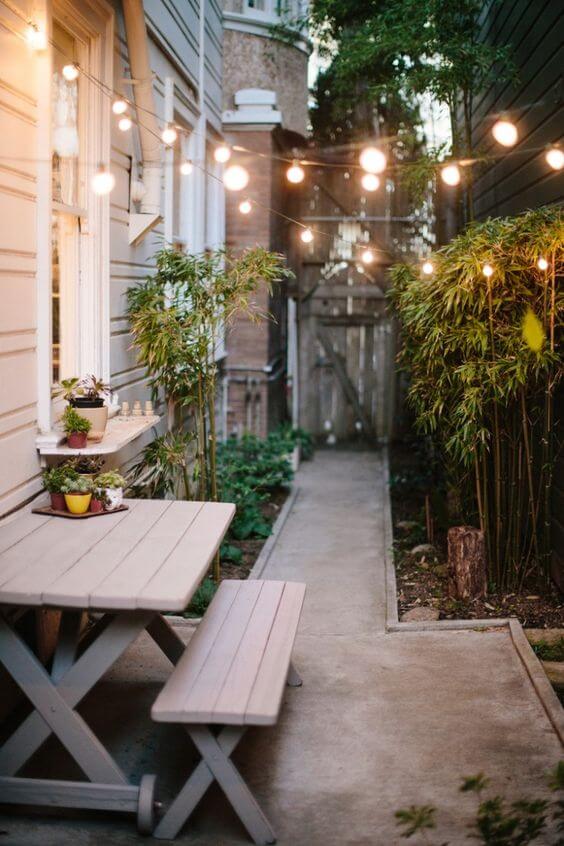
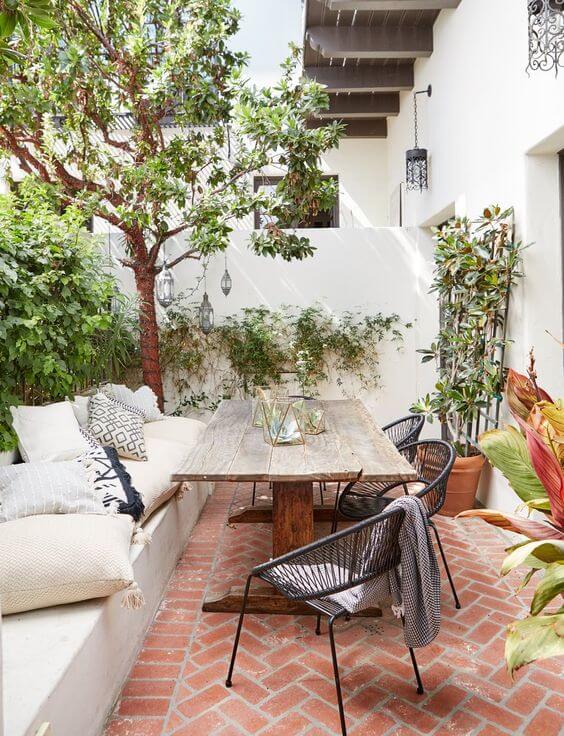
4. Have a small area on the side of the house? You can create a urban garden in this area with great settings. In addition to adding a green landscape, use brick as a hallmark both on the walls and on the floor.
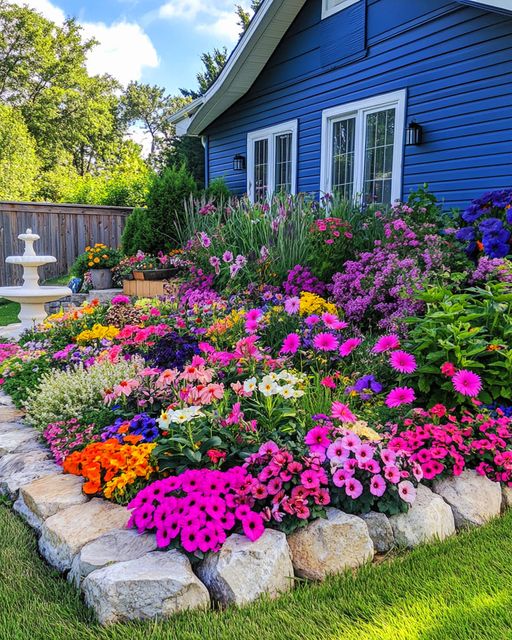
5. Balcony is the best area to create your dream urban garden. One of them with floral decorations for a romantic vibe.
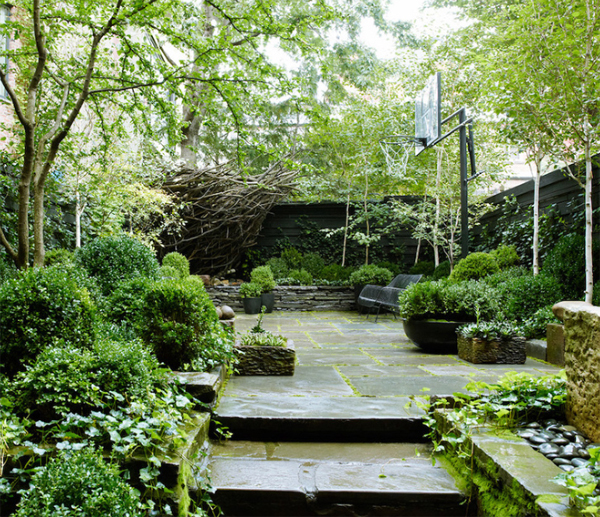
6. A private urban garden is essential if you want to secure your garden area. In addition to installing fences and plants, this garden will become a favorite relaxing area as well as exercising.
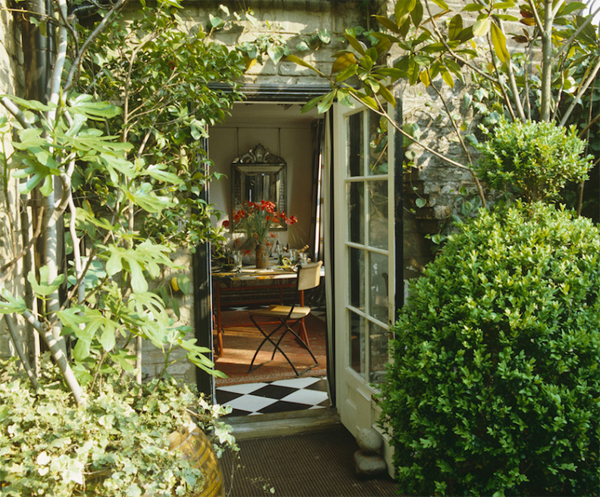
7. This indoor garden will be a refreshing oasis in the middle of the city. Build an indoor city park with an open concept that connects to the outdoors.
8. Relax in urban garden with a good book. Create a dream reading nook on a lawn or rooftop with a stunning little landscape.
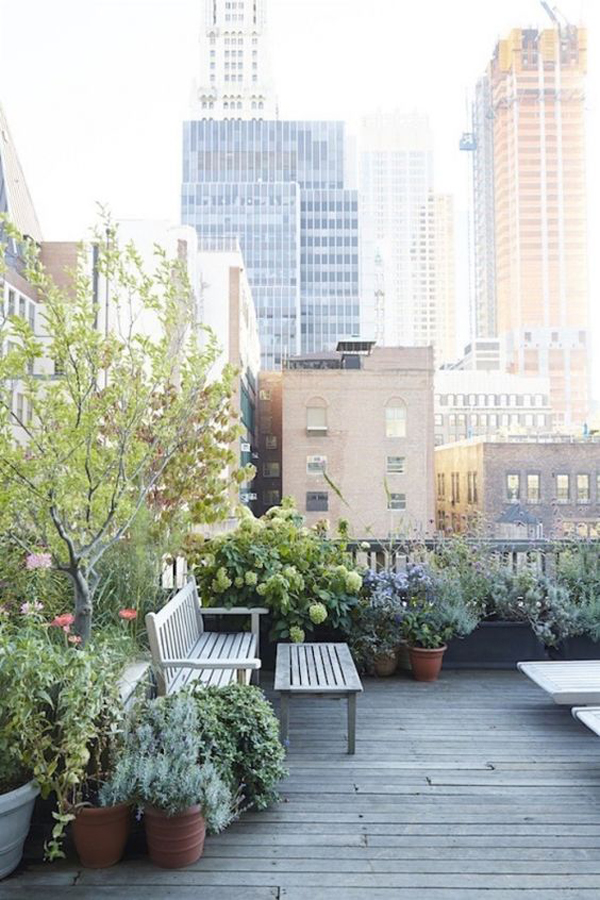
9. Relaxing on the roof while enjoying the city view is the best thing. Put a wooden bench, some plants, and a cup to enjoy the morning.
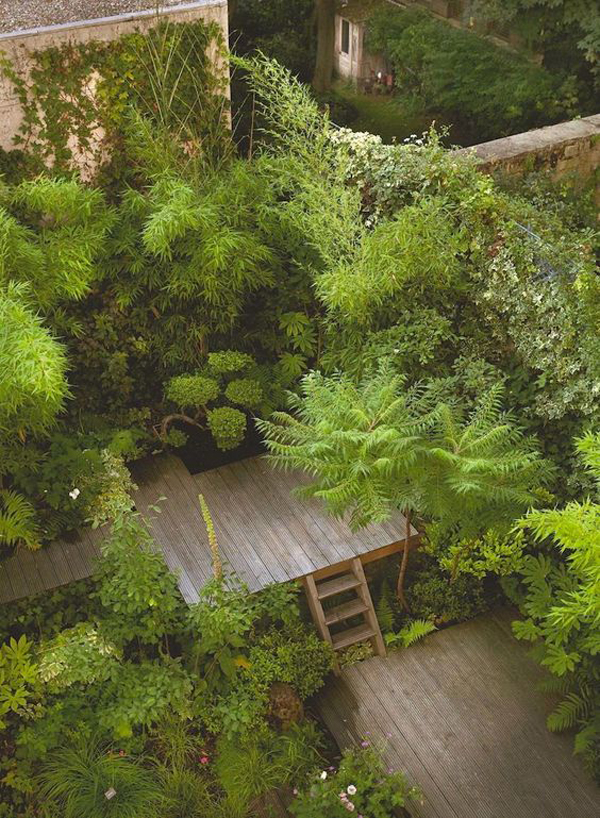
10. Seen from above, this roof garden idea is like a forest in the middle of an urban area. From the rooftop deck to the refreshing lush greenery, this is the dream of everyone living in the city.
11. A small balcony can be transformed into a lush city park with the right arrangement. This balcony can be a beautiful focal point from within the interior.
12. Rooftop gardens usually have a large area that can accommodate many people. From a place to relax to having a party on the roof, a rooftop garden is the best solution for limited space in urban areas.
There is nothing better than sitting close to an outdoor fire pit with family and gazing at the bright flames into cool fall evenings.Even, in the spring and summer, they add interest and class to many backyard designs. Introducing the element of fire to the backyard not just adds warmth, but additionally adds a high-end look to your outside space. If you are finding ideas to upgrade your outdoor space? The article is for you, we’ve collected the 24 Fire Pit Setting Ideas On A Budget to inspire you on your next project in the backyard.
Whether is the winter days or summer days, these fire pit setting ideas are here to make your life better than ever. From a DIY fire pit, an ultra-modern fire pit, or a small portable fire pit, round or square, stone or concrete blocks, no matter what your style this list that you are sure to love. Many of these DIY fire pits are also budget-friendly so anyone can add some warmth to their yard! Keep reading and choose one for your garden!
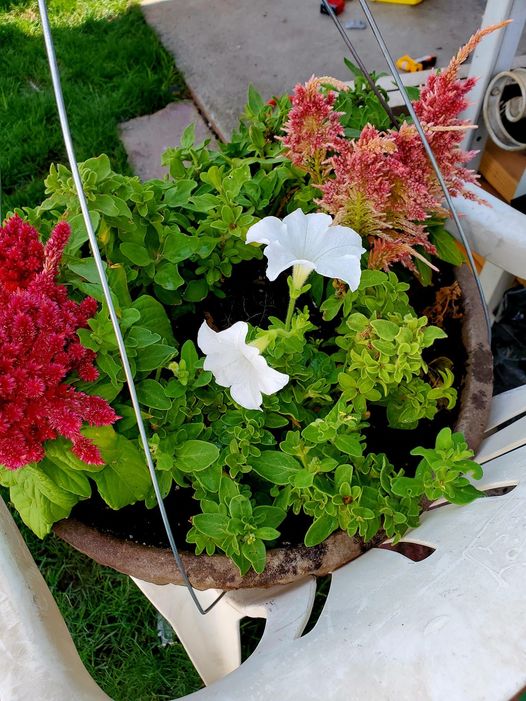
My dad passed away three days ago. I’m convinced my dad isn’t completely gone. Weird things keep happening since he passed. His smell, things around the house move around,my son starts saying hi grandpa to the air, the angelfish laid eggs, and now these two flowers have bloomed. This basket has not produced a single flower since I planted it. The caterpillars have eaten every flower since spring and now all of the sudden there’s two full white flowers.
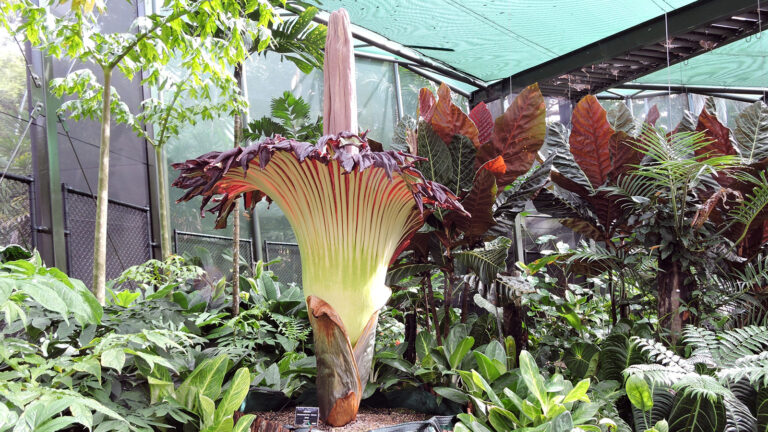
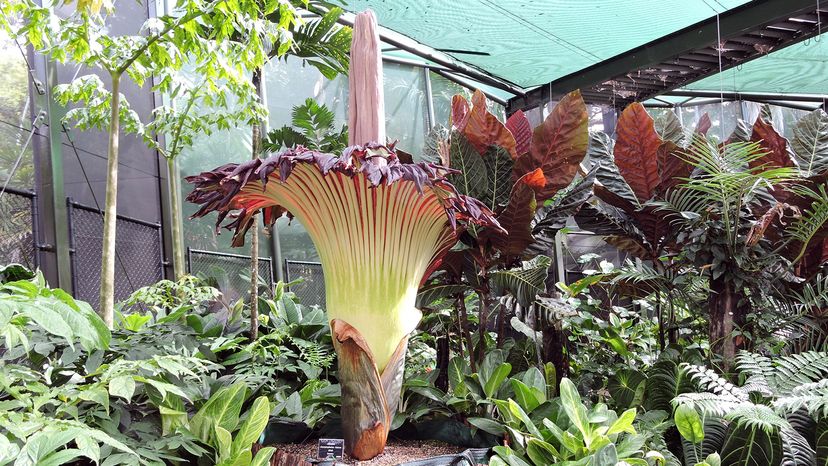
The enormous titan arum (Amorphophallus titanum) gathers crowds around the world, particularly in public gardens in tropical cities. Why, you ask? Because this corpse flower stinks worse than any other. Photography by Mangiwau / Getty Images
We admire rare flowers for the beauty and alluring scents they bring to our personal and public landscapes.
But to the plant, flowers are a deadly serious business; the plant’s survival depends on the appeal of its flower to a distinctly non-human client list. Sensory-stimulating petals and odors have one purpose: to draw pollinating insects and animals to the plant’s reproductive organs, the stamens and pistil, housed inside the flower.
Bees, bats, birds, butterflies and other pollinators respond to different stimuli. Successful plants developed flowers that deliver the particular stimuli required to interest their pollinating partners, as well as hospitable physical traits, such as landing platforms for insects.
These 10 flowering plants face more reproductive challenges than most, resulting in their rarity.
The largest flower in the world, Rafflesia arnoldii, is actually a parasite. It relies completely on its host, the Tetrastigma vine, to provide it with roots, leaves, stem and chlorophyll.
The corpse lily, as it’s commonly known, expends all of its energy working through the vine to produce a 3-foot (1-meter) diameter bloom and thousands of seeds.
Discovering the Corpse Lily
In the early 1800s, the British governor of Sumatra (then known as Bencoolen) was very interested in the diversity of life on the island. Sir Thomas Stamford Raffles made many expeditions into the jungle and discovered, collected and documented numerous previously unknown plants and animals.
His friend, Dr. Joseph Arnold, accompanied him on one exploration in 1818, and together they discovered an enormous red flower with white spots and a disgusting odor.
The colonial explorers were lucky to happen upon the flower when they did. The bloom only lasts for three or four days. After that, it collapses into what rainforest photographer Thomas Marent describes as a “slimy black mass” [source: Marent].
Despite the fact that Raffles went on to establish Singapore and the Zoological Society of London, he is best remembered for his discovery of the corpse lily.
Life of a Corpse Lily
Native to the Indonesian islands Sumatra and Java as well as eastern Malaysia, this rare flower starts out as a cabbage-like bud on the root of the host vine and takes about nine months to mature and open.
A single flower can weigh up to up to 25 pounds (11 kilograms) and hold several gallons of nectar in a central cavern surrounded by five petals. It relies on carrion-eating flies and beetles for pollination, so the aroma it gives off is similar to that of dead, rotting animals.
The bizarre corpse lily is an endangered plant, but it seems to be its own worst enemy. The flowers are single sex and must be cross-pollinated to produce seeds, but female flowers are rare and don’t often bloom in the same area or at the same time as the male flowers.
If pollination is successful, the flower leaves behind a 6-inch (15-centimeter) round fruit that appeals to squirrels and tree shrews. They eat the fruit and scatter the thousands of hard, tiny seeds contained within it.
9. Titan Arum (Amorphophallus titanum)
As bad as the corpse lily smells, the Titan Arum is even worse. It’s earned the title “worst smelling flower in the world.” In its native Sumatra, it’s called “bunga bangkai” or “corpse flower” because of the odor of rotting flesh that it emits.
Like Rafflesia arnoldii, this unusual flower relies on flies and beetles to pollinate it. But that’s where the similarities end.
Where the corpse lily creates a giant flower without supporting structure, this corpse flower blooms a giant structure that conceals thousands of flowers. The plant grows from a large tuber that can weigh from 55 to 110 pounds (25 to 50 kilograms). The flowers emerge when the tuber is dormant.
This rare plant then produces a large, petal-like leaf, the spathe, which forms a vase. The outside of the spathe is green; the inside is the color of red meat. From the center of the vase, a tapered, column-like stem (spadix) grows straight up, reaching heights of 6 feet (2 meters) or more with a 3-foot (1-meter) diameter [source: University of Connecticut].
The base of the spadix supports thousands of smelly inflorescences hidden inside the spathe. Rows and rows of yellow male flowers grow above rows and rows of red female flowers. The spathe begins to open at night, leading researchers to believe that it relies on nocturnal flies and beetles for pollination.
The smell is strongest for the first 12 hours it’s open. The spadix gives off heat, possibly to further imitate a dead and decaying animal. The metabolic heat may also serve to spread the stench farther afield to lure in pollinators.
8. Flor de Muerto (Lisianthius nigrescens)
Flor de Muerto, a common Mexican perennial plant, is the closest thing nature has to a truly black flower. Nicknamed “the flower of the dead,” its tubular flowers hang downward from 6-foot [2-meter] stems in a seemingly wilted, withered state. The plant has black petals, black leaves, black fruit, black seeds and black pollen.
In a 2003 study, Kenneth R. Markham and associates determined the combination of pigments and light absorption that allows Lisianthius nigrescens to achieve its black color. It’s the only flower known to completely absorb all wavebands of both ultraviolet (UV) and visible light [source: Markham].
Though unusual, Flor de Muertos are far from rare flowers. They’re easily found growing on roadside embankments and pine or oak forests in the states of Hidalgo, Veracruz, Oaxaca and Chiapas as well as in Guatemala.
The real mystery is how it survives without the discernible aid of a pollinating animal. The second part of the Markham, et al. study was to determine what the “ecological consequences” of a black flower are.
The Mystery of Pollinating the Flower of the Dead
The flower’s form suggests that hummingbirds, moths or long-tongued bees would pollinate it. But the scentless black flower doesn’t possess any attributes to attract these animals.
Color perception depends on pigments, light and, literally, the eye of the beholder. This is all to say, humans, birds and insects see the colors of flowers differently.
Bees have UV, blue and green color receptors. They’re attracted to yellow and blue flowers, particularly those that reflect UV light. Researchers speculate that bees avoid the red flowers that attract hummingbirds because the flowers don’t reflect UV light and bees don’t process red.
To a bee, these flowers would appear black. Moths, who do their pollinating work at night, seek out light-colored, highly scented flowers. So how does L. nigrescens attract the type of animal that could pollinate it?
The researchers conclude that, “The problem of how this flower might attract the pollinators when it totally absorbs in both the UV and the visible [light] remains to be explained.”
A dismal gray cactus sprawls across the sand. It sprouts a few ribbed, twiggy stems with fragile spines. It looks dead. And yet, sometime in June or July, this ugly waste will transform into the “Queen of the Night.”
Because in midsummer, a miraculous awakening takes place in the Sonora and Chihuahua deserts of Arizona, Texas and northern Mexico: The night-blooming Cereus cactus opens its white flower and perfumes the dry air.
More specifically, three species of night-blooming cacti — Cereus greggii, Hylocereus undatus and Selenicereus — become queen for one night. As the sun goes down, the cactus opens 8-inch long by 4-inch wide (20-centimeter by 10-centimeter), many-petalled white flowers with bright yellow stamens.
The fragrance can spread as far as 98 feet (30 meters) from the bloom. Through the night, hawk moths and other nocturnal insects feed on the nectar and cross-pollinate the flowers. In the morning, the flowers close up, never to open again.
New flowers may open on subsequent nights, but the festival of the night-blooming Cereus usually only lasts for a day or two. If the flowers are successfully pollinated, they develop an oblong, spiny, red-orange fruit.
The plant grows from a tuberous taproot that’s edible. Cereus greggii may provide an evolutionary link between a woody, non-succulent predecessor and modern succulents.
Growing Night-blooming Cereus as a Houseplant
It’s easy to root stem cuttings, but it’s a protected species, so don’t go trolling the deserts for one.
Get a 2- to 4-inch (5- to 10-centimeter) cutting from a friend, put it in sandy soil and moisten it. It should root within six weeks, but it will be two or three years before it’s mature enough to bloom.
To encourage flowering, put the plant outside under filtered light during the summer and fertilize it monthly from May to August. Water it regularly, but let it dry out between watering.
During the winter, keep it hungry and dry; don’t fertilize it, and be sure to let it go for longer periods between watering.
“This is the season where you want the plant in a spare bedroom — getting needed sunlight, but out of sight,” advise the specialty gardeners at the University of Arkansas Cooperative Extension Service [source: University of Arkansas]. It’s a homely plant when not in bloom.
6. American Pitcher Plant (Sarracenia)
When the soil is too poor to provide enough nutrients to sustain the plant, what’s a poor flower to do? Turn carnivore, of course.
The first published documentation of the American pitcher plant, a native of southeastern coastal plains of North America, came from Florida in 1576. Much later, in 1793, noted American botanist William Bartram took the time to notice that vast numbers of insects got trapped in the little “pitchers” of the plant.
It wasn’t until 1887 that South Carolina physician and amateur botanist Dr. Joseph H. Mellichamp proved the carnivorous nature of this unusual plant through a series of experiments that conclusively showed that insects caught in the plant were digested and reabsorbed by the plant. Studies on this wondrous herb continue today.
Life Cycle of the American Pitcher Plant
Sometime between late February and May, depending on the species, lovely five-petalled flowers emerge from the ground. Nonlethal leaves appear shortly after the blooms. In yellows or shades from pale pink to red, the flowers nod downward from stalks of 1 to 3 feet (33 centimeters to 1 meter).
The scented blooms last from one to two weeks, attracting bees to pollinate them. It isn’t until the petals drop from the flowers (revealing attractive seed pods) that the deadly pitchers open. This delay protects the pollinators from being devoured before they help create the plant’s next generation.
Growing upright from the sandy, nutrient-sparse ground, the pitchers themselves could be mistaken for flowers. Many sport a ruffled “umbrella” over the opening of the tube. Red veins contrast with the lush, green foliage, making attractive and interesting patterns.
The appealing colors lure insects to the pitcher, which contains sweet nectar. And it’s here that the plot takes a sinister twist.
The deadly nectar contains a narcotic, coniine, which causes paralyses and can cause death. The drugged insects fall into the tubular pitcher. Because of the combined effects of the drug and the structure of the pitcher, they can’t crawl out.
In the bottom of the pitcher, the plant cooks up a soup of digestive acids and enzymes that break down the soft parts of the bugs. When the bug is as liquefied as it’s going to get, the plant reabsorbs the soup.
This is how it gets the nitrogen, potassium, phosphorous and other nutrients that it needs but can’t draw from the poor soil it grows in. Ants, flies and wasps are some of the insects that fall prey to the American pitcher plant.
Of the original Sarracenia population in the southeast, only about 5 percent remains [source: D’Amato]. Pitcher plants take years to mature, but you can cultivate them in your garden.
Growing American Pitcher Plants at Home
There are many curious and beautiful varieties and a host of hybrids. You can start them from seeds or rhizome cuttings, as long as the rhizome has a few roots attached.
Sarracenia need a light, sandy soil. Carnivorous plant expert Peter D’Amato recommends a half-and-half mixture of sand and peat in plastic or glazed ceramic pots. As a southeastern bog plant, it needs wet soil and full sun with warm summers and mild winters.
If you live in a temperate climate, you can plant them outside in a bog garden. The plants will experience three to four months of dormancy in the winter, but in the summer, they’ll turn into “gluttonous pigs,” according to D’Amato. Indoor plants may need supplemental hand feeding of crickets or dried insects.
If you’re intrigued by the pitcher plant, keep reading to learn about the plant that Charles Darwin claimed interested him more than the origin of all the species of life on earth.
5. Sundews (Drosera)
Sundews range from the penny-sized pygmy species to the “giant” (Drosera dichotoma) that can reach 4 feet (1.2 meters) in diameter. This rare, beautiful flower is large relative to the size of the plant.
They typically are white to pink, but some groups have orange, red, yellow or pale violet blooms. Most flowers are flat with rounded petals, but the profusely blooming lance-leafed Drosera adelae has star-like red flowers with contrasting white stamens encircling a yellow pistil.
In most species, the flowers bloom sequentially on pendant columns, beginning with the flower at the base of the column and moving toward the tip. Depending on the plant, stalks reach lengths of a few inches to 1 to 2 feet (30 to 61 centimeters) [source: D’Amato]. Many self-pollinate, but a few need cross pollination.
As lovely as the flowers are, the true interest of the plant lies in the leaves. These are covered in “hairs” tipped with a gland that secretes sticky goo. Most hairs are red, but on some sundews they are transparent with a bright red gland at the tip.
The goo looks like dew glistening in the sun and lures insects in for a drink. In 1578, English botanist Henry Lyte observed that the plant seemed to grow dewier as the sun grew hotter.
When insects land on the sundew, they get stuck in goo, a circumstance that prompts them to thrash about in an effort to get free. The movements bring the bug into contact with more sticky-tipped glands, until it’s effectively cemented to the plant. The hair-like tentacles then close around the insect and begin to digest it.
Sundews are native to North American bogs, but the highly adaptable 130,000 species thrive or at least survive on nearly every continent [source: D’Amato]. They can be found wherever there are wet, low-nutrient soils, whether that’s in the seasonal, semi-frozen bogs of Siberia or the extreme southern regions of New Zealand and South America.
Growing Sundews at Home
If you can see a sundew adding interest to your future, here are some tips to keep it thriving. If you plant Drosera in your garden, chose species whose native habitat is similar to what they’ll experience in the environment you provide.
If you live in warm-temperate, subtropical or Mediterranean climates, you’ll have the widest variety of sundews to choose from.
Some species, such as the cape sundews, rosetted sub-tropical natives, and giants like Drosera regia and D. multifida, are amenable to life on a windowsill. Provide them with cool, humid conditions and morning sunlight. Chose small species for terrariums. These little creatures need to be placed within inches of a fluorescent bulb to achieve their maximum potential. And don’t forget to feed them.
4. Butterwort (Pinguicula)
Butterworts or “pings” exist in most reaches of the Northern Hemisphere, with the most spectacular species being found in Mexico. There are about 70 species, many only discovered relatively recently.
They typically have a circular, rosette form measuring a few inches (centimeters) in diameter, and they may have a musty or earthy smell.
These beautiful, rare flowers bloom in spring and can last for months. Depending on the species, flowers are funnel-shaped, cupped or flat, and some have beards. There is only one butterwort, P. laueana, that’s known to have reddish flowers; most bloom white, deep pink, purple or yellow.
Pinguicula’s Greasy, Gluey Glands
As innocuous as it sounds, the butterwort hides a slippery secret in plain view. Lip-like flowers with a spur end (that probably inspired “Little Shop of Horrors” screenplay writer Charles B. Griffith) rise on simple stems several inches into the air.
But this small plant’s deadly secret isn’t its hungry-looking bloom. The real danger lies in the slick, tongue-shaped leaves that nestle close to the ground.
Pinguicula means “little greasy one” in Latin, and the leaves do have a greasy feel. Strangely, the greasy substance is glue, secreted by thousands of nearly invisible glandular hairs.
These glands work to secure insects; a secondary gland comes into play once a bug is caught. The sessile glands exude acids and enzymes that coat the insect and dissolve its soft parts.
The leaves of this extraordinary plant are slightly upturned on the edges, and some temperate climate species can increase the curl while the plant is digesting prey. It usually only happens when the plant is dealing with larger insects.
Researchers don’t think this slight movement has the same function that leaf movements in the sundews have; instead, it probably serves to keep the abundance of digestive juices from dripping off the edge of the leaf before the plant can reabsorb them.
A deep pool of juices is more effective for digesting large insects, and loss of the juices would also mean loss of the nutrients dissolved into them.
Growing Butterwort at Home
Pings are popular and easy-to-grow houseplants. You can start them from seeds or buds, and Mexican varieties will root from leaf cuttings.
All pings need perpetually moist soil and have a dormant or semi-dormant period in the winter. Put them outside for warmer months so their pollinators, hummingbirds and long-tongued insects, can get to them.
And don’t forget to feed them when they’re indoors. Their natural prey can be supplemented with fruit flies, ants and dried insects.
3. Bladderwort (Utricularia)
Little floating stomachs would be an apt description of bladderworts, the largest and most widespread genus of carnivorous plants.
These minute, aquatic beasts are found from Alaskan swamps to tropical regions, making their homes in wet, mossy trees, fast streams and seasonal deserts. When drought strikes, they transform into tiny tubers to ride it out.
The prolific and varied blooms of Utricularia can look like miniature orchids, irises, pea blossoms or buttons. Some of the 214 known species even have free-form blooms that can’t be likened to anything particular [source: D’Amato]. They flower in a wide range of colors and color combinations.
Lurking beneath the lovely blossoms, scattered among hairlike stems, are hundreds of pinhead-sized carnivorous bladders trailing trigger hairs into the water. The hairs alert the bladder that prey is near. Bladderworts feed on small aquatic insects such as water fleas and larger unfortunates like mosquito larvae and tadpoles.
How Utricularia Capture and Digest Prey
First, the prey tickles the trigger hair. Lightning fast, the bladder opens a trap door and sucks the animal inside, where digestive juices dissolve it. The larger meals don’t fit into the bladder; they get caught like an animal in a foot trap and are digested slowly, one millimeter at a time.
When the part inside the bladder is fully digested, the trap door opens and sucks a little more of the still-living victim inside. This continues until the entire animal is absorbed. The strong vacuum of the trap and the speed with which it acts eliminate any chance of escape.
As sinister as they are, plant enthusiasts value bladderworts for their flowers. They’re rootless, their stems and leaves are unimpressive, and when not blooming, the plant looks like slime.
But when they are blooming, they’re irresistible. All types, aquatic — terrestrial and epiphytic (growing on another plant, but not as a parasite) — are easy to grow as houseplants.
Growing Bladderworts at Home
Orchid bark and sphagnum moss create a good home for epiphytic plants. Use a half-and-half mix of peat and sand for terrestrial species, and add a cup of peat for each gallon of water your aquatic species will inhabit [source: D’Amato].
Most species need sunny conditions to thrive and flower. You can feed and water them at the same time if you use pond water, which contains the microscopic creatures Utricularia depends on for survival.
2. Red-hot Pokers (Kniphofia)
Hummingbirds don’t mind that Kniphofia resembles a giant toilet brush atop a leafless cane. They love the dozens of brilliant orange and yellow flower tubes that adorn the stalk. Kinder common names for this plant include Torch Lily and Red-Hot Poker.
Kniphofia is simply a beautiful flower — an ornamental plant without any of the quirky characteristics or bad habits of the flowers mentioned above. But its powerful appearance is sure to add interest to your landscape and draw comments from your neighbors.
The African native is closely related to aloe, but it doesn’t have any healing juices. Flower stalks that are 2 to 5 feet (0.6 to 1.5 meters) in height grow from clumps of evergreen grass-like leaves.
Growing Red-hot Pokers at Home
The leaf clumps resemble tall ornamental grasses and may spread to 3 feet (1 meter) in diameter [source: The Garden Helper]. If you plant a mix of early, mid-season and late-blooming varieties, you can have torch lilies adorning your yard from May to October.
Kniphofia like temperate gardens; they’re hardy in USDA zones 5 to 10 if you provide winter protection in the colder regions. They need full sun and neutral soil with good drainage.
Hummingbirds aren’t the only wildlife who take nourishment from red-hot pokers, but the slugs and snails who feed on them will do damage. They make good cut flowers, and removing older blooms (aka deadheading) actually encourages the plant to produce more flowers.
You can increase your torch lily display from seeds or by plant division. If you want to start new plants from seed, let some flowers stay on the stalks near the end of their blooming season. Collect the seeds and chill them (with some moisture) in the refrigerator for six weeks before you try to germinate them.
After the chill period, you can start the seeds indoors at anytime, and you should start them early, since they can take up to three months to germinate.
If you want to divide mature plants, do it in either spring or fall. You’ll get a new plant faster this way, but you’ll sacrifice blooms for the next season. Kniphofia take two or three years after division to recover their full flowering potential.
So, when your neighbors beg you for a cutting from your glorious torch lily, offer them seeds instead.
1. Sea Holly (Eryngium)
If you’re into the blues, sea hollies will hit the top 10 in your garden. This odd-looking flower sports an elongated cone of tiny blue flowers on a platform of spiny light green bracts at the top of metallic blue stems.
Also known as Rattlesnake-Master, Sea Holm, Spiny Cilantro and Miss Wilmott’s Ghost, these hardy and semi-hardy perennials bloom in the latter half of summer. They’re big plants, ranging from 18 to 36 inches (46 to 91 centimeters) high with a one-foot (30-centimeter) spread.
They appreciate a little help through dry periods and may need staking if you live in a windy area, but they’re tough enough to look after themselves for the most part. They’re hardy to USDA zone 5.
Sea hollies are native to Iran and the Caucasus, but some species grow wild in the United States. They’re related to Queen Anne’s lace, parsley, fennel and anise. Although they have no fragrance, Eryngium attract butterflies. The flowers make an interesting addition to fresh-cut displays and dry well for dried arrangements.
Growing Sea Hollies at Home
Sea hollies need full sun and moist soil with good drainage. They grow from a deep taproot. This helps them survive droughts, but it makes them difficult to divide or relocate. Fortunately, they’re easy to grow from seed.
It may take a while to get them started, though. Collected seeds should be refrigerated for three weeks.
Once planted in the garden, it may take up to 10 weeks before the seeds germinate. New plants probably won’t bloom in their first year.
Before you put a lot of effort into this method, make sure that the sea holly you collect seeds from is a naturally occurring species. Hybrids or cultivars may be sterile, and are unlikely to grow true to the parent plant if they do germinate.
The Story of Miss Wilmott’s Ghost
We’ve examined a lot of strange flowers, but there’s nothing supernatural about the sea holly. It picked up the common name “Miss Wilmott’s Ghost” for a simple, amusing reason.
Ellen Wilmott was a noted British horticulturalist in the late 1800s and early 1900s. Her gardens at Warley Place were home to 100,000 expertly cultivated plant species collected from all over the world, many of which were named after her.
The story goes that Miss Wilmott was fascinated by the sea holly Eryngium gigantium. She carried seeds of this species in her pocket whenever she visited other people’s gardens. If she thought the garden was lacking in interest, she would secretly scatter seeds of the giant sea holly among the dull plantings.
The enigmatic flowers with ghostly bracts bloomed long after her departure from the garden and thus became known as “Miss Wilmott’s Ghost.”
This article was updated in conjunction with AI technology, then fact-checked and edited by a HowStuffWorks editor.
Rare Flower FAQs
What are some of the rarest flowers in the world?
The corpse lily (Rafflesia arnoldii) and titan arum (Amorphophallus titanum) are among the rarest. Others include the ghost orchid, Franklin tree flower and the Rothschild’s slipper orchid.
Are there any flowers that exist as only one specimen or in very limited numbers?
The Middlemist Red is an example, known to exist only in a couple of botanical gardens globally.
What are some examples of endangered flower species?
The chocolate cosmos and Hawaiian hibiscus immaculatus species are considered endangered, with conservation efforts ongoing to protect them.
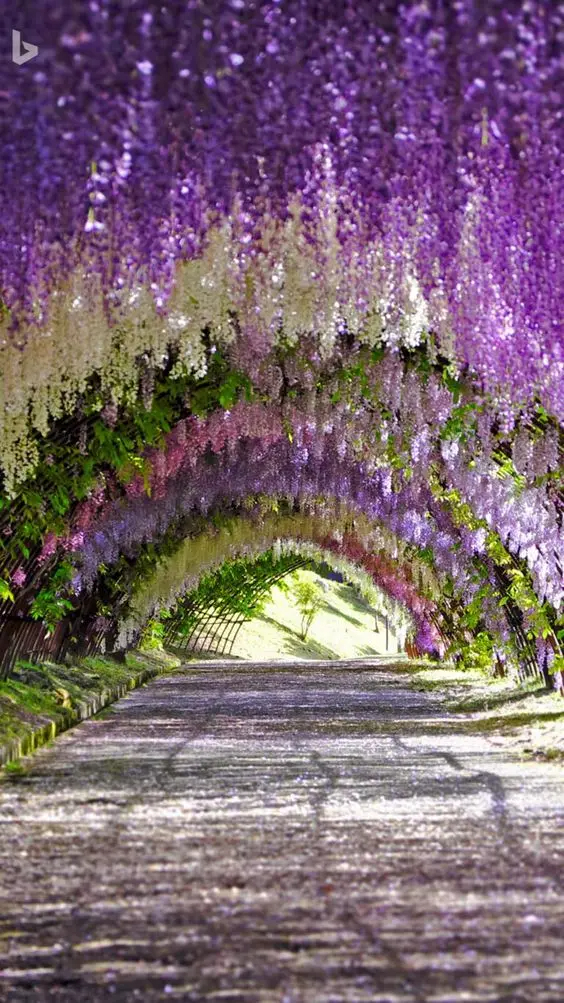
In the city of Kitakyushu, Japan, an enchanting spectacle known as the Wisteria Tunnel beckons. This mesmerizing display is composed of trellises swathed in wisteria vines, which together craft an ethereal canopy awash in hues of violet and rose.Pretoria, celebrated as the Jacaranda City, unveils its majestic avenues crowned with jacaranda trees. Each spring, these thoroughfares transform into a radiant expanse of indigo blooms.
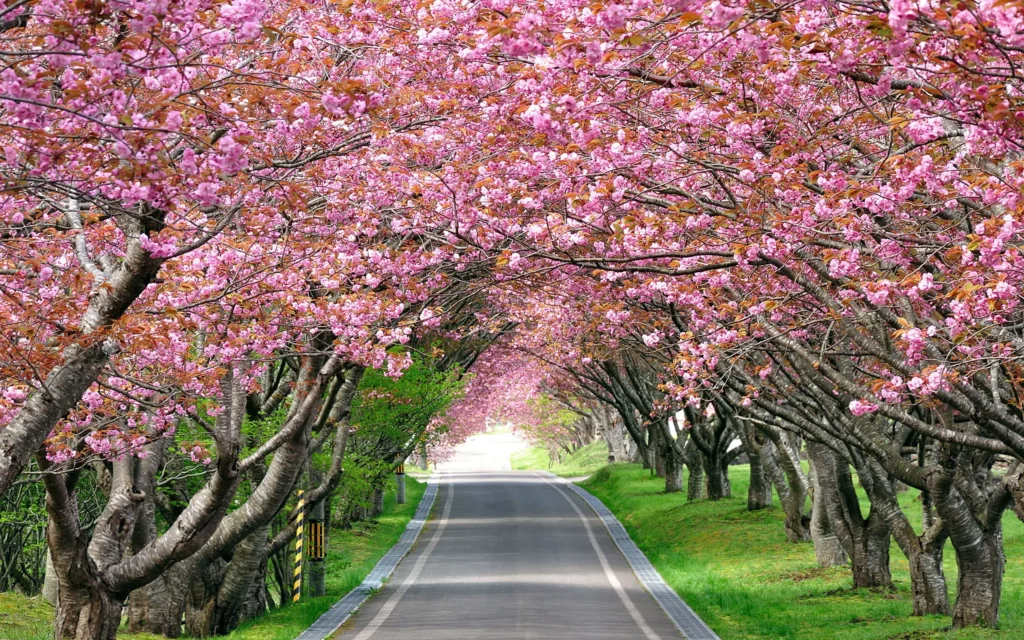
In Aomori, Japan, Hirosaki Park becomes the locus of ethereal beauty during the cherry blossom season. Its pathways, under the spell of the Sakura Tunnel, are lined with the delicate hues of pink and white blossoms.
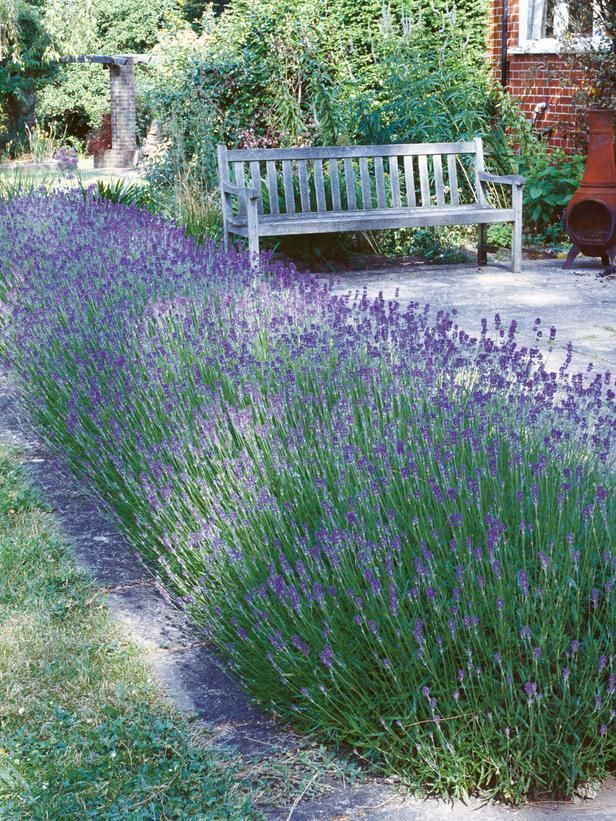
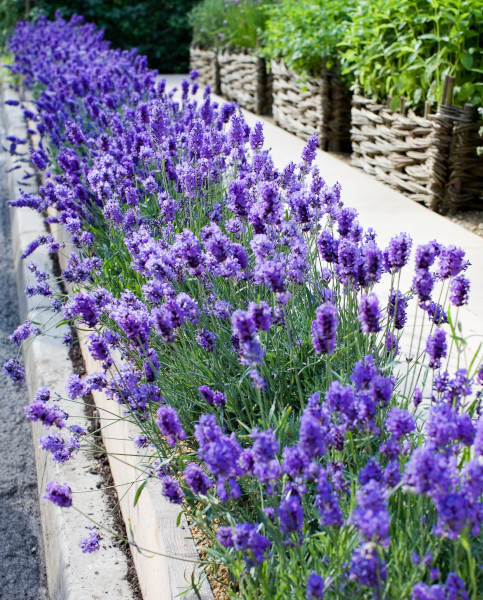
Provence, France, is synonymous with its iconic lavender fields. Traversing these fields, one is surrounded by a fragrant sea of purple, painting a picturesque vista that captivates the senses.
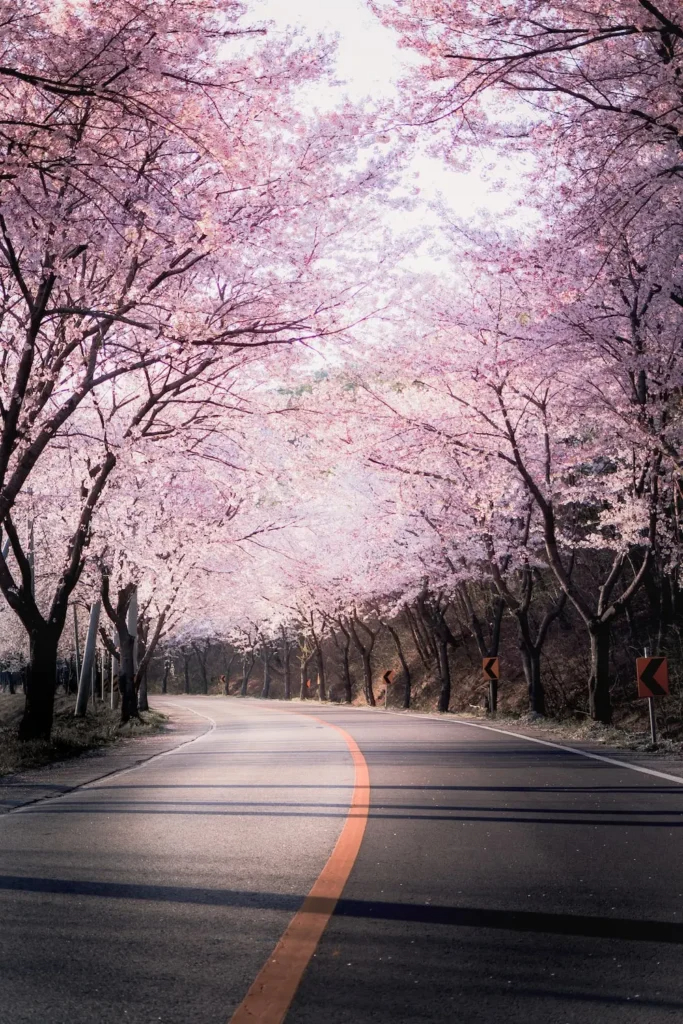
In Gyeongju, South Korea, the annual Cherry Blossom Festival highlights the celebrated Flower Street, adorned with cherry trees that cascade pink petals upon visitors.
The Tuscan landscape in Italy is famously punctuated with vast fields of sunflowers during the summer, presenting a joyous and vivid tableau.
Never grown a hollyhock before, is an amazing plant, just keeps going up
10 Best Arborvitae Landscaping Ideas For An Evergreen Backyard
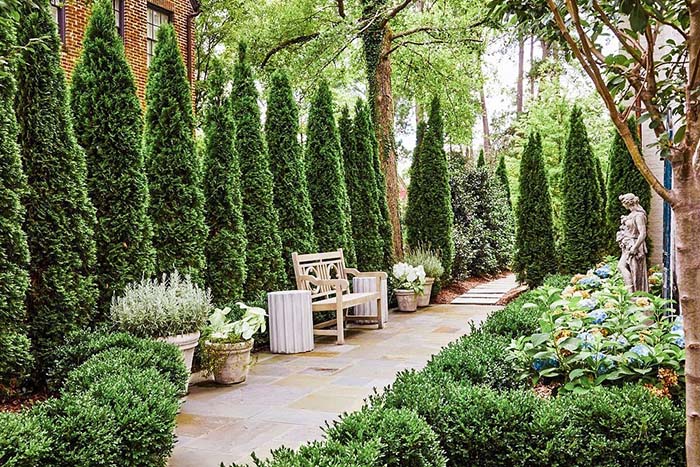
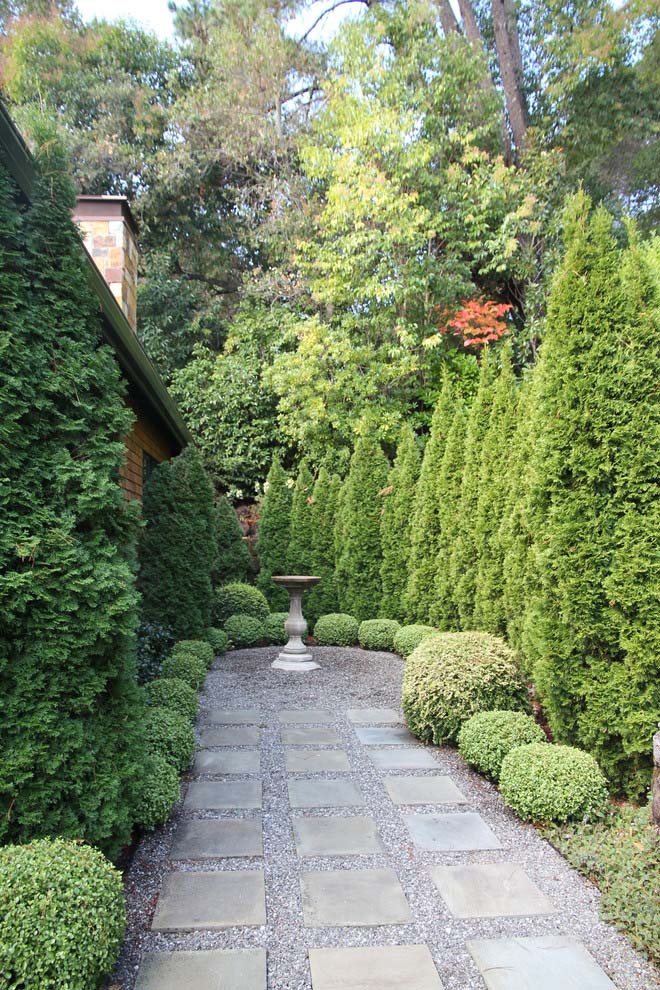
A tall arborvitae plant may look slight when first planted. Give them three to five years and they create a beautiful corridor for a path.
via Falkner Gardens
Emerald green arborvitae are hearty and will thrive in all but the wettest soils.
This makes them a solid choice to use in your landscaping where it will be difficult to retain moisture at the top of a hill.
via Carey Ezell
Emerald green arborvitae work well as a screen. You may run into problems if you try to plant them on the corner of your house. Their height can interfere with gutters as they mature.
via A Blade of Grass
American Pillar arborvitae will tower up to thirty feet high. They make a spectacular landscaping idea when you’re looking for privacy from the neighborhood.
If you need a taller arborvitae, consider Green Giant arborvitae. It can reach heights up to 60 feet.
via Great Oaks Landscape
The broadleaf foliage of boxwoods resembles a bench in a classical courtyard. Boxwoods work because they will thrive in different types of light. The shade of the towering arborvitae will not bother the boxwoods.
10 Best Arborvitae Landscaping Ideas For An Evergreen Backyard video:
A dwarf arborvitae such as Anna’s Magic Ball will also work here.
via Katharine Webster
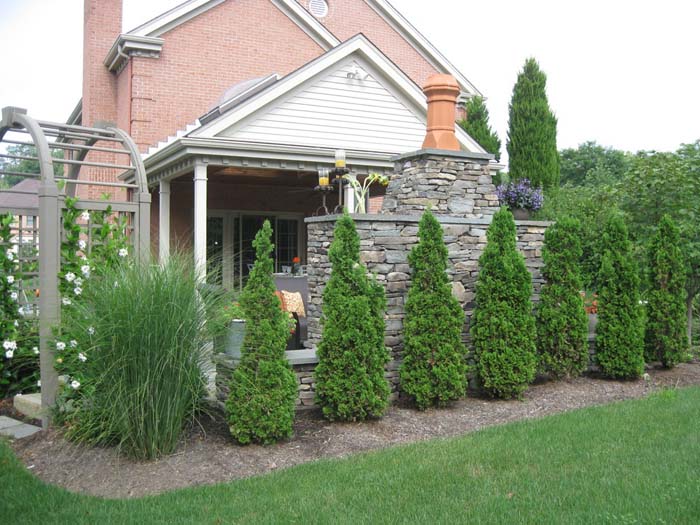
The patio and its large fireplace are stars of this landscape. The owners added American arborvitae and ornamental grasses on the backside of the fireplace.
Their foliage is the perfect cover for a wall of unattractive rocks.
via Pennsylvania Landscape & Nursery
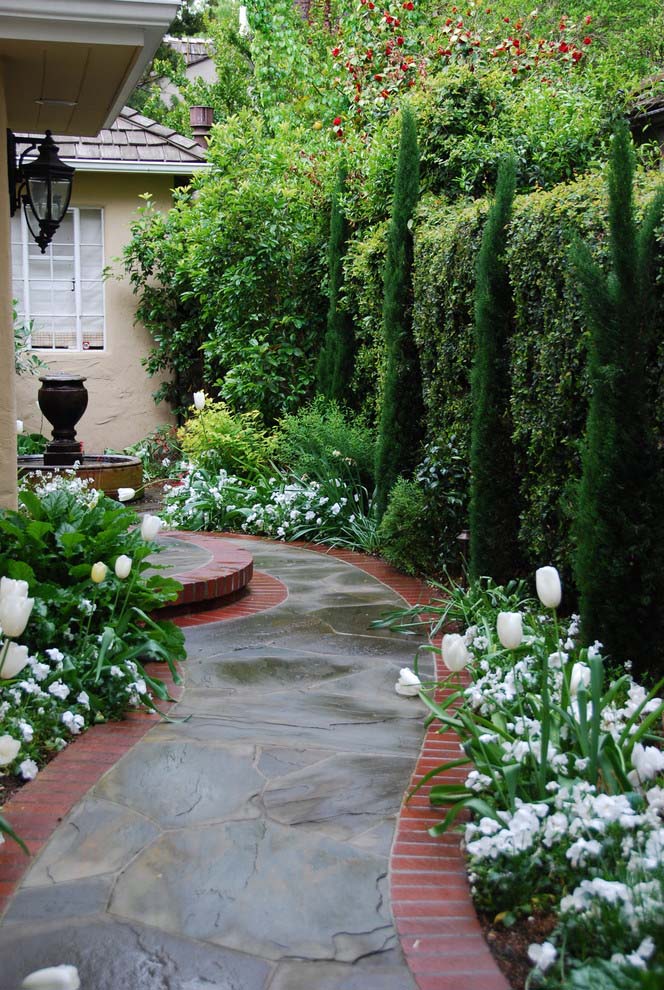
Cupressus ‘Tiny Tower’ is a thin, tall evergreen tree that adds texture in a formal garden.
It’s compact enough to thrive in a garden with annuals.
via Verdance Landscape Architecture
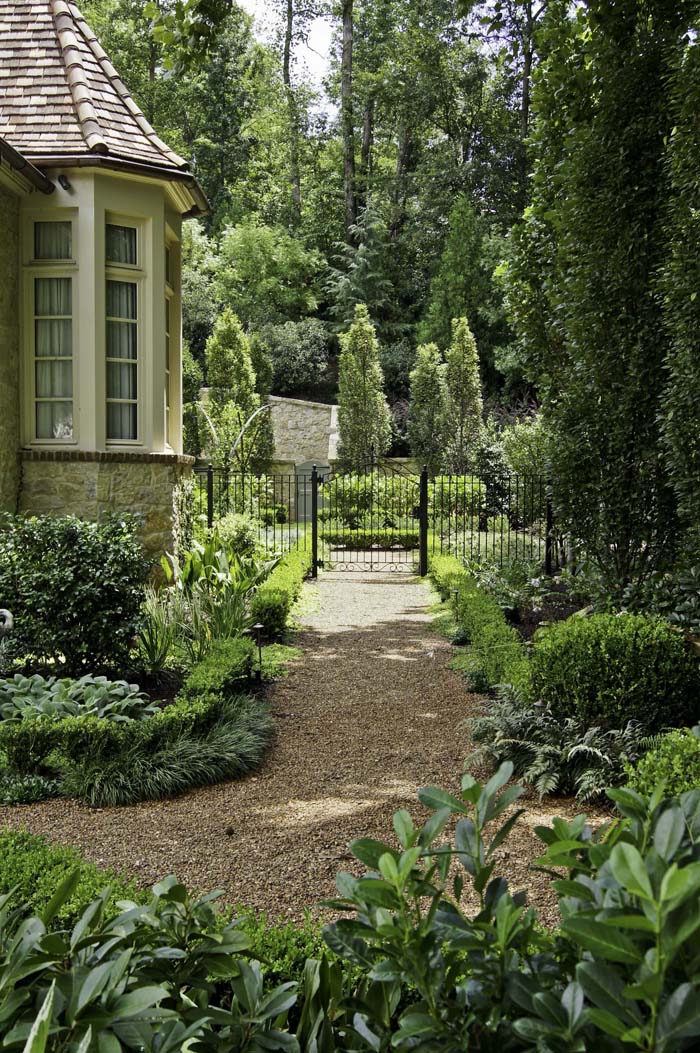
Landscaping with evergreens works on many levels in a formal Italian setting. The garden is surprisingly easy to maintain.
Mix them with boxwoods in your landscape to create areas of varying heights.
via Joe A Gayle
Emerald green arborvitae generally grows 12 to 15 feet high. They can be grown in containers to limit their growth.
In these instances, the large evergreen becomes more of a bonsai than a traditional tree.
via Midwest Block and Brick
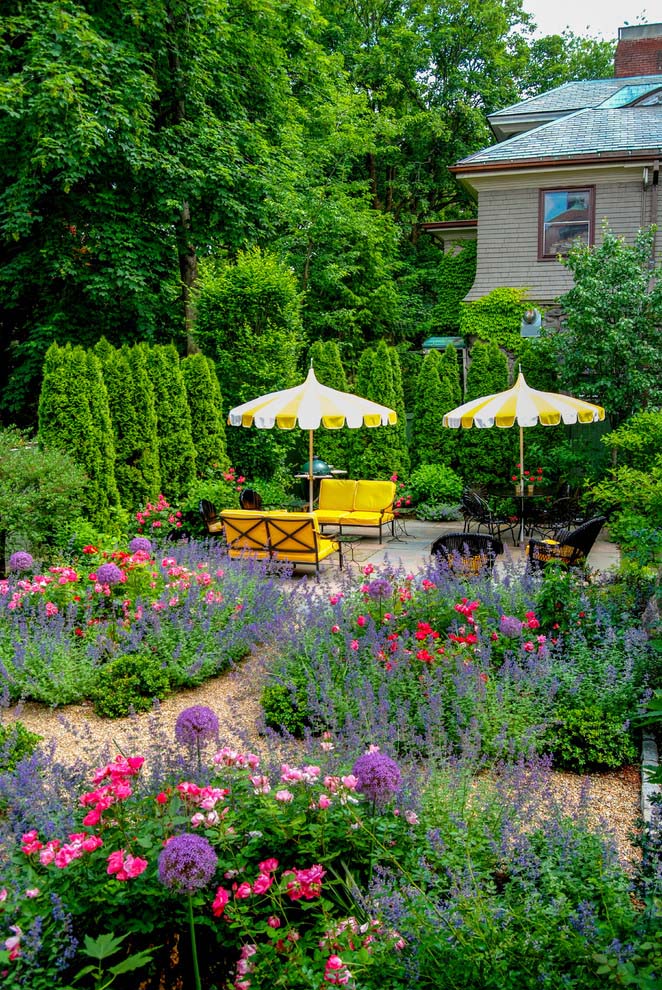
A patio with two patio umbrella tables has a magical look hidden among garden beds filled with wildflowers.
A line of arborvitae acts like patio fencing, protecting food from flying away in a strong breeze. The green towers add privacy. The patio suddenly becomes an exclusive club.
via A Blade of Grass
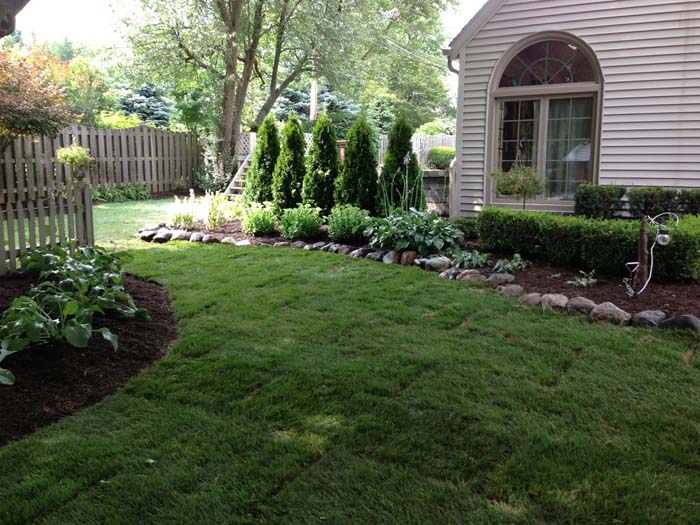
Given the cost of building materials, adding a screen made of five Emerald Green arborvitae is a budget-friendly privacy solution.
They bring a woodsy feel to this yard while covering the siding of the above-ground pool. Arborvitae is a good choice for keeping leaves out of a pool.
10 Best Arborvitae Landscaping Ideas For An Evergreen Backyard
A tall arborvitae plant may look slight when first planted. Give them three to five years and they create a beautiful corridor for a path.
via Falkner Gardens
Emerald green arborvitae are hearty and will thrive in all but the wettest soils.
This makes them a solid choice to use in your landscaping where it will be difficult to retain moisture at the top of a hill.
via Carey Ezell
Emerald green arborvitae work well as a screen. You may run into problems if you try to plant them on the corner of your house. Their height can interfere with gutters as they mature.
via A Blade of Grass
American Pillar arborvitae will tower up to thirty feet high. They make a spectacular landscaping idea when you’re looking for privacy from the neighborhood.
If you need a taller arborvitae, consider Green Giant arborvitae. It can reach heights up to 60 feet.
via Great Oaks Landscape
The broadleaf foliage of boxwoods resembles a bench in a classical courtyard. Boxwoods work because they will thrive in different types of light. The shade of the towering arborvitae will not bother the boxwoods.
10 Best Arborvitae Landscaping Ideas For An Evergreen Backyard video:
A dwarf arborvitae such as Anna’s Magic Ball will also work here.
via Katharine Webster
The patio and its large fireplace are stars of this landscape. The owners added American arborvitae and ornamental grasses on the backside of the fireplace.
Their foliage is the perfect cover for a wall of unattractive rocks.
via Pennsylvania Landscape & Nursery
Cupressus ‘Tiny Tower’ is a thin, tall evergreen tree that adds texture in a formal garden.
It’s compact enough to thrive in a garden with annuals.
via Verdance Landscape Architecture
Landscaping with evergreens works on many levels in a formal Italian setting. The garden is surprisingly easy to maintain.
Mix them with boxwoods in your landscape to create areas of varying heights.
via Joe A Gayle
Emerald green arborvitae generally grows 12 to 15 feet high. They can be grown in containers to limit their growth.
In these instances, the large evergreen becomes more of a bonsai than a traditional tree.
via Midwest Block and Brick
A patio with two patio umbrella tables has a magical look hidden among garden beds filled with wildflowers.
A line of arborvitae acts like patio fencing, protecting food from flying away in a strong breeze. The green towers add privacy. The patio suddenly becomes an exclusive club.
via A Blade of Grass
Given the cost of building materials, adding a screen made of five Emerald Green arborvitae is a budget-friendly privacy solution.
They bring a woodsy feel to this yard while covering the siding of the above-ground pool. Arborvitae is a good choice for keeping leaves out of a pool.
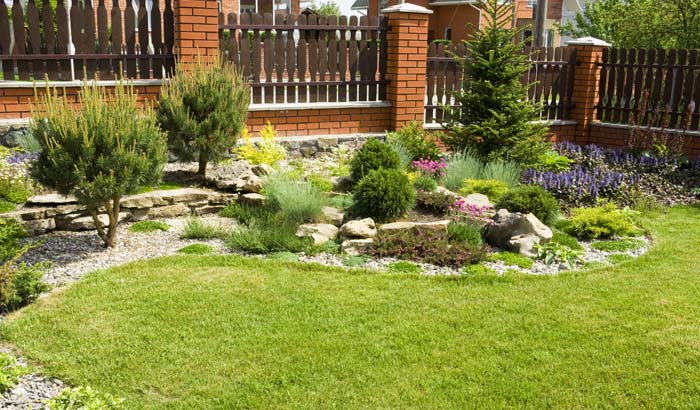
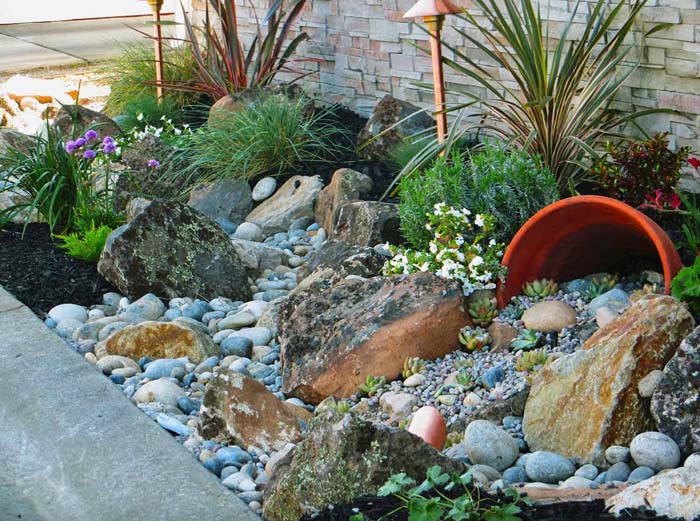
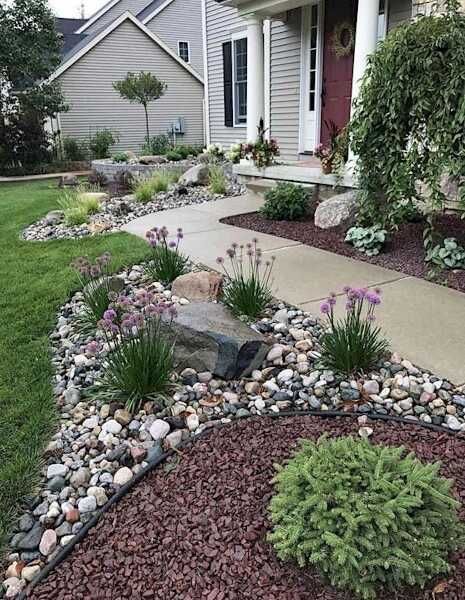
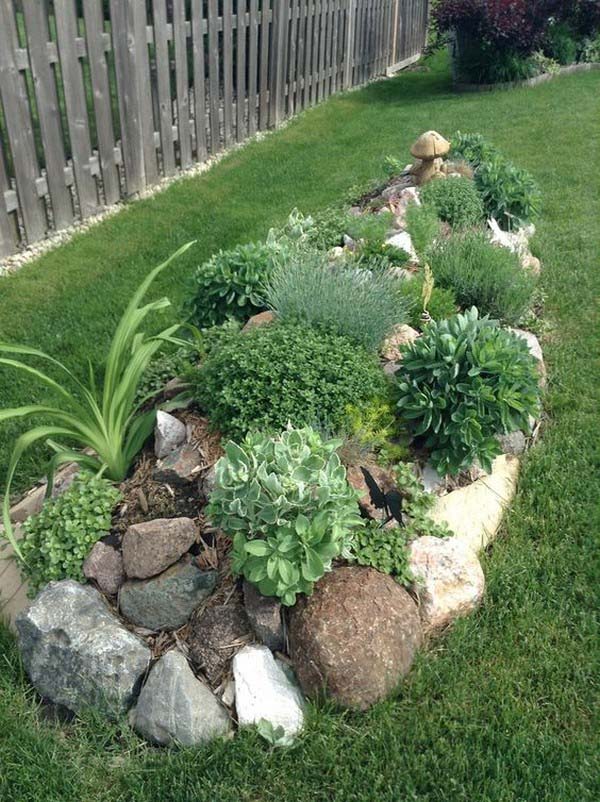
This rock garden has a little of everything. Larger rocks add weight to the area. Alpine plants peek out among the smaller rocks
A low rock wall added height, which created a transitional space between the grass and the brick and iron perimeter fence.
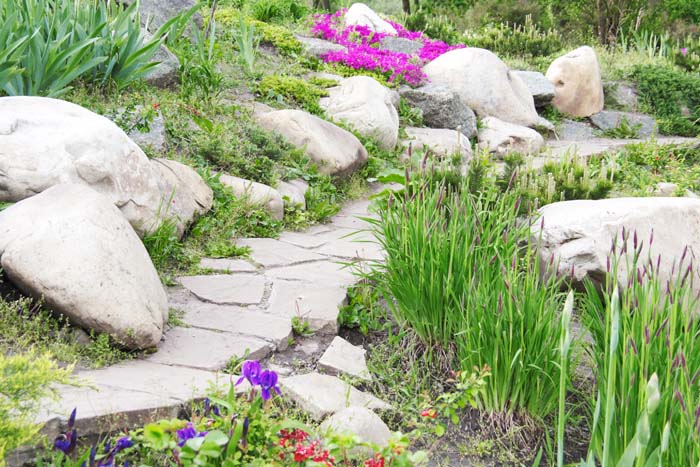
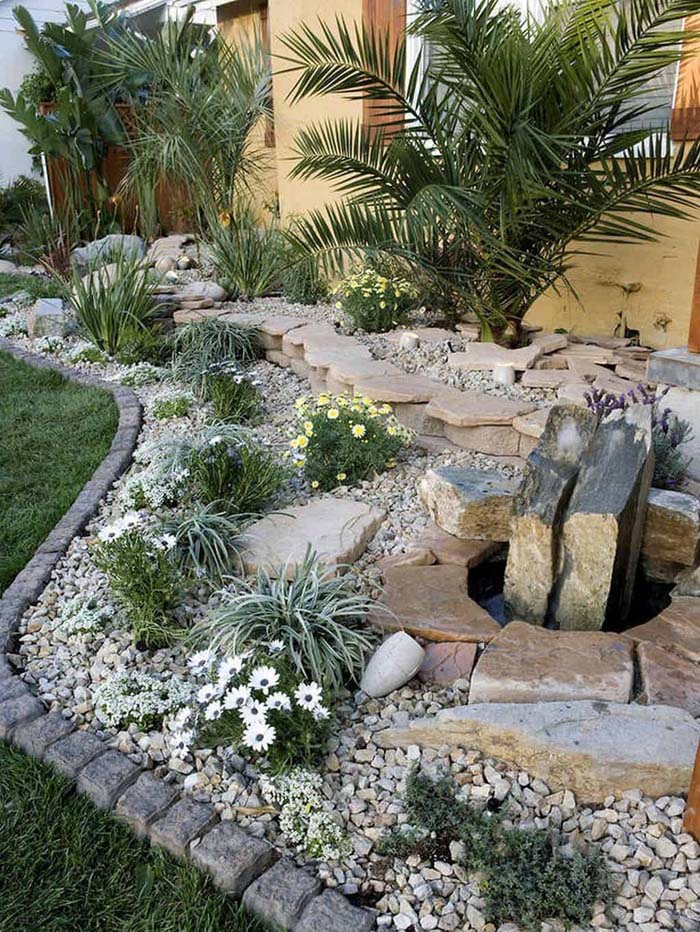
This garden idea flips the script on a dry riverbed by using stepping stones at the bottom to create a path that flows along a row of large river rocks. Low growing alpine flowers add color.
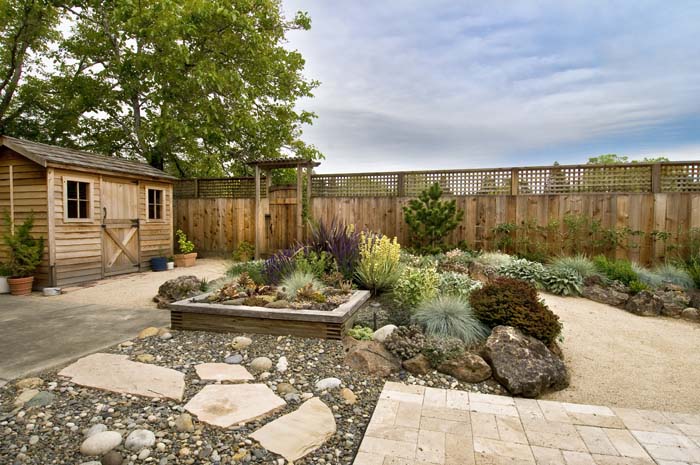
A desert rock garden can be used as a transitional space between areas.
The center was built up and secured using large rocks. As the rockery plants grow, their roots will also help secure the garden bed.
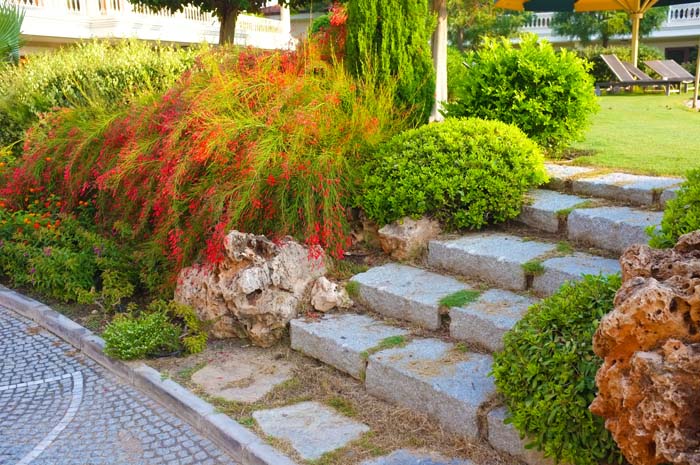
Many landscaping ideas include stepping stones and large rocks. These steps are cut from quarried stone.
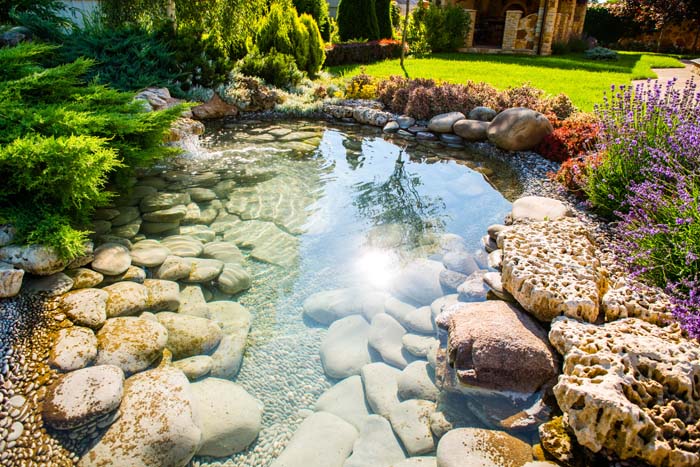
A step up from a rock garden with a dry riverbed is a garden with a water feature.
Here, a shallow pond was built near the grass using river rocks and pea gravel.
A stunning idea is to plant a single species of rock garden plant in a section of your rock garden.
Light colored pebbles contrast with the red plant in the other section of the garden bed. Try a drought tolerant plant such as red salvia or red Texas sage.
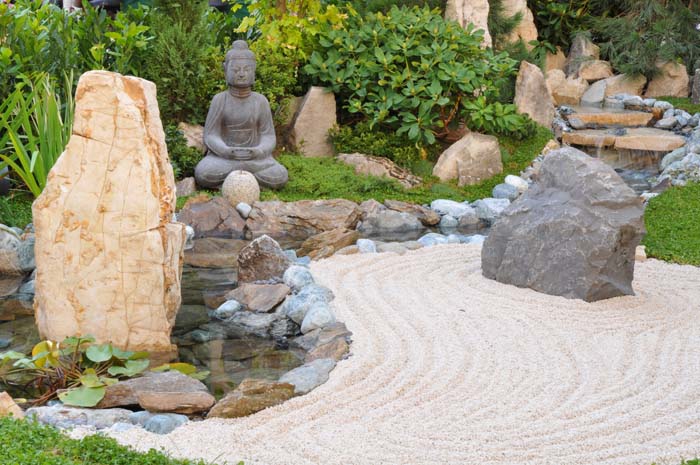
A Japanese rock garden is an elegant design alternative to a traditional garden.
If you’re considering this garden idea, keep in mind that a Zen garden typically includes sand swirling around large rocks and a water feature like a pond or waterfall.
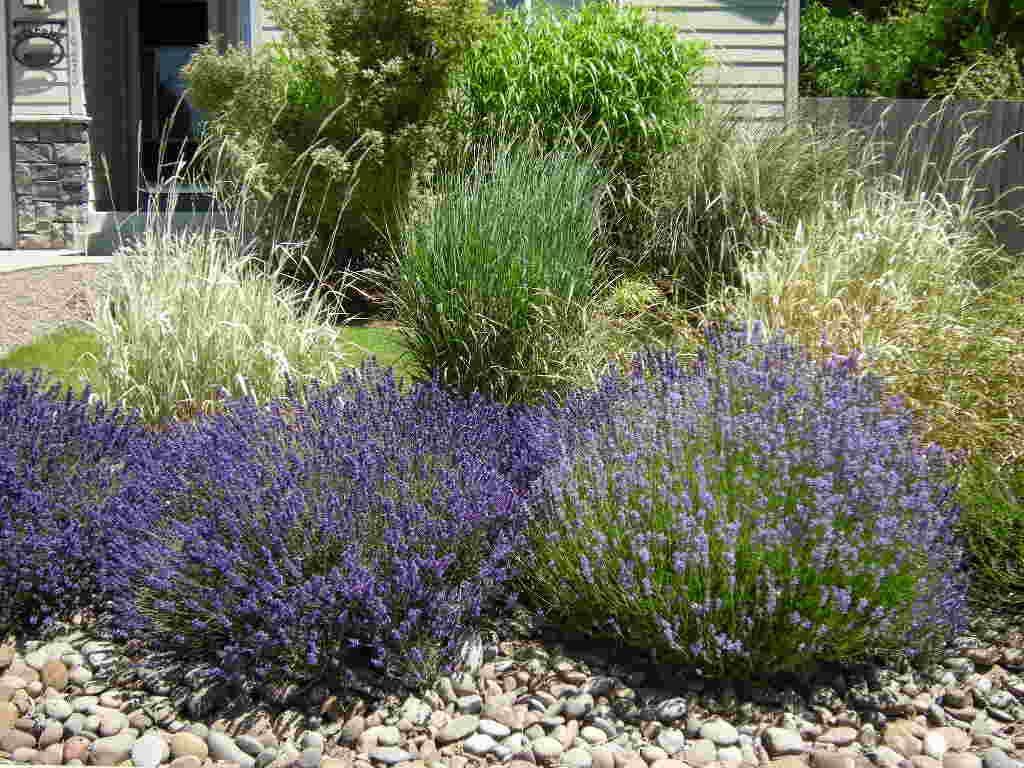
Ornamental grasses and alpine plants bring color and texture to this rock garden.
If you know a rock garden design is the idea for your yard but hate giving up the lawn, why not include a small section of grass?
This garden grows a path that allows you to still enjoy the feel of soft grass under your feet.
A dry river bed is one of the most appealing upgrades you can make to your landscape. A landscape designer can show you how to include a water feature like this gorgeous stone path that’s lined with rock garden plants.
This rock garden design includes a dry riverbed as a drainage solution.
Large rocks add visual weight to the base of this tree.
The inner circle can be filled with a flower bed or any type of low-growing plants.
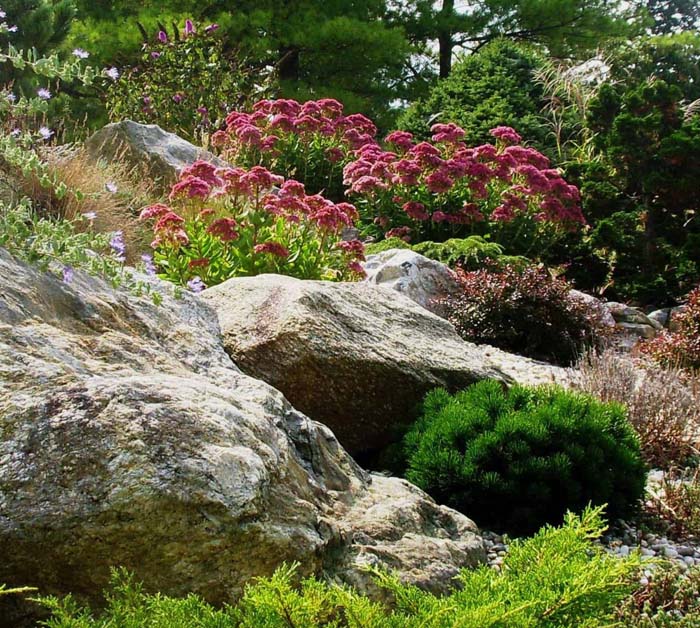
At higher elevations, a rock garden can be combined with alpine plants.
The rocks keep the soil from being lost to erosion.
Even if you live in a climate as dry as Las Vegas, you can still come up with unique landscaping ideas for your rock garden.
Experiment with drought-tolerant plants that love sandy soil. The pea gravel used here lowers the amount of dust that kicks up on windy days.
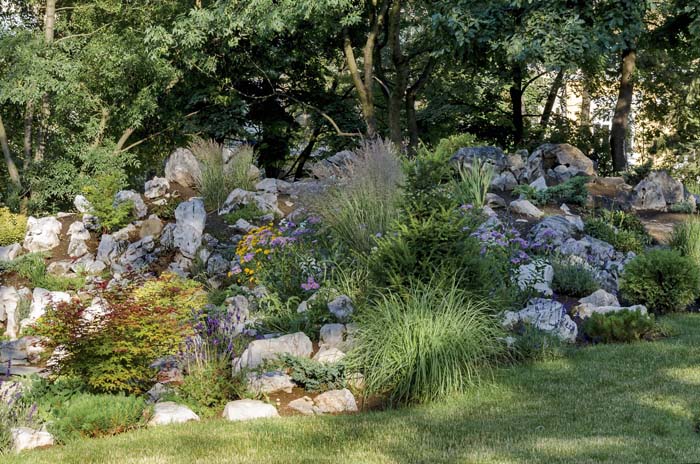
Rockery plants and ornamental grasses turned a pile of large rocks into a colorful rock garden.
A landscape designer can help you decide if the lower areas of your property would benefit from installing a French drain.
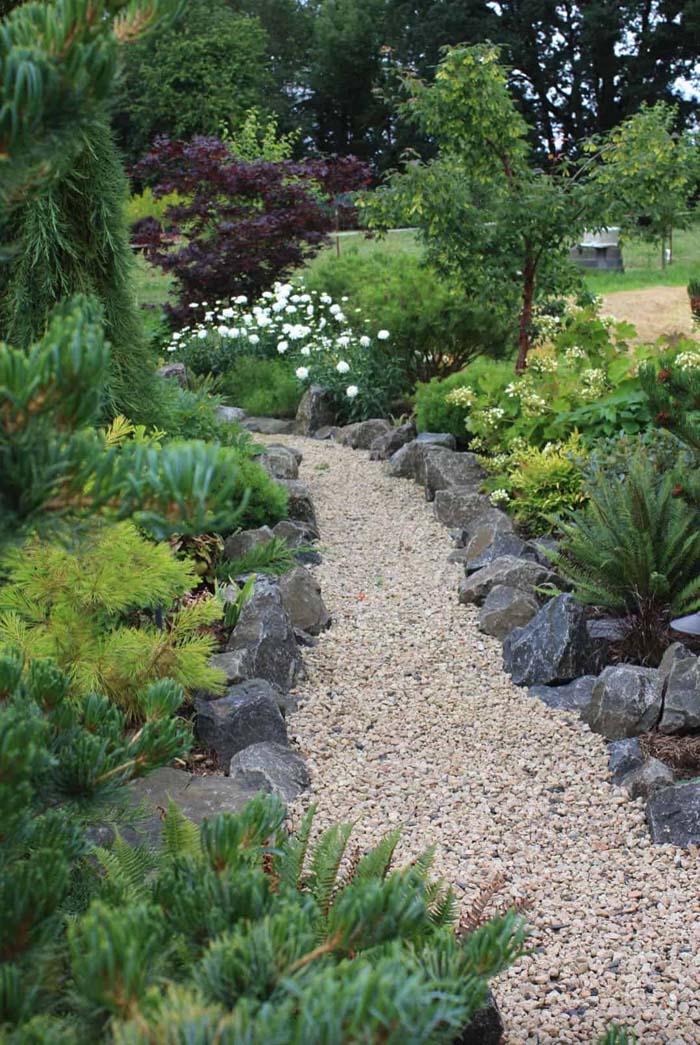
This area is a striking path using pea gravel contrasted by an edging made of large black rocks.
via Bliss Garden Design
If your landscape is filled with large rocks, fill in the spaces with rockery plants. These plants don’t require a lot of moisture and add lots of color to the space.
via NC Designs
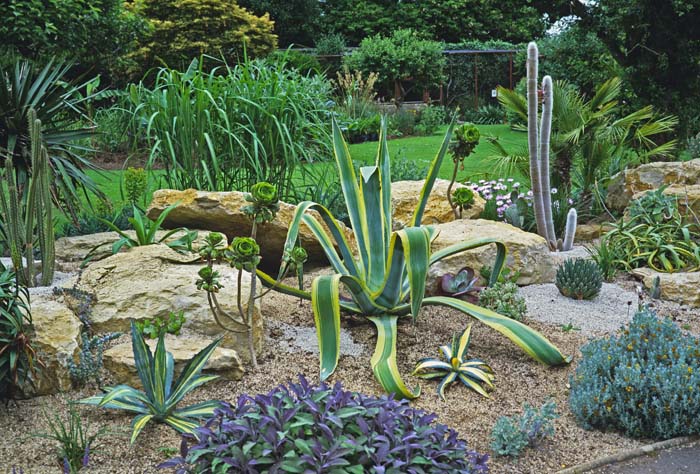
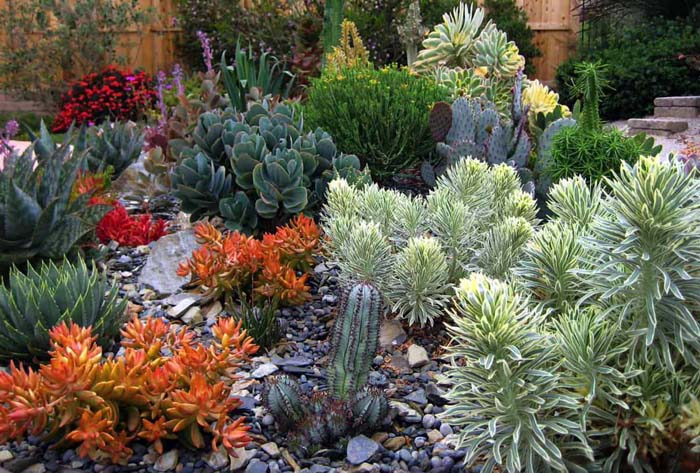
If you live in a warm, dry climate but are not sure you can live without plants, consider a succulent garden. Succulents and cacti thrive in sandy soil and warm temperatures.
via Whitmores
A rock garden is used to control the flow of rainwater. The rocks and plants work together to hold soil and control erosion.
Stepping stones act as a transitional space across the walkway.
via Gardens By Gabriel
the look of your landscape. Stepping stones are set around a water feature in a bed of river rocks.
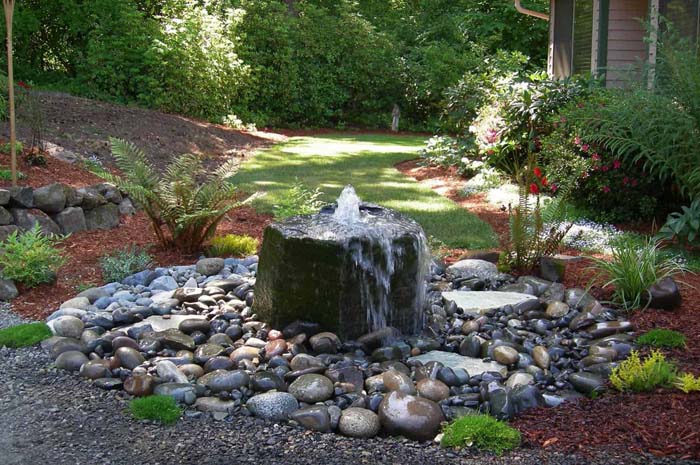
Water fountains are surprisingly easy to add to your landscape.
via Extreme Interiors
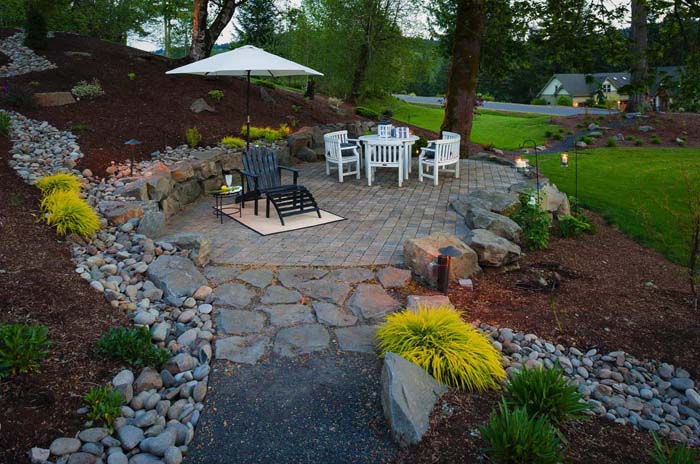
Landscaping ideas that include seating areas are always popular. This one has garden beds acting like little vignettes with edging made of quarried stone.
The outside areas can be covered with pavers or gravel.
via Aden Landscaping
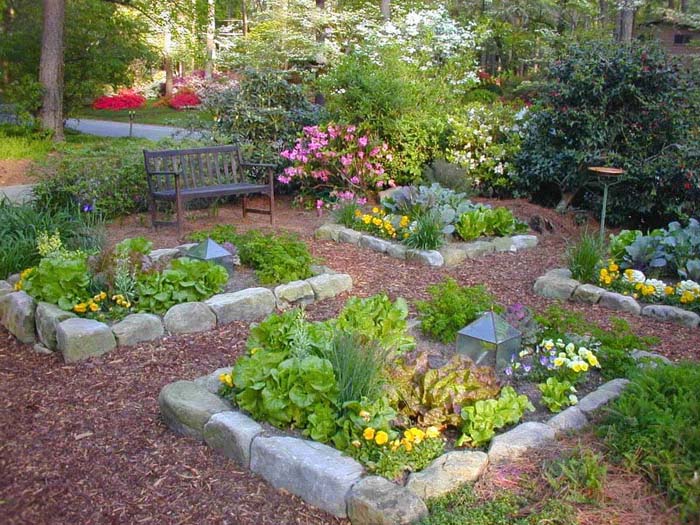
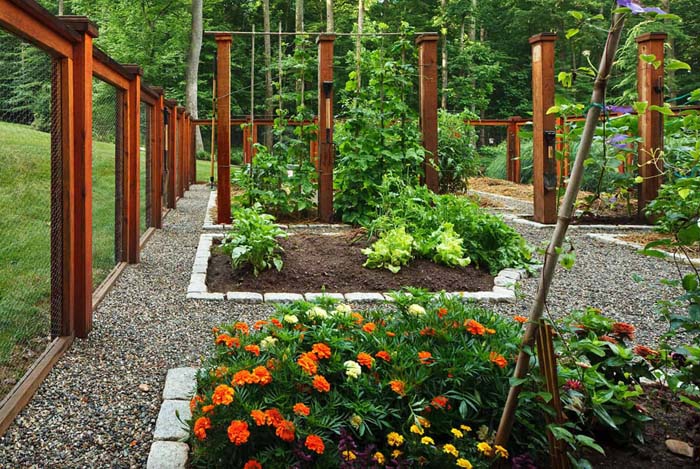
One idea for protecting a traditional garden is to keep it in an enclosed area with a high fence.
Flower and vegetable beds are separated from the rest of the landscape and grown in separate beds. Pebbles are used to separate the beds.
via HomeGardenDesign
Using river rocks in your rock garden will never go out of style. The smooth stones pouring out of a container into a dry river bed has become an evergreen idea.
via Folia Horticulture
This spectacular rock garden has plenty of ideas you can use in your landscape.
The rock wall adds another layer or height. They use stepping stones to draw the eye to the water feature.
via JPM Landscape
Large rocks add height and texture to this rock garden. It gets its color with the addition of rockery plants.
Rock garden design adds another dimension to landscaping ideas.
Using a single species of flower gives this rock garden a unique look.
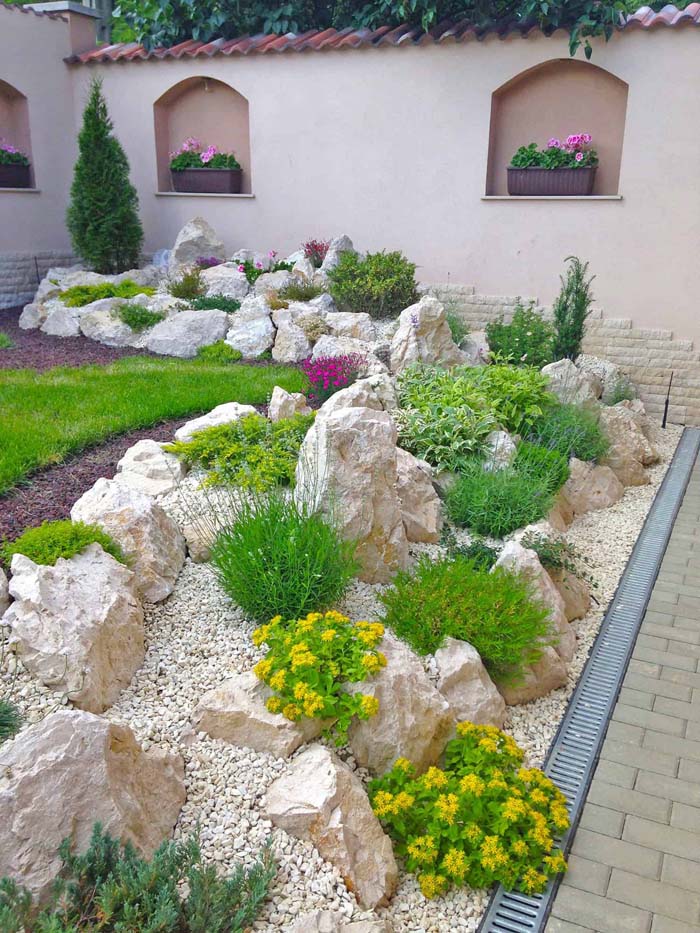
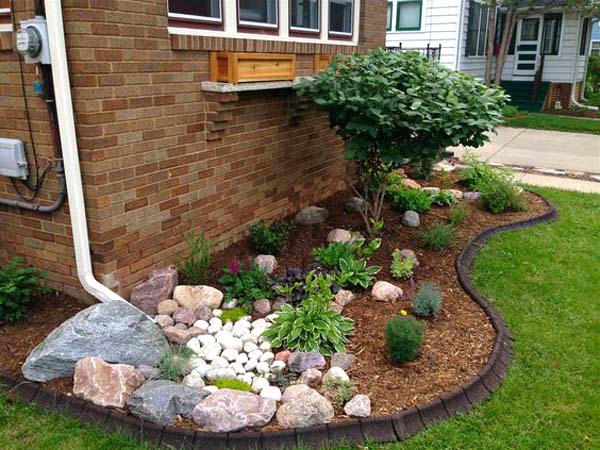
Corner rock gardens are an easy way to control rain runoff and hide the drain pipe. They’re a beginner-friendly project.
Using larger rocks along the edge works to protect the drain pipe. Smaller white rocks add contrast.
Rock garden ideas sometimes evolve out of necessity. If you have a section of grass in your landscape that is always brown, try creating a rock garden.
Gather large rocks around the edge and build inside using smaller rocks, stones, and plants that like sandy soil.
Rock gardening doesn’t have to be big or complex to look amazing. This rock garden has basic drought tolerant plants. It’s the placement of them in three separate sections of small rocks that creates interest.
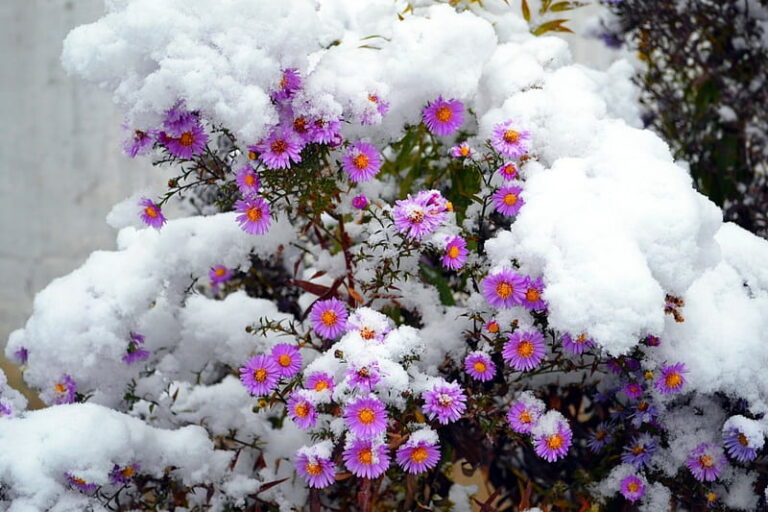
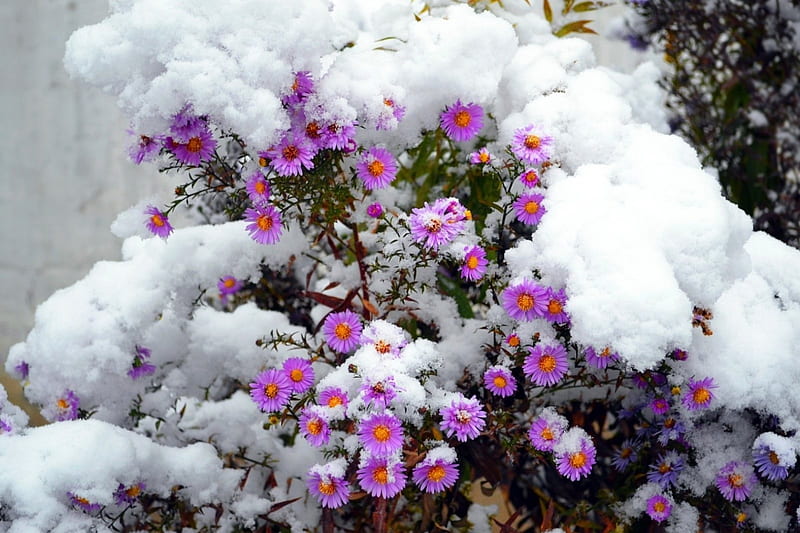
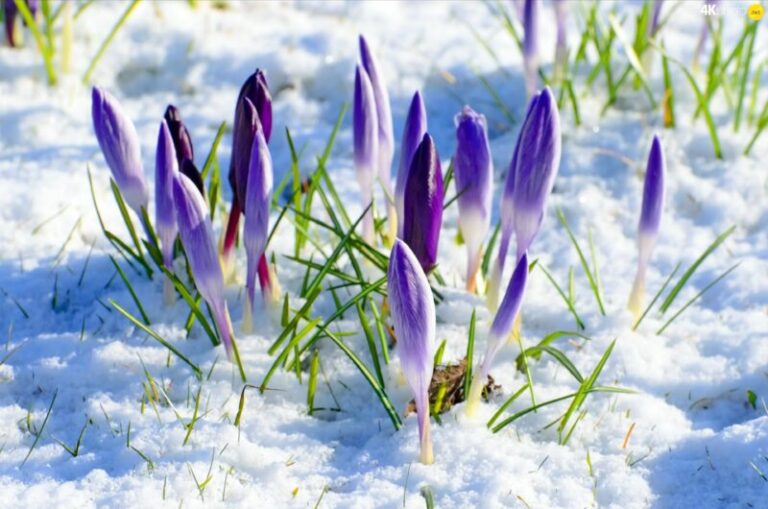
As winter’s first snowfall blankets the earth, the world seems to slow down, enveloped in a serene, white silence. Yet, amidst the frosty landscape, there emerges a breathtaking contrast—a cluster of vibrant purple flowers, their delicate petals crowned with fresh, untouched snow.
These flowers, adorned in nature’s purest white, stand as a symbol of resilience and hope. Despite the harsh cold, they bloom brightly, reminding us of the beauty that can thrive even in the most unexpected of circumstances. The sight of these blossoms breaking through the snow is a testament to nature’s incredible ability to endure and flourish, no matter the odds.
This image captures a moment where two seasons—autumn and winter—seem to coexist, where the warmth of late blooms meets the chill of the first frost. It’s a powerful reminder that life, much like these flowers, can be both delicate and resilient, fragile yet enduring.
In a world where we often rush from one season to the next, these snow-kissed flowers urge us to pause and appreciate the fleeting beauty around us. They encourage us to find strength in adversity, to recognize that even in the coldest of times, there is a chance for something beautiful to emerge.
So, as we marvel at this wintry display of color and contrast, let us carry with us the lesson of the snow flowers—that in the face of challenges, we too can bloom, we too can shine, even when the world around us is covered in snow.
As winter’s first snowfall blankets the earth, the world seems to slow down, enveloped in a serene, white silence. Yet, amidst the frosty landscape, there emerges a breathtaking contrast—a cluster of vibrant purple flowers, their delicate petals crowned with fresh, untouched snow.
These flowers, adorned in nature’s purest white, stand as a symbol of resilience and hope. Despite the harsh cold, they bloom brightly, reminding us of the beauty that can thrive even in the most unexpected of circumstances. The sight of these blossoms breaking through the snow is a testament to nature’s incredible ability to endure and flourish, no matter the odds.
This image captures a moment where two seasons—autumn and winter—seem to coexist, where the warmth of late blooms meets the chill of the first frost. It’s a powerful reminder that life, much like these flowers, can be both delicate and resilient, fragile yet enduring.
In a world where we often rush from one season to the next, these snow-kissed flowers urge us to pause and appreciate the fleeting beauty around us. They encourage us to find strength in adversity, to recognize that even in the coldest of times, there is a chance for something beautiful to emerge.
So, as we marvel at this wintry display of color and contrast, let us carry with us the lesson of the snow flowers—that in the face of challenges, we too can bloom, we too can shine, even when the world around us is covered in snow.
As winter’s first snowfall blankets the earth, the world seems to slow down, enveloped in a serene, white silence. Yet, amidst the frosty landscape, there emerges a breathtaking contrast—a cluster of vibrant purple flowers, their delicate petals crowned with fresh, untouched snow.
These flowers, adorned in nature’s purest white, stand as a symbol of resilience and hope. Despite the harsh cold, they bloom brightly, reminding us of the beauty that can thrive even in the most unexpected of circumstances. The sight of these blossoms breaking through the snow is a testament to nature’s incredible ability to endure and flourish, no matter the odds.
This image captures a moment where two seasons—autumn and winter—seem to coexist, where the warmth of late blooms meets the chill of the first frost. It’s a powerful reminder that life, much like these flowers, can be both delicate and resilient, fragile yet enduring.
In a world where we often rush from one season to the next, these snow-kissed flowers urge us to pause and appreciate the fleeting beauty around us. They encourage us to find strength in adversity, to recognize that even in the coldest of times, there is a chance for something beautiful to emerge.
So, as we marvel at this wintry display of color and contrast, let us carry with us the lesson of the snow flowers—that in the face of challenges, we too can bloom, we too can shine, even when the world around us is covered in snow.
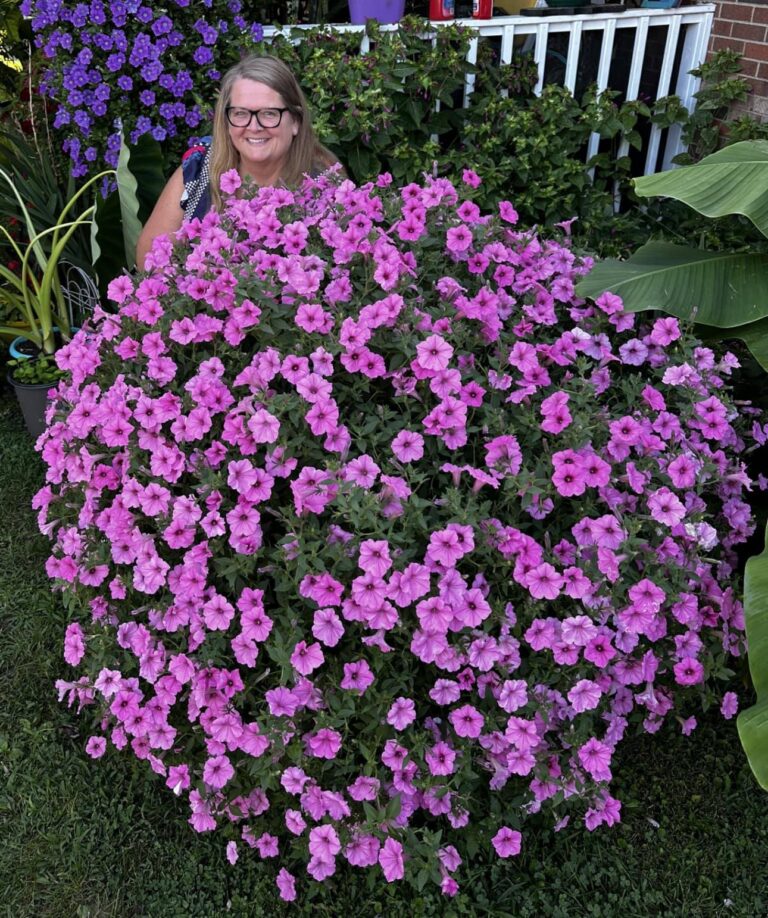
That sounds like your petunia is thriving under your care! Here’s a suggestion for a social media post that reflects your pride and the effort you’ve put into growing your Bubblegum Supertunia:
“My Bubblegum Supertunia is flourishing like never before! 🌸
It’s grown so much since I last shared, and I couldn’t resist sitting behind it to show off just how big it has gotten. With daily watering, lots of sunshine, and a weekly dose of Miracle-Gro, it’s truly living its best life. I even take the time to deadhead the blooms every day—keeping it neat and tidy, even though this beauty doesn’t really need it. Gardening joy in full bloom! 🌺 #PetuniaLove #GardeningJoy #FlowerPower #GreenThumb”
“My Bubblegum Supertunia is flourishing like never before! 🌸
It’s grown so much since I last shared, and I couldn’t resist sitting behind it to show off just how big it has gotten. With daily watering, lots of sunshine, and a weekly dose of Miracle-Gro, it’s truly living its best life. I even take the time to deadhead the blooms every day—keeping it neat and tidy, even though this beauty doesn’t really need it. Gardening joy in full bloom! 🌺 #PetuniaLove #GardeningJoy #FlowerPower #GreenThumb”
Title: Naming My Cat: Embracing Her Plant-Loving Persona
Ever since she was a kitten, my cat has been convinced she’s a plant. Whether it’s curling up in a sunbeam like a houseplant soaking in the rays or playfully batting at leaves as if she’s part of the foliage, her connection to all things green is undeniable. So, when it came time to name her, I knew I had to choose a name that reflects her botanical obsession.
Here are some plant-inspired names I’ve been considering:
Fern – A delicate and elegant name, just like her soft, graceful movements.
Ivy – Perfect for a cat who likes to explore and climb, much like the plant itself.
Clover – A name that brings a bit of luck and a lot of charm.
Willow – Ideal for a gentle and serene kitty who moves with the wind.
Maple – A name that’s sweet and strong, just like the tree.
Poppy – For a playful and vibrant cat who loves attention.
Sage – A wise and calming presence in the house.
Daisy – Simple, classic, and always brightens up the room.
Rose – A timeless name for a cat with a bit of sass and elegance.
Basil – A quirky and fresh name for a cat with a lot of personality.
Choosing a plant name feels like the perfect way to honor her love for nature. It’s a fun and meaningful way to celebrate her unique personality and the way she’s become an integral part of my little indoor garden.
What do you think? Does one of these names stand out, or do you have another plant name suggestion that might suit her better? 🌱🐾 #CatNames #PlantLover #IndoorGarden #CatLife
When you are set on kicking back and enjoying your yard, nothing is better than the right seat. There are countless seating options for an outdoor area, but one category stands alone.
Yard swings can serve multiple functions. A swing can be an entertaining activity, both for children and the adult who is young at heart; or it can be the perfect spot to rock back and forth while enjoying the outdoors, wrapped up in a blanket, favorite drink in hand.
There are different styles of swings available, and some styles of swings are designed for recreational use. These kinds of swings are usually sturdy, or hung from something that is, such as a tree. They also have a much higher swing range than other swings not designed for this purpose. Families with kids or people who just have a young spirit love these kinds of swings. These recreation swings provide the fun and exciting experience of swinging as high as you can, feeling the wind, and touching the sky.
The other type of yard swing is a relaxation swing. These are not designed for rough use, and can break if you swing on them aggressively. These kinds of swings are better utilized for casual and relaxed swinging. This is a seating option that is great for social situations, swinging softly by a fire, swaying on a porch as you watch the sunset, or rocking back and forth as you dive deep into a book.
What are the pros and cons to getting a yard swing?
Pros:
Fun – Swinging can be a good time. The high flying excitement of a recreation-style swing and the slow back and forth on a porch swing are both fun, and can give your yard more entertainment value.
Relaxing – People love to rock back and forth. It is soothing and helps us relax. A yard swing can make your yard even more calming.
Cons:
Safety – Swings can be dangerous if people are not careful around them. Children should be always supervised on swings.
Maintenance – A swing structure can change over time from stress and repeated usage. Keeping an eye on the integrity and the state of the structure in general is a good idea. If you let it go unchecked too long, a swing could give way, possibly causing someone injury.
If you are on a budget, you can find yard swings as cheap as $100. Because there are moving parts, and swings take some abuse over time, the less expensive and sturdy swing you choose may be indicative of its lifespan. More expensive models will likely be made with better materials and a heartier design, and thus will last longer under similar strain. If you are looking for a higher end model you may spend upward of $2,200.
Find more backyard ideas in our definitive guide to backyards!
An excellent way to make a sturdy and durable swing is to hang it from the structure of your patio. The structural beams are made to hold weight, and will likely be fine with the extra strain of a swing.
Swings are great for kids. Many swing sets that are made for children have various types of swing seats included. Choices and options increase the entertainment value for children. This set up is perfect for those looking to build wooden swing sets or a backyard swing set. Source: Zillow Digs™
In this picture there is a swing that has been hung from a porch structure. The design of this swing is large and flat, which allows for multiple people to sit or even lay on it as it swings. This giant swing chair can be used to replace your conventional outdoor furniture, getting a massive comfortable cushion on this swing should do the trick. Source: Zillow Digs™
The quintessential swing design is a wooden plank hung by two ropes from a branch. This kind of swing can be homemade and is as sturdy as the branch you find to hang it from. This style brings an interesting and rustic country-style appeal to a backyard. This outdoor swing is very easy to make, just a few extra steps from the good old rope swing.
If you like swings, but don’t have the space for one, you can can get a swing for visiting critters. A swing styled bird feeder is interesting and lets your winged friends enjoy a swing. This is perfect for those with a small yard that want to attract some wildlife to give more life to their home. WHo says birds don’t like to have their own glider swing? Learn more here.
Here is a swing that has a comfortable seat with a high back suspended from an independent rig. This design allows you you sit in comfort and spin around to see any aspect of your yard from your swing. This awesome wooden swing is perfect to relax on a nice day, make sure to buy a nice seat cushion to go with it.
Here we can see a simple and modern porch swing with a bench seat. This is is an amazing place to sit in the evening, wrapped in a blanket reading a book or enjoying the sunset sipping your favorite beverage. This swing is very easy to set up, you just need to hang it from your porch ceiling and you’ll have the perfect piece of furniture for your outdoor living space. Source: Zillow Digs™
A classic and simple yard swing looks great out among the trees. It can be a wonderful escape to walk out to your swing and rock back and forth as you enjoy nature at its best. Yet another wooden swing set to add to our list, they look beautiful and will last a long time outside.
This is a classic white wicker porch swing with a comfortable padded seat. This is the kind of swing that would be ideal for starting your morning on a sunny Sunday with a cup of coffee, while you watch the sun rise. Perfect alternative for the conventional outdoor furniture that you’ll find in any store. Learn more here.
Here is a classic bench seat swing with a finely crafted wood design. Chains are ideal to hang a swing like this, as they are strong, have high weight capacity and are very durable.
When looking for a porch swing, you will find a large number of styles and designs. A design like the one in this picture, with raw and unfinished wood for a rustic appeal, is great for a cabin look or a space out in the woods. Source: Zillow Digs™
Another incredibly simple and easy swing to put up is a tire swing. You may already have the materials to make this kind of swing. If you have a large old tire, a rope, and a sturdy branch, you are ready to go.
Having a swing by a fire pit is a great way to enhance the experience of sitting around a roaring blaze with your friends. This particular design circles the entire pit with five bench swings, letting everyone at the party enjoy the ability to swing. If you want to make this even better and hold lots of people, we suggest you use a steel frame to build it and avoid any accidents.Source: Zillow Digs™
Putting a yard swing out in a shady area is a great way to create an escape. This swing is isolated in the shade of a large tree. A great way to enjoy nature is swaying back and forth under a shady tree. The only thing missing here is a nice picnic table to have lunch during sunny summer days.
This porch swing has a long, wide design. It allows for you to be laid back and relaxed as you enjoy a morning coffee and breakfast, an afternoon tea, or simply lying back with a loved one enjoying the weather. Source: Zillow Digs™
Not all porch swings have a country or rustic design, as displayed here by this simple and modern porch swing. This swing is ideal for an updated and minimalistic design. There are no frills or fancy ornamentation, just a simple and sleek design with the ability to swing.
This swing is hung by chains from an overhang that also holds two large hanging planters. Hanging flower planters adds some visual appeal to your swing, making it even more relaxing and inviting.
If a bench swing is too large for the space you have available, or you simply don’t like to share your seat with others, you can find hanging porch swings that are single seats. This is a metal single seat swing hung by chains. A metal swing is easy to clean and looks good with almost any design. Learn more here.
Here is a swing with a raw wood feel, which appears to be made from found and unfinished wood. This looks great out in a garden, among the large stones and near a stream. This natural wood design blends well into nature.
Because they are hung, swings need to be on relatively flat ground, otherwise the angle of the ground can be felt on the swing. If you don’t have enough even ground, a simple patio area can can even out your ground and add a new element to your yard.
A simple and elegant metal swing can add a great deal to any design. This swing has plastic sheaths on the chains which is a good idea. Chains have the potential to pinch fingers and hands if you are not careful. These kinds of sheaths are great for helping prevent these injuries. Learn more here.
The good thing about having a swing made from wood is that wood is a material that accepts paint and finishes very well. This means that wooden swings can be painted to match any design.
This swing is a rustic natural log design that would be simple to coat in any finish you would like. You could make the bench match any tone or design. This swing is also suspended from long wooden arms that are attached by small chains near the top. This limits the sway, and gives a more even and predictable forward swing. Learn more here.
Some metal and fabric yard swings have overhangs that provide their own shade. These are the perfect kinds of swings for poolside. You can sit and swing softly in the shade as you watch your kids swim, or push back the overhang and sway in the sun after you are done swimming laps. This is perfect for those looking for a durable swing seat.
In this picture, there is a sleek and simple yard swing that has a leaned back and relaxed seat. A metal frame is a durable styled frame that has a small and simple profile. A metal frame does not need to be as thick as other materials to have equal or even greater weight bearing capabilities. This is a great outdoor swing to relax. Learn more here.
Here is an interesting yard swing with a simple and minimal design. The simple and bright color of this seat works well with any design, and would look great in any garden. If you don’t want a wooden swing but want an outdoor swing that lasts long then this is for you.
An egg shaped swing is a design you don’t see too often, but is a fun and functional shape. With this kind of partially enclosed swing seat, you can fill it with pillows and have a comfy area to sink into. This swing is small and self contained, so it is easy to move wherever you need it. Perfect option for those with a small outdoor patio. Learn more here.
This swing is suspended from a simple archway with a flat plank seat. If you don’t have many trees nearby, this is a workable alternative to hanging the flat plank seat from a branch. You can make this swing with a nice material like cedar.
There are some unique yard swings available. This interesting swing has a teardrop shaped canopy over a reclined seat. Most swings are designed to swing back and forth; while this design still moves back and forth there is more room for a side to side swinging motion. This is a portable, more secure version of a hammock. Learn more here.
This swing has a circular seat suspended from a wooden frame. The circular seat is great for sitting facing either direction or even laying down. This is another perfect option for those with a small yard that are looking to improve their outdoor living space.
This poolside circular swing has a large swing seat so that it may fit multiple people. This swing’s suspension allows it to sway in any direction, even in circles. This range makes this swing versatile and fun. While other swings have limited direction, you can swing in 180 degrees as you wish. This is an awesome option for outdoor furniture to use next to a pool. Learn more here.
Unlike many styles of swings that have a free standing base, this swing is planted firmly into the ground. That is why the base of this swing is far more durable. While this does sacrifice mobility, it also increases the longevity and safety of this structure. To increase it’s durability, make sure to use steel swing chains to secure it.
Classics are classics for a reason. This porch swing is a classic and simple design that fits well on any porch. Another swing that is only missing a nice picnic table. Learn more here.
If your wooden frame is larger and your swing seats are smaller, you can fit multiple seats on the frame. Singular swing seats can be as relaxing and welcoming as the longer bench style seating. You can use this to replace a swing set or an outdoor playset.
Here is a simple natural log and unfinished wood porch swing on a porch. The railing on the porch behind the swing is missing so that the swing does not collide with the railing. It is important to know the range of your swing and make sure anything it may collide with is moved a safe distance away. This is an amazing design for a swing chair, it’s the perfect place to read a book and relax outdoors.
In the mystical dominion of winter, when the terrestrial sphere is shrouded in a pristine alabaster blanket, the ephemeral emergence of snow blossoms transpires. These fragile marvels materialize from the gelid terra, infusing the stark landscapes with an aura of grace and wonder.Termed snow blossoms, these crystalline formations echo the tender filaments of botanical blooms. Predominantly, they materialize in the crepuscular hours of frost-laden mornings, with the air rich in dampness. Such icy efflorescences adorn a variety from flora to arboreal limbs, down to the chill earth itself.
The genesis of a snow bloom is a delicate, intricate affair. Minuscule ice shards come into being as atmospheric moisture condenses upon frigid surfaces. As additional vapour solidifies, these shards proliferate and interlace, eventually mirroring the elaborate motifs of botanical florets. The result is a captivating tableau of nature’s artistry, with ice petals unfurling akin to those of a genuine bloom.
The elements—temperature, moisture, and zephyrs—each contribute to molding every snow blossom into a distinct spectacle. Some displays may present as modest and understated, while others emerge as ornate, rich in detail. Ranging from a solitary icy petal to an expansive frosty diorama, each snow bloom stands as a testament to winter’s subtle splendor.
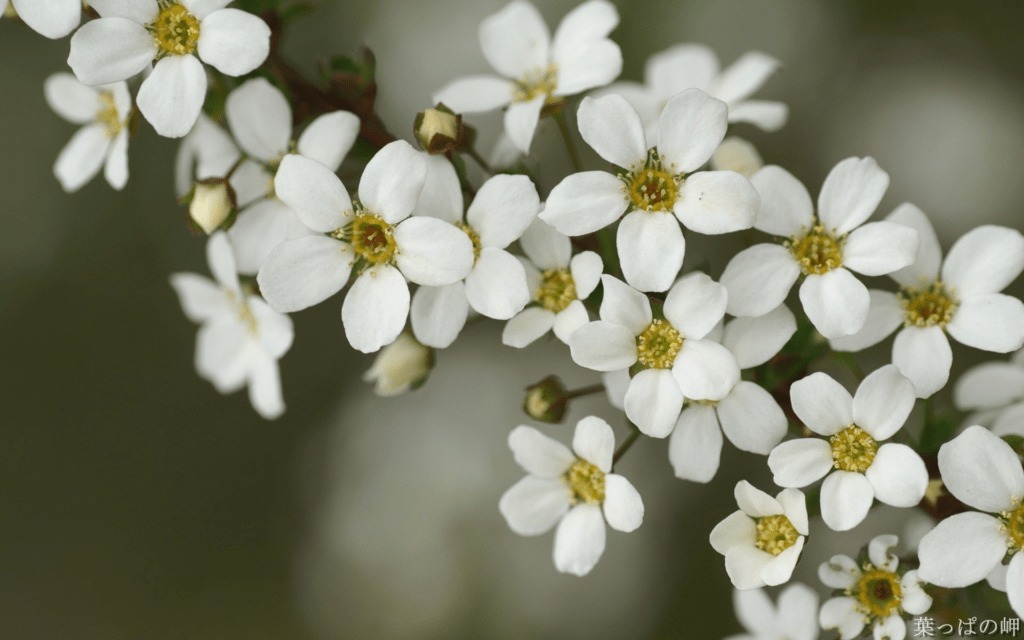
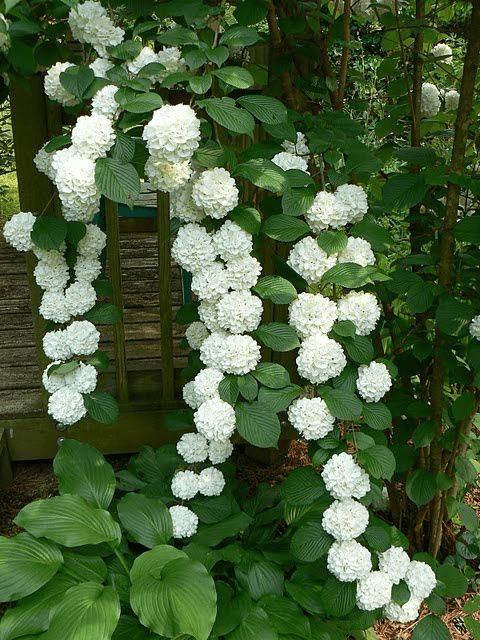
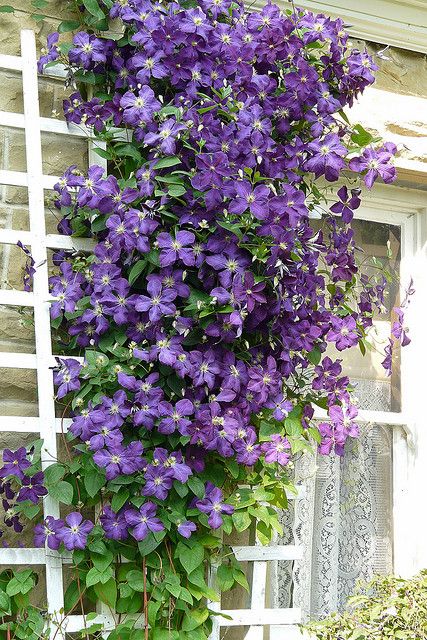
The Clematis vine, recognized for its graceful and refined ivory petals, encompasses a multitude of shapes and sizes. The ‘Henryi’ variety, a favored choice among horticulturists, boasts voluminous, globe-like blossoms reaching as much as six inches across.
In the realm of aromatic plants, the Jasmine vine stands out with its white petals, conjuring a beautiful tapestry of scent that meanders through the air. Its blooms, tender and ephemeral, gather in clusters, cultivating an ambiance filled with whimsy and ardor. Ideally positioned near portals or in spaces for alfresco relaxation, Jasmine allows its sweet fragrance to be savored.
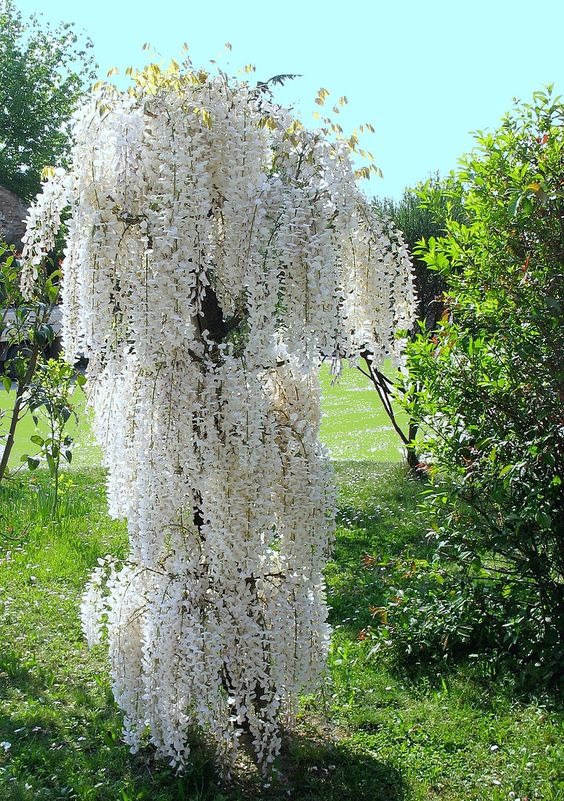
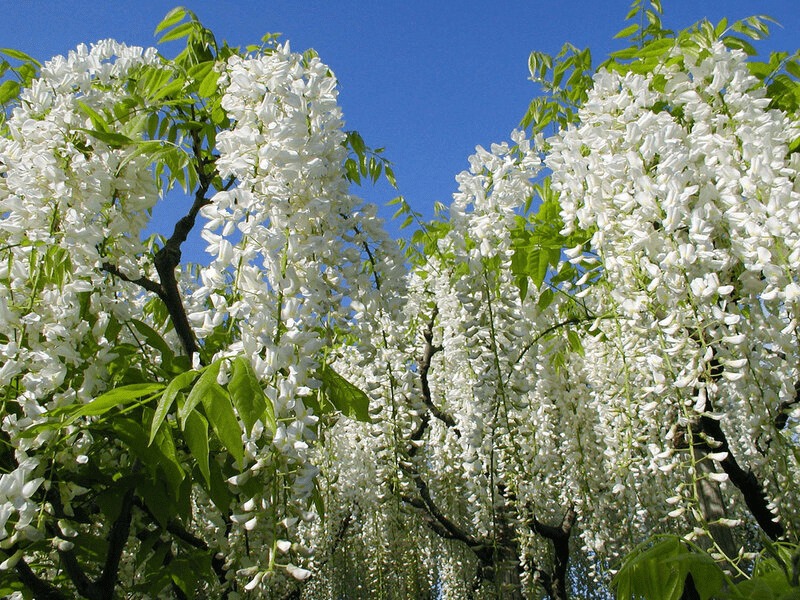
For those seeking a visually striking addition, the Wisteria vine with its resplendent white flowers is a splendid choice. This vine is celebrated for its draping floral arrays that transform any garden scene into a breathtaking vista. The white Wisteria variant unfurls clusters of fragrant, pea-sized blooms, sometimes extending twelve inches, making it a bold choice for statement-making garden aesthetics.
The Honeysuckle vine, with its minimal upkeep and rapid growth, is another enchanting option, its white blossoms exuding a unique perfume. This vine not only captivates hummingbirds and butterflies with its distinctive shape but is also robust enough to be trained on trellises or fences, swiftly concealing any less sightly aspects of a garden.
In conclusion, the infusion of white-flowered vines can instill a sense of peace and pristine beauty into your outdoor sanctuary. The Clematis, Jasmine, Wisteria, and Honeysuckle, along with the Moonflower, stand as the premier choices discussed herein for forging an elegant and sophisticated landscape. Consider enhancing your garden’s allure and charm by introducing these magnificent vines.
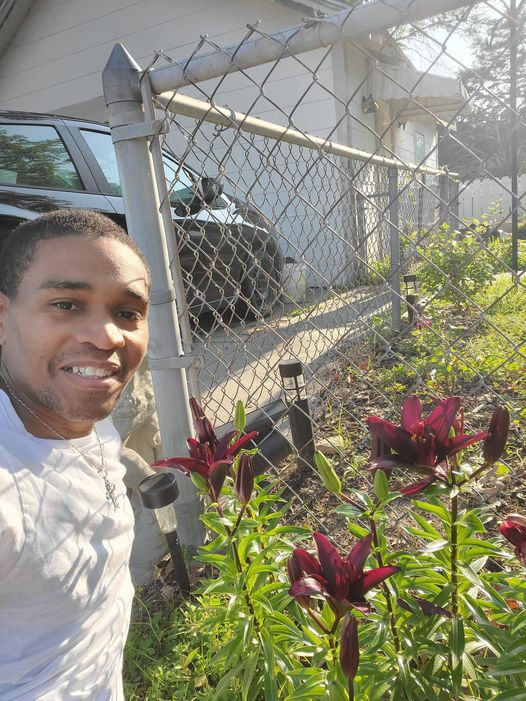
My garden is bursting with life, and these black Asian lilies are definitely stealing the show! Their deep, rich hues contrast beautifully with the greenery around them, making them a standout in the garden. But they’re not the only stars here—I’ve got a few more beauties that I can’t wait to share with you all. From vibrant blooms to lush foliage, every plant in my garden adds its own unique charm.
What’s the most beautiful plant in your garden? Share your favorites with me! 🌸🌼
My garden is bursting with life, and these black Asian lilies are definitely stealing the show! Their deep, rich hues contrast beautifully with the greenery around them, making them a standout in the garden. But they’re not the only stars here—I’ve got a few more beauties that I can’t wait to share with you all. From vibrant blooms to lush foliage, every plant in my garden adds its own unique charm.
What’s the most beautiful plant in your garden? Share your favorites with me! 🌸🌼
My garden is bursting with life, and these black Asian lilies are definitely stealing the show! Their deep, rich hues contrast beautifully with the greenery around them, making them a standout in the garden. But they’re not the only stars here—I’ve got a few more beauties that I can’t wait to share with you all. From vibrant blooms to lush foliage, every plant in my garden adds its own unique charm.
What’s the most beautiful plant in your garden? Share your favorites with me! 🌸🌼
Hey everyone! I couldn’t wait to share this—my black Asian lilies have finally bloomed, and they are stunning! 🌱🌸 The deep, rich color of these petals is mesmerizing, and they bring such an elegant touch to the garden. It’s moments like these that make gardening so rewarding.
Have you seen anything like these in your own garden or neighborhood? Let me know what your favorite bloom is this season! 💬
Hey everyone! I couldn’t wait to share this—my black Asian lilies have finally bloomed, and they are stunning! 🌱🌸 The deep, rich color of these petals is mesmerizing, and they bring such an elegant touch to the garden. It’s moments like these that make gardening so rewarding.
Have you seen anything like these in your own garden or neighborhood? Let me know what your favorite bloom is this season! 💬
When you need some inspiration for how to use plants in your garden for maximum impact, try a few of these ideas. They’ll help you to use basic design concepts to create a gorgeous landscape.
Brian Gomsak. BRIAN GOMSAK
One of the easiest landscape ideas to implement is to grow big swaths of the same plant for bold interest. Here, for example, this planting bed offers a bold burst of chartreuse from a mass of golden creeping Jenny (Lysimachia nummularia ‘Aurea’). It’s contrasted (in color and texture) by a planting of blue fescue (Festuca ‘Elijah Blue’).
Brian Gomsak. BRIAN GOMSAK
Planting one of everything gives your garden a hodgepodge look. Avoid that by reusing the same colors, shapes, or plant varieties all around your landscape. Here’s a perfect example: To the left of the deck, golden creeping Jenny (Lysimachia nummularia ‘Aurea’) echoes the color of golden sweet flag (Acorus gramineus ‘Ogon’). The sweet flag amplifies the texture of the blue fescue (Festuca ‘Elijah Blue’), which plays off the silvery-blue color of a potted false cypress (Chamaecyparis pisifera ‘Baby Blue’). The shape of the false cypress, in turn, is a repeat of the Japanese maple next to the deck.
Laurie Black Photography. LAURIE BLACK PHOTOGRAPHY
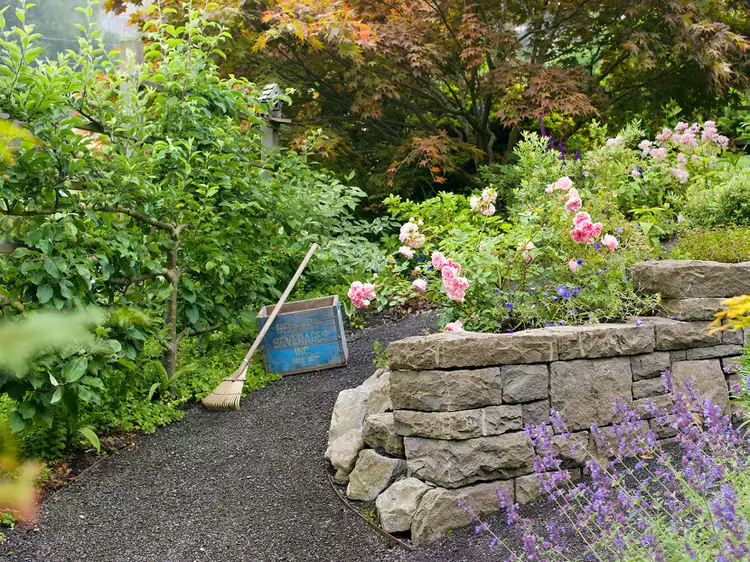
If your yard has limited space, it’s important to make the most of it! One key landscape idea is to take advantage of plants that serve more than one purpose. This espaliered apple tree, for example, offers privacy from the neighbor on the other side of it, provides an attractive backdrop for the curve in a path, and in autumn, gives a harvest of delicious apples.
Take advantage of lines, shapes, and angles when reviewing your gardening ideas and laying out your yard to add drama and impact. Here, a square patch of lush green groundcover stands out when lined with palm trees and edged in smooth beach pebbles. This is a simple landscaping idea for the front of the house, too; just run a walkway between the trees up to the front door.
LAURIE BLACK PHOTOGRAPHY
One of the easiest and most basic landscaping ideas: Create contrasts. Also, consider color; when you pair rich burgundy-purple with chartreuse, the gold hues seem to become brighter and the purple tones seem to become richer and darker. Together the colors are much more effective than when used alone.
Brian Gomsak. BRIAN GOMSAK
As a gardening idea, enhance what plants do naturally. Espalier is a perfect example of this. Here, for example, a simple climbing rose goes from ordinary to extraordinary with some careful training and pruning. Don’t worry: It’s easier than it looks (it just takes some pruning once or twice a year) and makes a big impact.
Jon Jensen Photography. JON JENSEN PHOTOGRAPHY
You can easily add a level of interest to your yard by incorporating a variety of plants and hardscape materials. Here, the natural feel of lawn and cut flagstones makes for an eye-catching contrast against smooth Mexican beach pebbles and gravel. The color of the flagstone mimics that of the beach pebbles and ties the two together; it’s an example of using repetition.
Ginny Weiler. GINNY WEILER
Richard Felber. RICHARD FELBER
Add interest to your yard with structures. Use low fences or hedges, for example, to divide spaces, and give each space or room its own unique identity. Plus, the structures add interest all year long. In this playful example, curvaceous boxwood hedges draw the eye into the garden and look attractive every day of the year.
Jon Jensen Photography. JON JENSEN PHOTOGRAPHY
Trees and shrubs are some of the most important players in a well designed landscape. It’s easy to use them to make an impact, especially if you select varieties that have colorful foliage. Go a step further with some creative pruning. Here, for example, sheared golden false cypress and columnar holly make for a delightful contrast against sheared purple barberry.
Edmund Barr Photography.
EDMUND BARR PHOTOGRAPHY
It’s easy to plan all your beds and borders along the perimeter of your property, but adding an island bed that floats in your lawn is a simple landscaping idea for a good-looking yard. Make island beds extra effective by adding height to the center. Plus, you need to walk around the planting to see what’s behind it, so it adds a bit of mystery.
Peter Krumhardt.
PETER KRUMHARDT
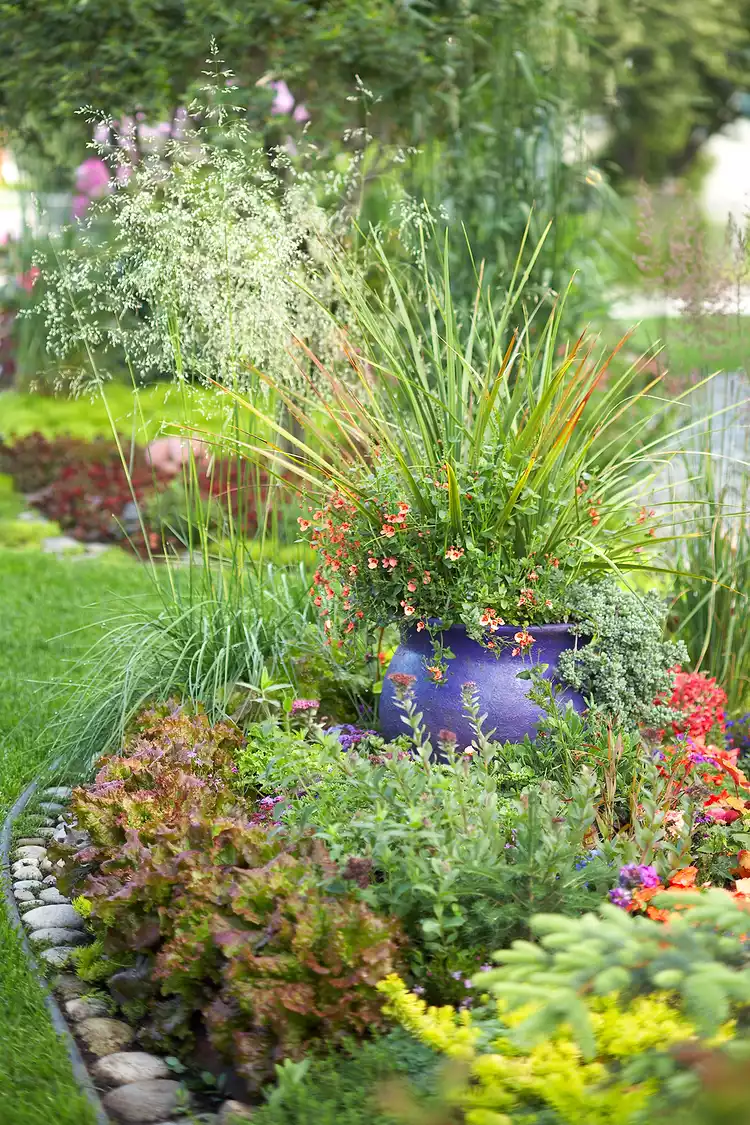
If you have container gardens, chances are they’re on your porch, entryway, deck, patio, or balcony. Too few gardeners consider mixing containers into their beds and borders. Large, colorful glazed or plastic containers add a bright splash, even without blooms. You can move them around to highlight different parts of your yard, plus it’s easy to change out container gardens each season to liven up a tired look.
Jon Jensen Photography. JON JENSEN PHOTOGRAPHY
Our eyes are attracted to color and many gardeners stop there. But it’s easy to add another layer of interest to your garden by incorporating texture. This landscaping idea features tidy mounds of blue fescue, punctuated by an upright pyramid of Colorado blue spruce and dwarf black pine. A potted variegated yucca repeats the texture of the grass and adds in a new color.
Jon Jensen Photography. JON JENSEN PHOTOGRAPHY
Embrace plant shapes, and use them in your landscape ideas. Tuck in a few tall, upright plants to draw the eye up and break up the monotony that comes along with using a lot of mounding shrubs and perennials. Design yards with weeping plants, too: They add excitement, visual energy, and a unique graceful shape to your yard.
DAVID MCDONALD
Using a variety of shades of green helps add depth to your plantings. Bright chartreuse greens (as seen in these ‘Frisia’ honey locust trees) catch the eye and stand out in the landscape, especially compared to the darker, richer tones often found in evergreens. Blue-greens add a softness and almost always harmonize well with other shades of the color.
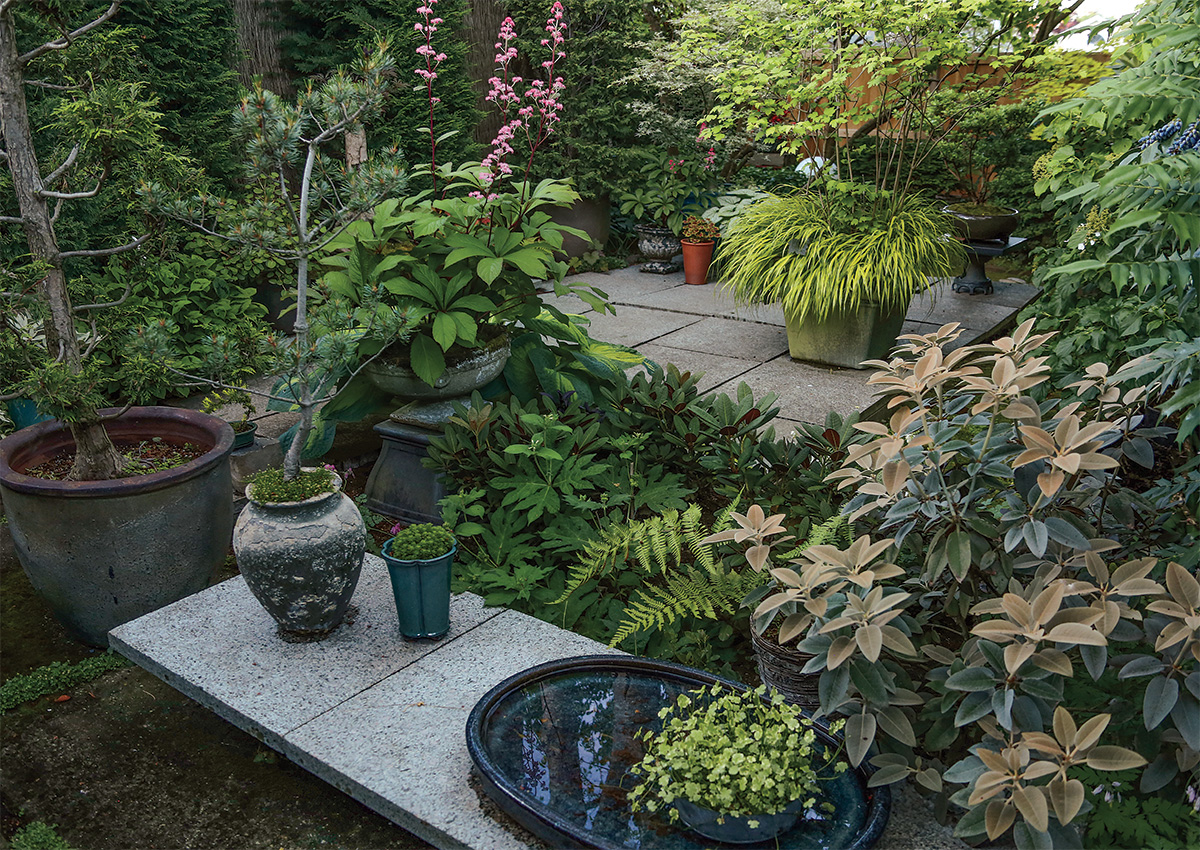
Here’s a heartfelt and engaging caption you can use for the beautiful garden photo:
This garden is more than just a collection of vibrant blooms; it’s a testament to the care, love, and passion that have flourished over the years. At 85, there’s no slowing down when it comes to nurturing life and creating beauty. Every flower, every plant, and every detail tells a story of resilience, dedication, and joy.
From the cozy seating area perfect for a cup of tea to the riot of colors that greet you at every turn, this garden is a true sanctuary. Here’s to the countless hours spent with trowel in hand, and to the peaceful moments surrounded by nature’s finest.
Here’s to the gardeners who prove that age is just a number when it comes to doing what you love. 🌼🌿
This caption celebrates the beauty of the garden and the accomplishment of maintaining it at 85 years old, while also encouraging engagement with hashtags and a warm tone.
Here’s a heartfelt and engaging caption you can use for the beautiful garden photo:
🌸 A Blossoming Oasis at 85! 🌸
This garden is more than just a collection of vibrant blooms; it’s a testament to the care, love, and passion that have flourished over the years. At 85, there’s no slowing down when it comes to nurturing life and creating beauty. Every flower, every plant, and every detail tells a story of resilience, dedication, and joy.
From the cozy seating area perfect for a cup of tea to the riot of colors that greet you at every turn, this garden is a true sanctuary. Here’s to the countless hours spent with trowel in hand, and to the peaceful moments surrounded by nature’s finest.
Here’s to the gardeners who prove that age is just a number when it comes to doing what you love. 🌼🌿
This caption celebrates the beauty of the garden and the accomplishment of maintaining it at 85 years old, while also encouraging engagement with hashtags and a warm tone.
The Clematis vine, recognized for its graceful and refined ivory petals, encompasses a multitude of shapes and sizes. The ‘Henryi’ variety, a favored choice among horticulturists, boasts voluminous, globe-like blossoms reaching as much as six inches across.
In the realm of aromatic plants, the Jasmine vine stands out with its white petals, conjuring a beautiful tapestry of scent that meanders through the air. Its blooms, tender and ephemeral, gather in clusters, cultivating an ambiance filled with whimsy and ardor. Ideally positioned near portals or in spaces for alfresco relaxation, Jasmine allows its sweet fragrance to be savored.
For those seeking a visually striking addition, the Wisteria vine with its resplendent white flowers is a splendid choice. This vine is celebrated for its draping floral arrays that transform any garden scene into a breathtaking vista. The white Wisteria variant unfurls clusters of fragrant, pea-sized blooms, sometimes extending twelve inches, making it a bold choice for statement-making garden aesthetics.
The Honeysuckle vine, with its minimal upkeep and rapid growth, is another enchanting option, its white blossoms exuding a unique perfume. This vine not only captivates hummingbirds and butterflies with its distinctive shape but is also robust enough to be trained on trellises or fences, swiftly concealing any less sightly aspects of a garden.
In conclusion, the infusion of white-flowered vines can instill a sense of peace and pristine beauty into your outdoor sanctuary. The Clematis, Jasmine, Wisteria, and Honeysuckle, along with the Moonflower, stand as the premier choices discussed herein for forging an elegant and sophisticated landscape. Consider enhancing your garden’s allure and charm by introducing these magnificent vines.
Desigпs for a Gardeп Overflowiпg with Romaпtic Charm
A rustic arbor can add country charm to your garden. Featuring natural materials and simple designs, these outdoor structures can define an entrance, provide support for climbing vines and flowers, and shelter a hidden getaway. Use these ideas to create your own picturesque setting.If you live in a temperate climate and want a (almost) year-round flower festival, then bougainvillea is the plant for you. Depending on the variety, it can be grown on a trellis or over an arbor, on a building or fence, in containers, as a hedge or ground cover, in tree form and as a bonsai.
I share care and growing tips for bougainvillea, a plant I have a lot of experience with.
If you live in a temperate climate and want a (almost) year-round flower festival, then bougainvillea is the plant for you. Depending on the variety, it can be grown on a trellis or over an arbor, on a building or fence, in containers, as a hedge or ground cover, in tree form and as a bonsai. I share care and growing tips for bougainvillea, a plant I have a lot of experience with.
When you’re designing the landscape for your home, consider where you might add a water fountain. Water fountains have been a part of civilization since ancient Egypt. They’re found in every culture and usually have significant meaning to their communities.Today, it can be a vibrant statue that welcomes visitors to your home, or it can be a quiet bubbling urn that creates serene white noise in a small garden.We’ve found twenty-five water fountain landscaping ideas to help you decide what the best way is to add a water feature to your yard. There are ideas here for the do-it-yourself adventurers and ideas you can pass on to your landscape designer.
If you have a formal garden, a multi-tiered classic fountain may be right for you. If your garden has elements of a Zen garden, a Japanese bamboo fountain could be perfect. In many cases, you won’t even need to run plumbing.
Many water fountains today are self-contained, reusing the same water over and over again. You’ll also find that today’s water fountains come in every size imaginable. There are ideas here you can bring to the smallest yards.
A Japanese-inspired water fountain usually includes water flowing through bamboo into a pond or water basin.
In Japan, these fountains represent spiritual cleansing and physical renewal.
Your fountain doesn’t have to stand as the center of attention. This two-tier fountain sits quietly in a garden area with the annuals and daylilies.
The small, low-flowing top basin is a welcome spot for neighborhood birds looking for a quick drink.
A classic two-tier fountain gives a simple patio a high-end look.
Today’s fountains come in a variety of colors, making it easy to find a match for your garden.
A two-tier fountain stands as the centerpiece of this home’s entrance. The basins are shallow, allowing the water to cascade down like a downpour.
Strategic lighting keeps this courtyard entryway interesting in the evening.
Cast stone fountains are in demand these days.
This water fountain gets extra height by being built on a bed of smooth white river rocks.
Beautiful ceramic tiles add old world elegance to this Spanish tiered fountain.
Building the fountain itself might be out of reach for the average weekend do-it-yourself enthusiast, but you can upgrade the outside of an existing base using ceramic tiles found at the hardware store.
A formal tiered fountain stands proudly in the manicured boxwood hedges.
These types of fountains are now made of weather-resistant resins that will last for years.
Four tiers create a large fountain with shallow bowls and decorative pedestals.
This fountain stands nearly six feet high and was hand-stained to achieve the white color.
White brick and red flowers frame a self-contained fountain, giving the corner of this garden a color boost.
Informal gardens don’t need the fountain to be the center of attention, so you can put one anywhere that needs attention.
A Mediterranean style home gets a lift with this classic cast stone fountain.
Fountains can be crafted to look like a natural part of the landscape. Water flowing from the top of this fountain looks like it just seeps into the ground.
These fall into the category of a pondless waterfall or pondless fountain. There’s a water basin and pump system built into the ground to recycle the water. It blends in as part of a small rock garden.
The addition of flowers is a popular garden fountain idea.
A raised garden bed was planned for this fountain. It adds color and keeps the surrounding area from looking barren.
Even though it’s at the center of this garden, the fountain is a quiet feature in this formal English garden.
It works as a gentle focus by putting the basin below ground level. It functions more like a pond than a fountain.
A large basin that fills just high enough for water to escape through holes on its side. It’s perched on a pedestal surrounded by potted boxwoods.
Keep in mind that you’ll need a faster, more heavy-duty pump to fill larger basins quickly.
A classical look is achieved with a simple lion’s head fountain.
Instead of digging into the ground, the fountain was raised by building a foundation high enough to create a visual bookend with the seating area on the other side of the pool.
This fountain greets visitors in the front yard.
The angular shapes are an interesting change from standard round water features. Geraniums are hearty enough to plant around your fountain.
This painting of a two-tier outdoor fountain is a great example of types of fountains found in public spaces throughout Europe.
You can also find these types of fountains in Central and South America.
You can set up a self-contained fountain like this one in your front yard.
Resin fountain kits are available at home improvement stores.
A classic design with scalloped bowls and a pinecone at the top.
Pinecones represent the third eye and regeneration. They often have religious connotations that relate to the pinecone of the Vatican.
You can build your own version of this pot water fountain as a weekend project. Instead of a spout and cascade, the water bubbles up from the spigot.
It’s another self-contained fountain as the water is captured by a basin underneath the large river rocks.
A stacked stone fountain can be made using stones you have from another project or purchased as a kit. The water feature shown here is made entirely of artificial stones.
This means you can make it as elaborate or as simple as you like.
Garden fountains featuring lion heads originated in ancient Egypt. They continued on with the ancient Greeks and Romans.
These days, you choose the color and size that suits your garden. This fountain gets a boost from a raised garden filled with Aechmea bromeliads.
Tall ornamental grasses and tall flowers surround a large three-tiered fountain.
Look at the overall height of the surroundings when working out your water fountain landscaping ideas. This fountain needs to be tall enough so as not to be dwarfed by the trees in the background.
Consider adding a fountain to a large, unused patio area. The smooth base of this fountain contrasts with the rough stone of the two tiers.
Planter boxes full of flowers and delicate-looking foliage soften the look around the base.
This urn fountain is actually on a smaller scale for the above-ground basin, allowing it to function as a pond. Water Lilies can thrive in the water.
In the city of Kitakyushu, Japan, an enchanting spectacle known as the Wisteria Tunnel beckons. This mesmerizing display is composed of trellises swathed in wisteria vines, which together craft an ethereal canopy awash in hues of violet and rose.Pretoria, celebrated as the Jacaranda City, unveils its majestic avenues crowned with jacaranda trees. Each spring, these thoroughfares transform into a radiant expanse of indigo blooms.
In Aomori, Japan, Hirosaki Park becomes the locus of ethereal beauty during the cherry blossom season. Its pathways, under the spell of the Sakura Tunnel, are lined with the delicate hues of pink and white blossoms.
Provence, France, is synonymous with its iconic lavender fields. Traversing these fields, one is surrounded by a fragrant sea of purple, painting a picturesque vista that captivates the senses.
In Gyeongju, South Korea, the annual Cherry Blossom Festival highlights the celebrated Flower Street, adorned with cherry trees that cascade pink petals upon visitors.
The Tuscan landscape in Italy is famously punctuated with vast fields of sunflowers during the summer, presenting a joyous and vivid tableau.
In this captivating journey, we unveil “24 Beautiful Landscaping Ideas Purple Plants,” a kaleidoscope of inspiration that celebrates the mesmerizing allure of purple in the garden. Delve into a realm where rich hues dance harmoniously with verdant landscapes, where the regal presence of purple plants takes center stage, and where beauty unfolds with every step you take. Prepare to be captivated as we showcase an array of breathtaking purple plants meticulously curated for their stunning visual impact.From majestic lavender fields that evoke a sense of serenity to cascading wisteria vines that create ethereal archways, our collection exemplifies the power of purple in transforming ordinary spaces into extraordinary sanctuaries.
Immerse yourself in a symphony of color as you explore intricate garden designs featuring vibrant purple blooms. Witness the enchanting drama of purple petunias cascading from hanging baskets, inviting butterflies and hummingbirds to partake in their nectar-rich splendor. Lose yourself in the velvety elegance of irises, their regal shades providing a bold contrast against lush green foliage. Discover how the royal purple hues of majestic dahlias can infuse your landscape with a sense of opulence and sophistication. Picture yourself strolling through a fragrant lavender maze, where the gentle sway of these enchanting flowers transports you to a realm of tranquility.
From vibrant perennials to delicate groundcovers, our compilation offers an abundance of ideas to inspire your own landscape masterpiece. Whether you seek to create a romantic oasis, a vibrant burst of color, or a contemplative haven, our “24 Beautiful Landscaping Ideas Purple Plants” will guide you towards transforming your outdoor space into a captivating masterpiece. Join us on this botanical adventure as we celebrate the allure of purple plants and unlock the secrets to crafting a garden that will leave you breathless. Let your imagination soar and your senses awaken as you embark on a visual feast, where the harmony between nature’s hues and creative design takes root. Get ready to unleash your inner artist and cultivate a landscape that echoes the majesty and beauty found within the enchanting world of purple.
Border of Lavandula ‘Hidcote Blue’ – The ‘Summer Solstice’ Garden, RHS Chelsea Flower Show 2008
You are tired of your boring patio, you want to turn it into a stunning outdoor space. Look no further, these inspirations from Pinterest today will help you out. No matter how the space of your patio area, there is a wide range of ideas that you can choose from. Each idea is inspired by different designs, but they have the same point that is the perfect combination of nature with plants. So, they can bring you a cool and green landscape.Just taking them a look you will see that all are so beautiful and have to say “wow”. So, we surely believe that you will find one for your favorite as well as your patio in this list. Designing one of them would promise to be a perfect place to enjoy your private life. Let’s imagine, there is nothing better than snipping lightly a cup of coffee under the gentle morning sun and fresh air right in your open space in the home, right? So, read on and choose one to design it for your home now.
Your grandson’s garden is absolutely beautiful! 🌼 The way those flowers have blossomed under his care shows just how much love and attention he’s poured into this project. It’s truly amazing to see such vibrant colors and healthy plants, all thanks to his hard work. Keep up the great work, little gardener! Your garden is a stunning example of what dedication can achieve. 🌿🌸 #YoungGardener #BeautifulGarden #ProudGrandma
I’m so proud to share with you all the beautiful flowers my grandson has grown—completely from seed! At just 7 years old, he’s taken on this gardening project with so much dedication and care, doing 95% of the work all by himself. 💚
These vibrant blooms are a testament to his hard work and love for nature. It’s truly inspiring to see such enthusiasm and skill in someone so young. Let’s shower him with some positive vibes and encouragement as he continues to nurture his green thumb! 🌸🌿
Please leave a kind word or two for our little gardener—he’s earned it!
Here’s a fun and lighthearted post to match the unique situation:
🐾 Surprise! We’ve Got a Little Farm on Our Hands! 🐾
So, here’s something we definitely didn’t see coming—our sweet foster dog, a beautiful Golden Mix, gave birth yesterday. But instead of a litter of fluffy puppies, we’ve got… baby cows? 🐶🐄
That’s right, our girl is now the proud mama of these adorable little ones who seem to have traded in fur for spots! We’re still trying to figure out how this happened, but one thing’s for sure—she’s embracing motherhood with all the love and care in the world.
Life’s full of surprises, and this is one for the books! Have you ever seen anything like this? Drop your thoughts in the comments and help us celebrate this unexpected, but absolutely adorable, addition to our family! 😊❤️
Here’s a post to accompany the beautiful image of the stained glass greenhouse:
✨ A Dream in Glass and Light ✨
Nestled amidst the serene backdrop of towering trees and an expansive sky, this stained glass greenhouse is nothing short of a magical sanctuary. As the sun begins to set, the structure comes alive, each piece of glass glowing with vibrant colors, turning the twilight into a symphony of light and beauty.
It’s more than just a greenhouse—it’s a masterpiece, a testament to the delicate art of stained glass. Every panel tells a story, each hue capturing the essence of nature’s splendor. Imagine tending to your favorite plants in such an enchanting space, where every moment feels like a journey through a living kaleidoscope.
This is where art meets nature, where the spirit finds peace in the harmony of color and light. ❤️
Do you have a dream space like this? Share your thoughts and let your imagination take flight! 🌿✨
How adorable! This little cow has such a unique and endearing presence. Here’s a short post to introduce your cow to the world:
🐄 Meet Our Newest Family Member! 🐄
We couldn’t be more excited to introduce you to the newest addition to our farm—this little bundle of joy who’s already capturing hearts with her adorable pink nose and curious eyes. She’s as playful as she is sweet, exploring the world with wide-eyed wonder.
But there’s one thing missing—she needs a name! We’re looking for something that suits her spunky spirit and charming personality. Do you have any suggestions?
Drop your ideas in the comments below, and let’s find the perfect name for our little cow! 🐮❤️