

Did you know that a well-designed garden can increase the value of a property by up to 20%? That’s right, investing in garden design and landscape architecture can have a significant impact on the overall appeal and value of your outdoor space. Whether you have a small courtyard or a sprawling backyard, understanding the fundamentals of garden design is essential for creating a beautiful and functional oasis. So, let’s explore the key principles of garden design, from outdoor space planning to plant selection, and discover how you can transform your garden into a true masterpiece.
Understanding Space in Garden Design
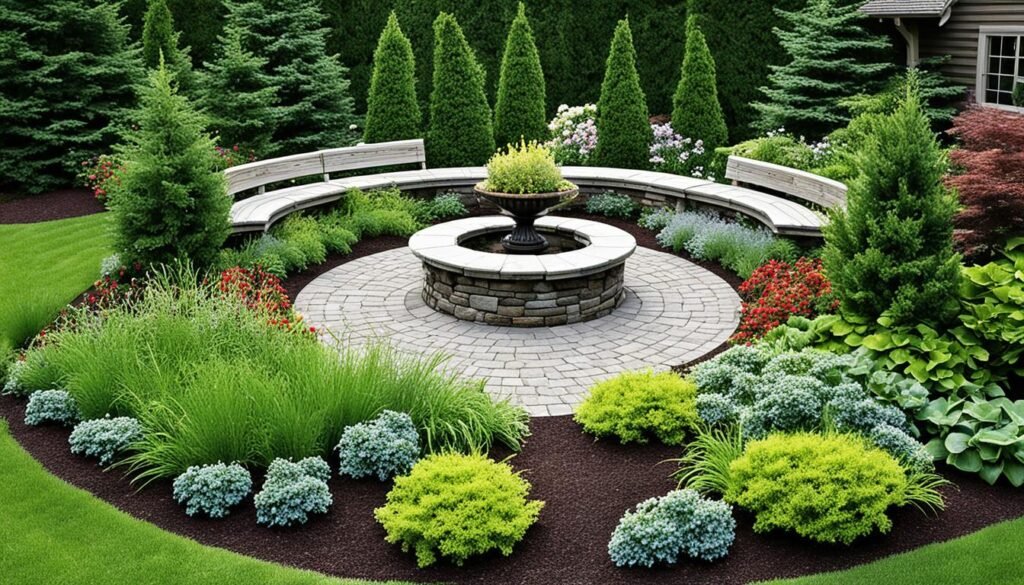
A key aspect of garden design is understanding space. When planning your outdoor area, it’s essential to consider the layout, dimensions, and how it will be used. Whether you have a large garden or a small balcony, maximizing the available space is crucial to creating a functional and aesthetically pleasing outdoor living environment.
Different zones or outdoor living spaces can be created within your garden to serve various purposes and activities. These spaces can include seating areas for relaxation or entertaining, dining areas for al fresco meals, or even play areas for children. By carefully planning the distribution of these spaces, you can ensure that your garden meets your lifestyle needs.
Additionally, selecting appropriate planting schemes can enhance the sense of depth and visual interest within the space. Consider incorporating different heights, textures, and colors in the plants you choose. Layering plants in a thoughtful way can create depth and make your garden more visually appealing.
When designing your outdoor living spaces, take into account factors such as sunlight exposure, wind patterns, and the natural features of your landscape. Understanding how these elements interact with your garden can help you make informed decisions about the placement of your outdoor living spaces and the selection of suitable plants.
By understanding space in garden design and creating functional outdoor living spaces, you can transform your garden into a beautiful and inviting sanctuary that reflects your personal style and enhances your overall well-being.
Design Principles for Garden Design
When it comes to garden design, understanding and applying design principles can make a significant difference in the overall look and feel of your outdoor space. These principles, such as significant enclosure, regulating lines, and the Golden Ratio, help create a well-designed and visually appealing garden.
Creating Significant Enclosure
Significant enclosure involves creating a sense of refuge and enclosure in your garden. This can be achieved by using elements such as hedges, fences, and trellises to define the boundaries and create a private and intimate atmosphere. Incorporating tall plants and trees can also help create a sense of enclosure and provide shade and privacy.
Using Regulating Lines
Regulating lines help connect and organize the design elements in your garden, creating a cohesive and harmonious layout. These lines act as visual guides and can be achieved through the placement of pathways, borders, and hardscape features. By following regulating lines, you can create a sense of flow and movement throughout your garden.
 100vw, 1024px” data-lazy-src=”https://apentlandgarden.com/wp-content/uploads/2024/04/image-10-1024×585.jpeg” /></figure>
<h3>Applying the Golden Ratio</h3>
<p>The Golden Ratio is a mathematical ratio of proportion that has been used in design and art for centuries. This ratio can be applied to garden design to achieve a pleasing sense of balance and order. You can incorporate the Golden Ratio by considering the proportions of different garden elements, such as the size and placement of focal points, seating areas, and plant beds.</p>
<p>By understanding and applying these design principles in your garden planning, you can create a space that is not only aesthetically pleasing but also functional and enjoyable. Whether you’re starting from scratch or renovating an existing garden, these principles will help you achieve a well-designed outdoor space that you can truly call your own.</p>
<div>
<p><img decoding=) aphids, snails, and slugs. Use appropriate pest control methods, such as natural predators or organic pesticides, to protect your plants from infestations.
aphids, snails, and slugs. Use appropriate pest control methods, such as natural predators or organic pesticides, to protect your plants from infestations.
By incorporating these garden maintenance practices into your routine, you can ensure the beauty and vitality of your garden throughout the seasons. Regular watering, pruning, fertilizing, weed control, and pest management will help you create an outdoor space that brings joy and tranquility to your life.
Conclusion
Garden design is a fascinating and intricate process that combines knowledge of space, design principles, plant selection, and overall maintenance. By following these fundamental steps, you can create a garden that not only enhances the aesthetic appeal of your outdoor space but also brings tranquility and joy to your life.
Through careful planning and consideration, you can transform your garden into a beautiful and functional oasis. Selecting appropriate plants and materials, incorporating hard landscaping features, and adding the perfect garden accessories will help create a cohesive and harmonious design.
However, the journey doesn’t end with the initial design. Garden renovation and maintenance are essential to keeping your outdoor space fresh and vibrant. Regular watering, pruning, and assessing the overall condition of your garden will ensure its longevity and health.
So, whether you’re starting a new garden or renovating an existing one, remember to embrace the fundamentals of garden design, keeping in mind the importance of garden renovation and maintenance. With dedication and love for your garden, you can create a space that truly reflects your style and brings you joy for years to come.